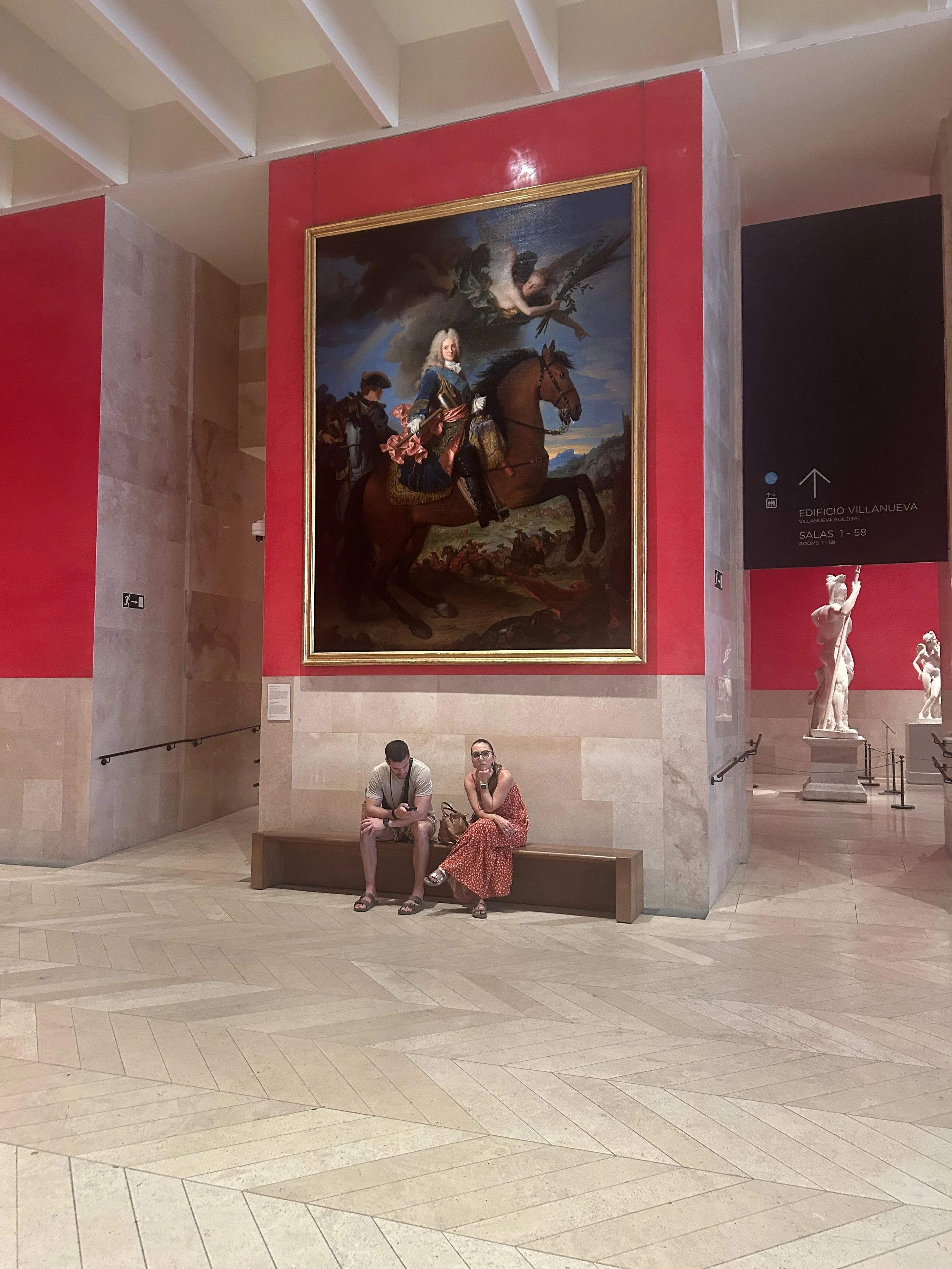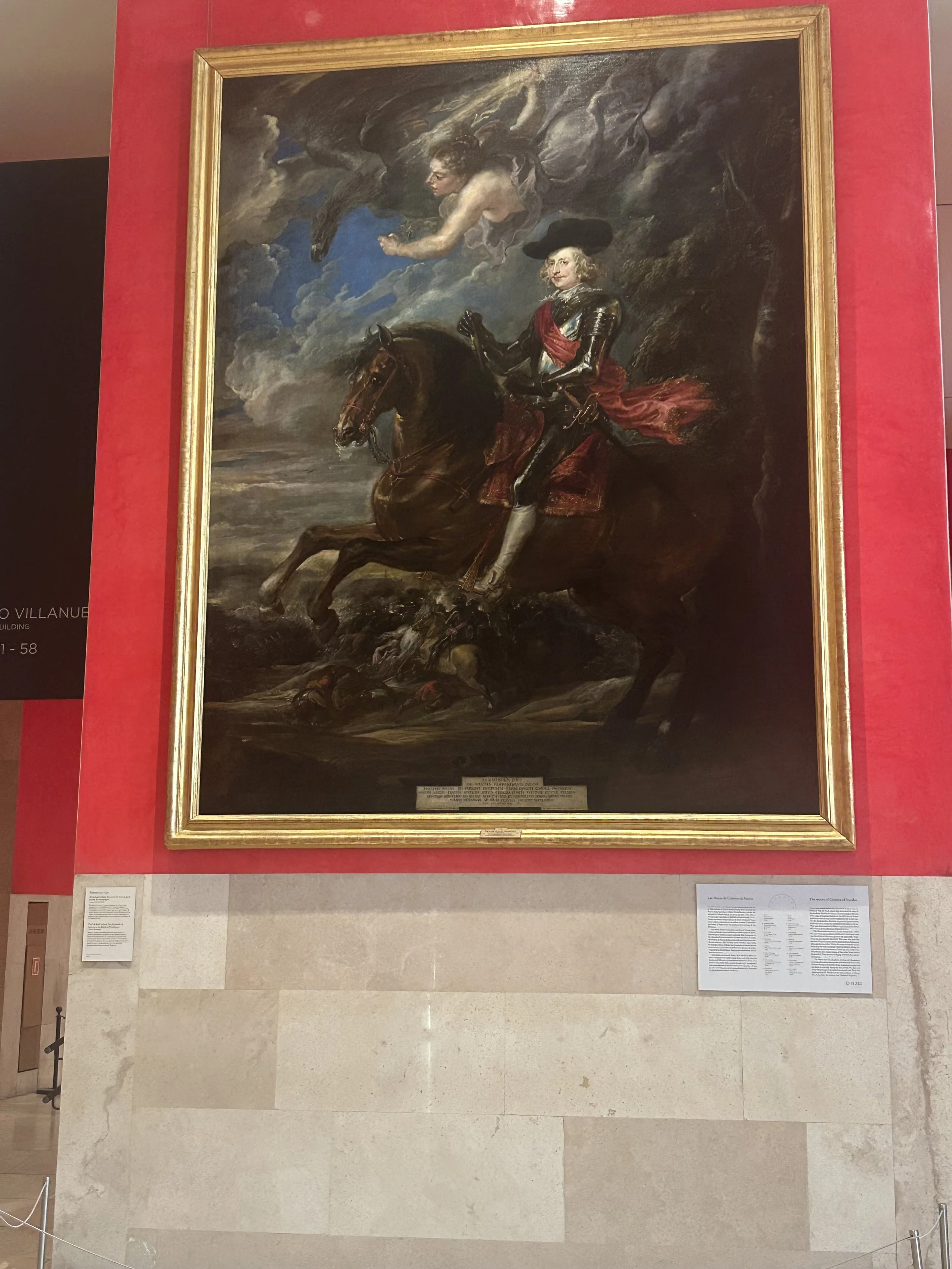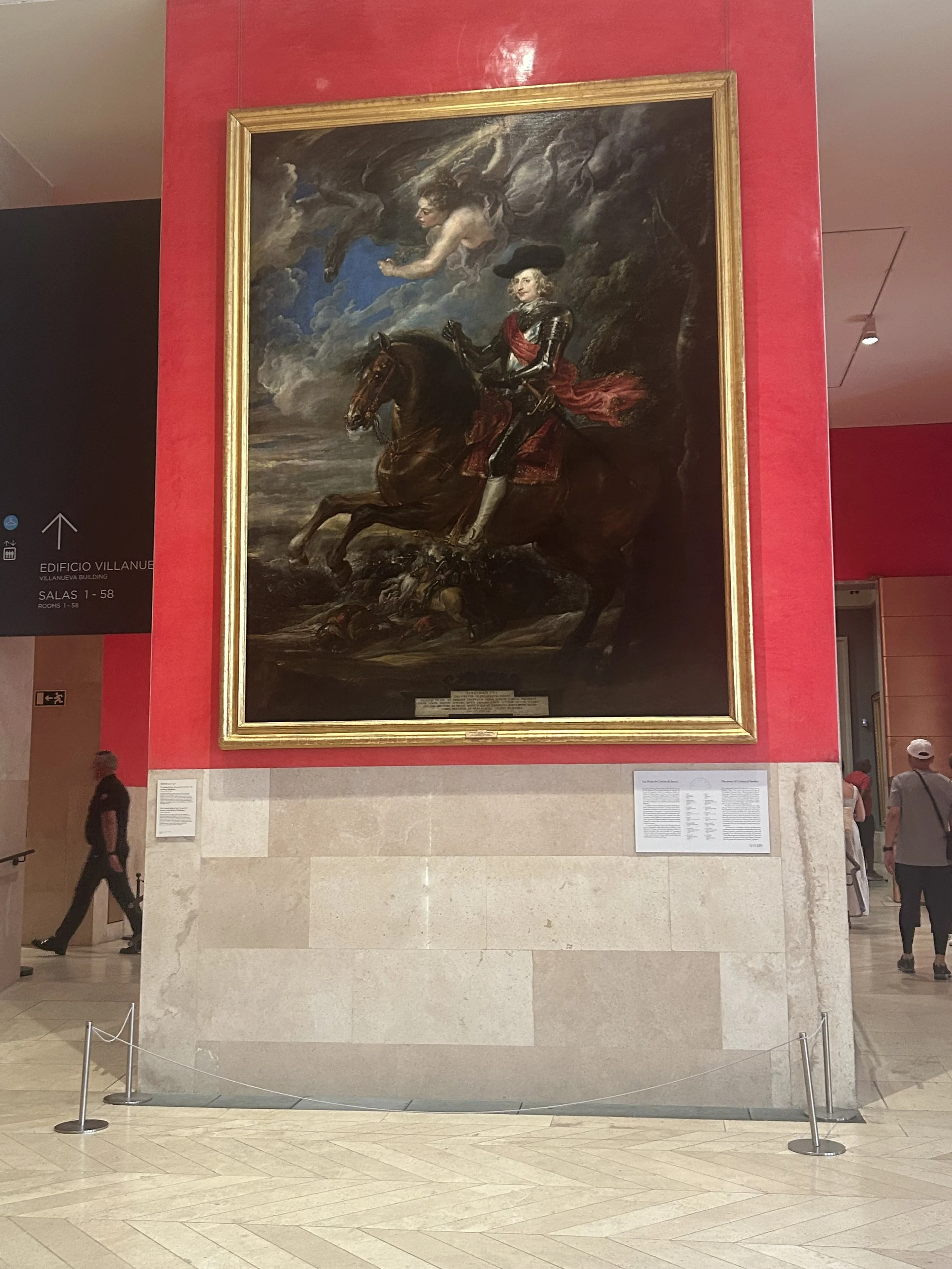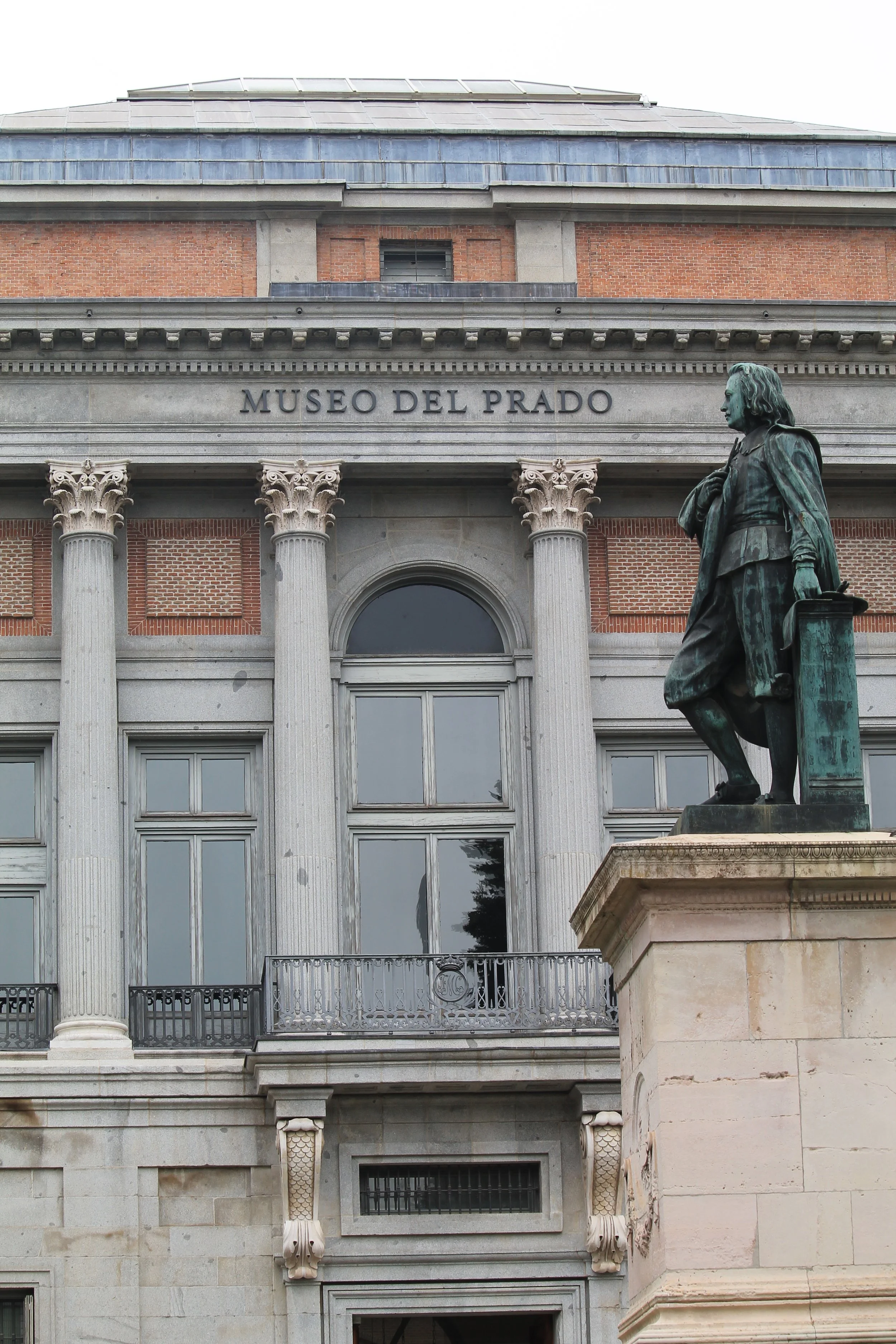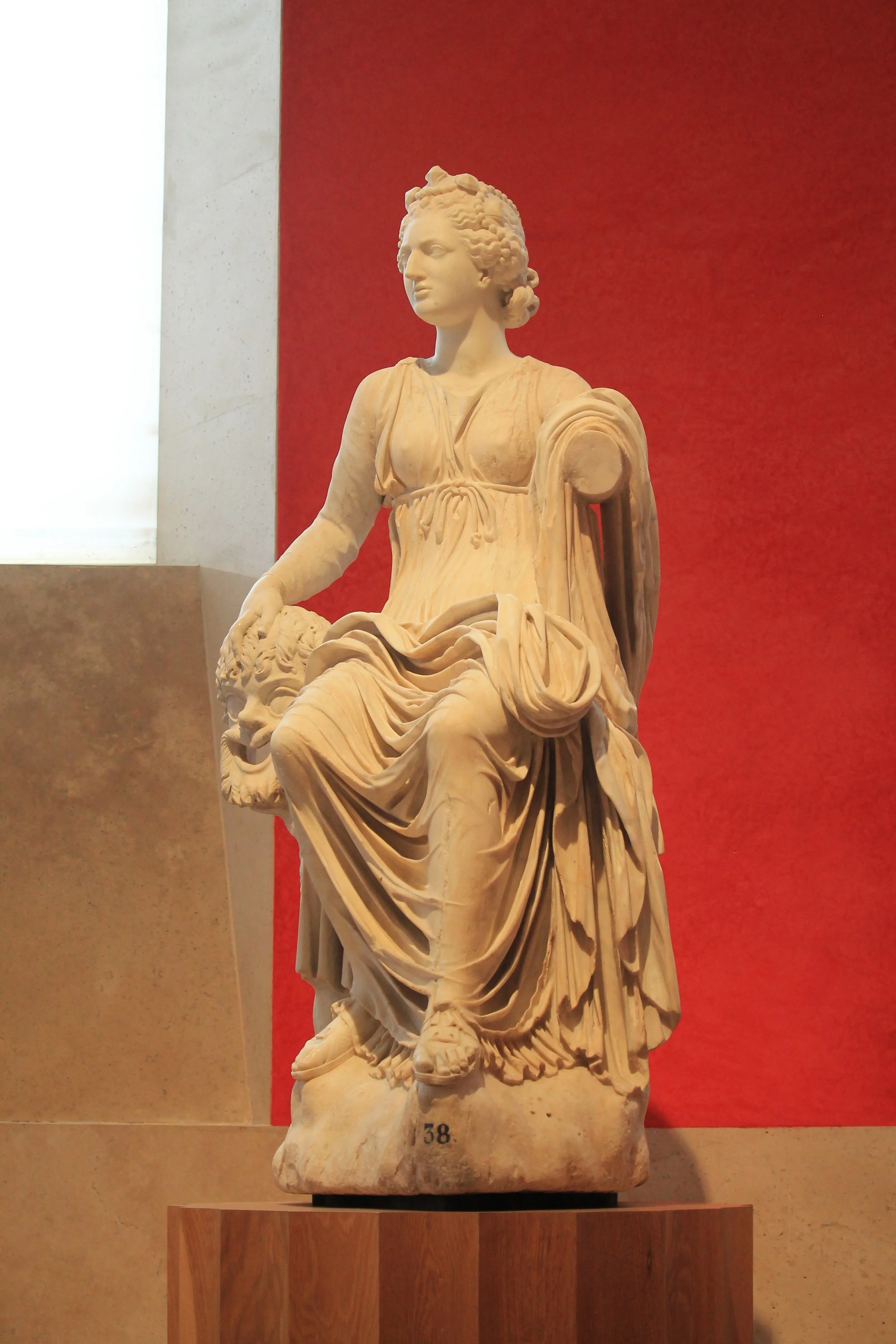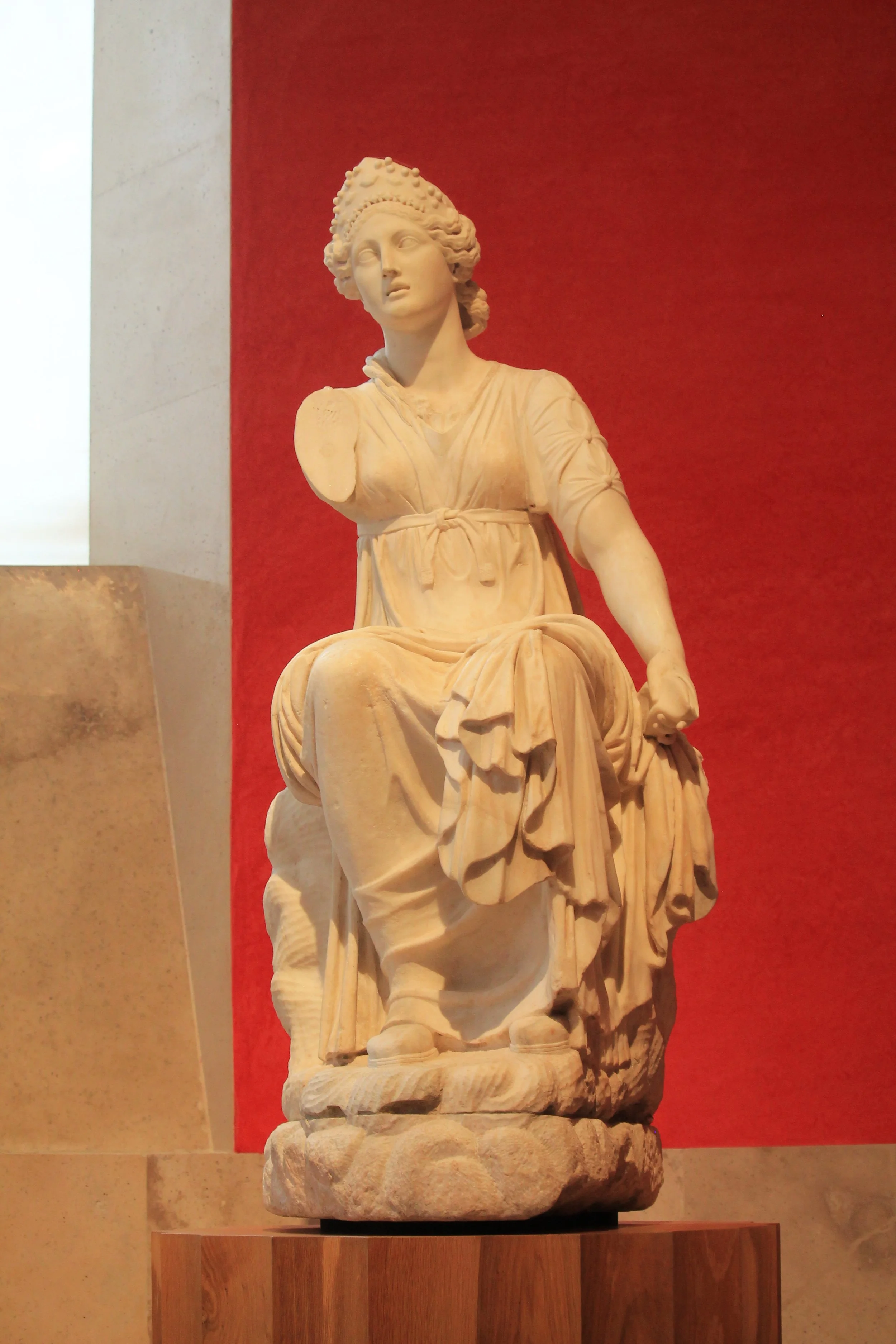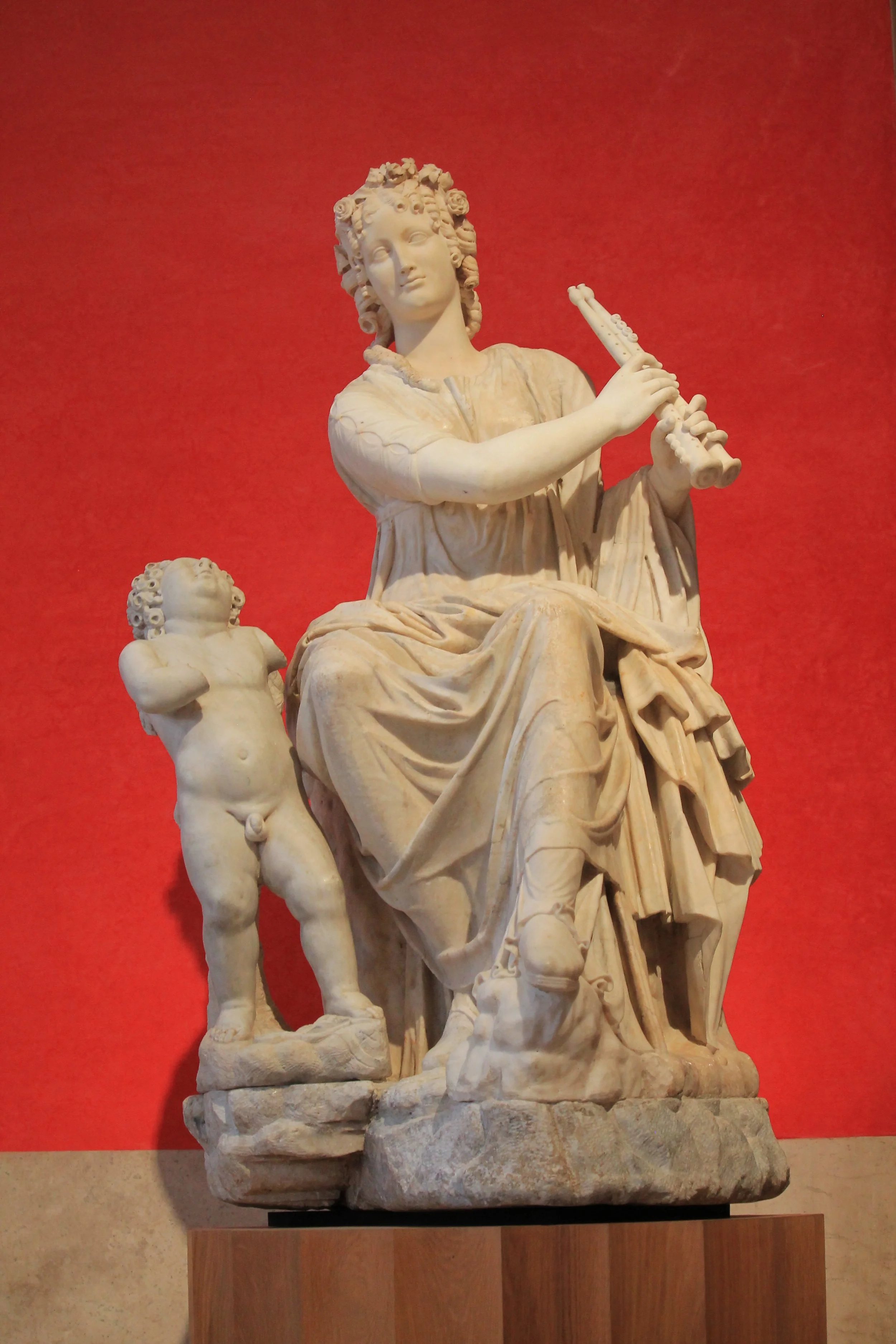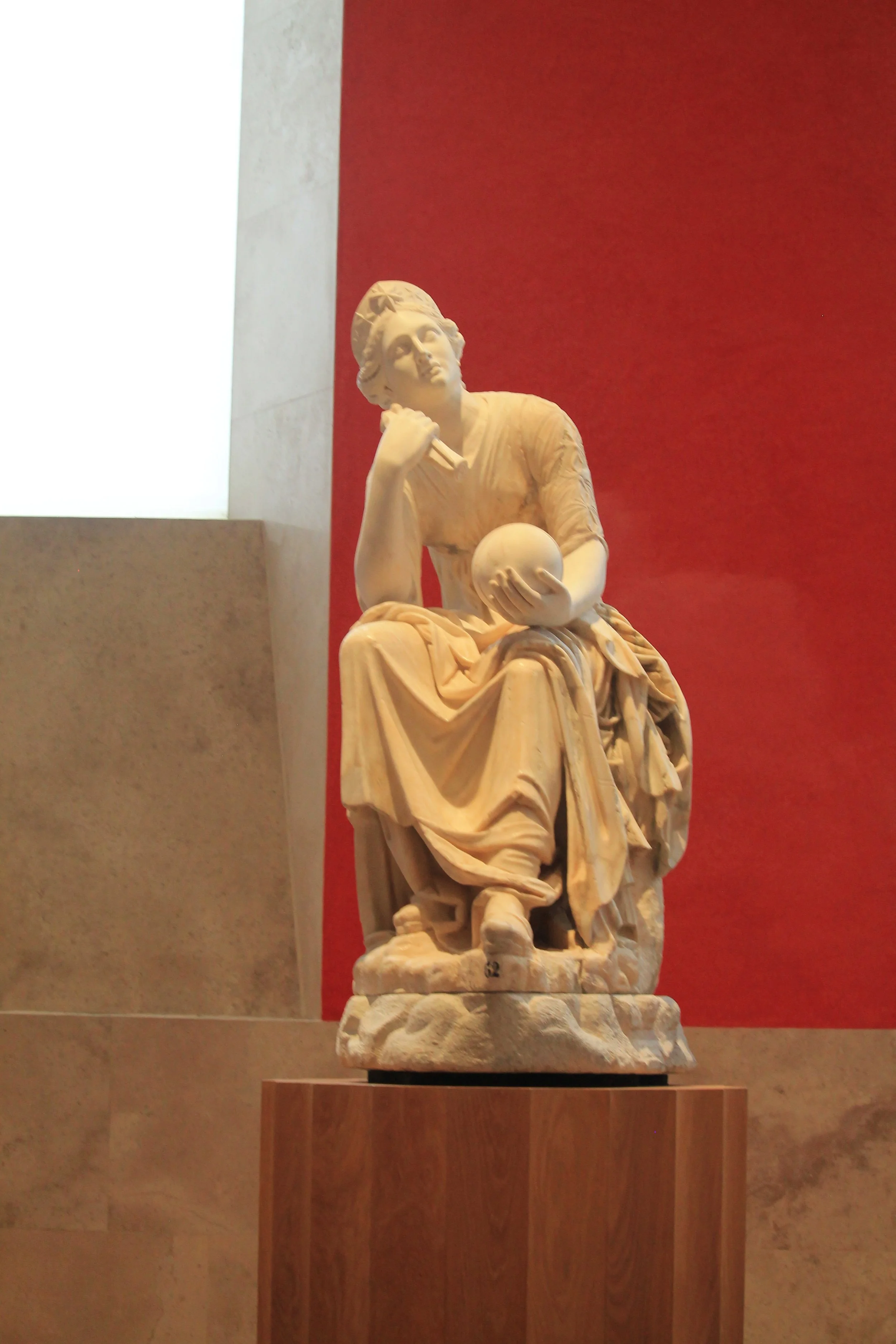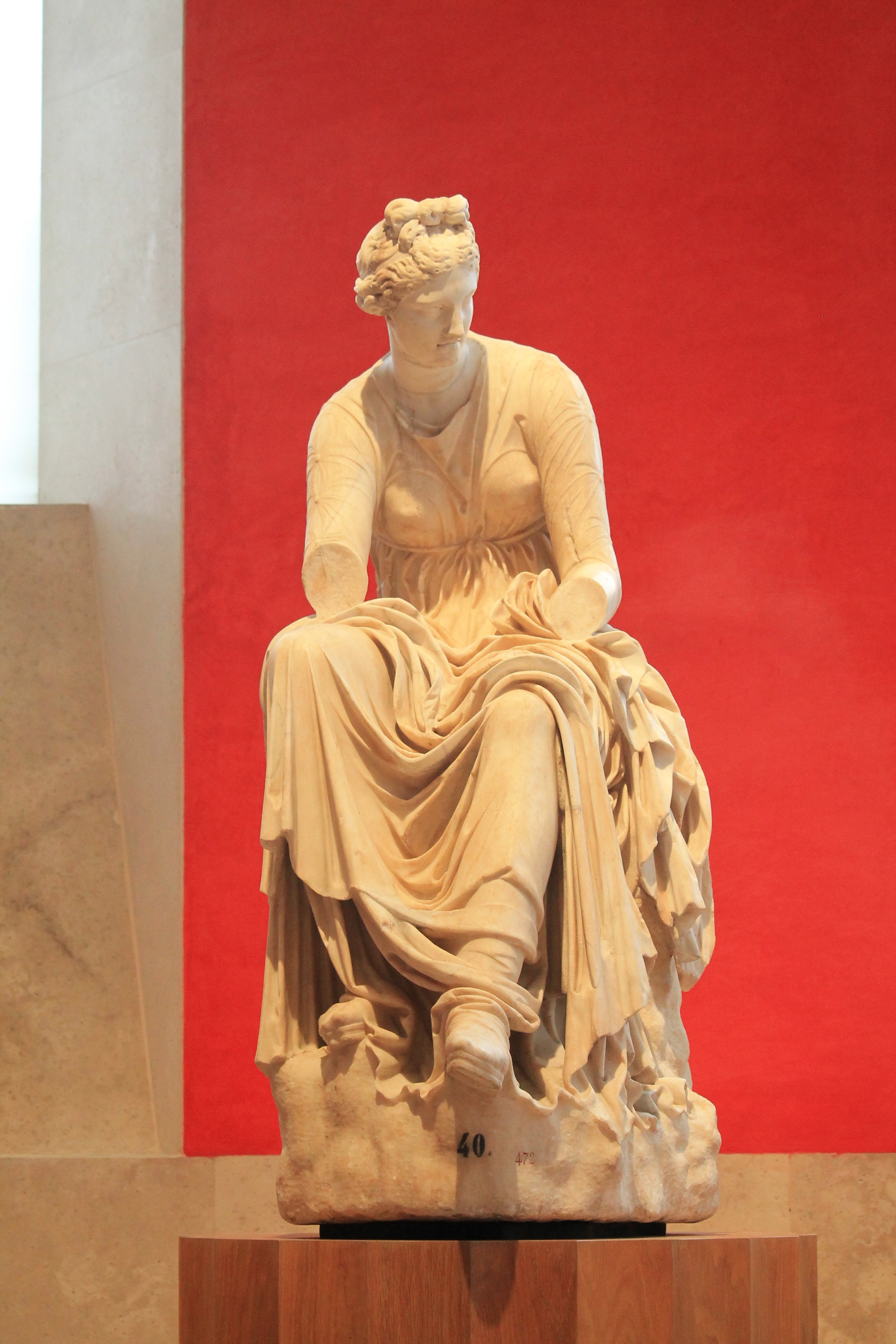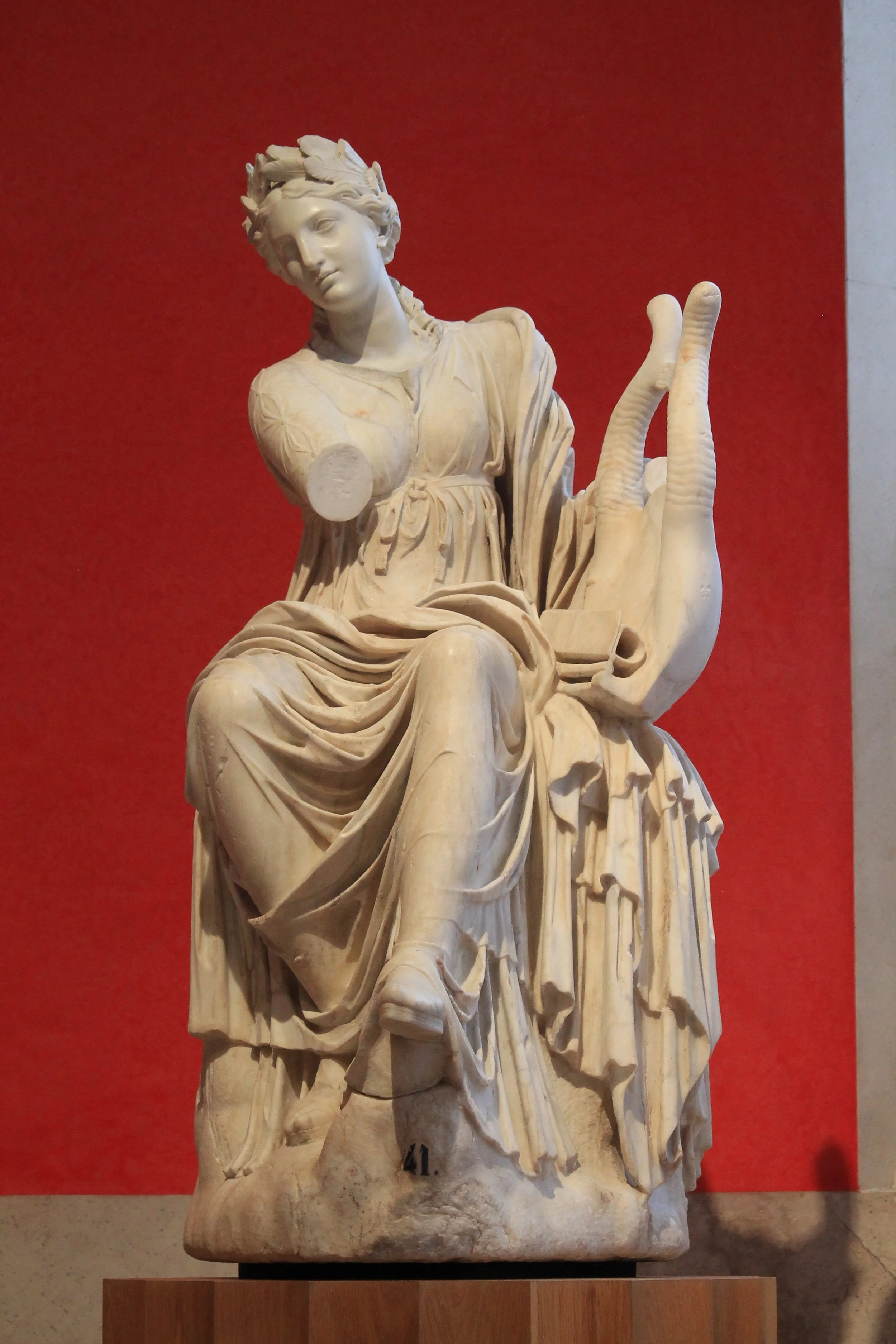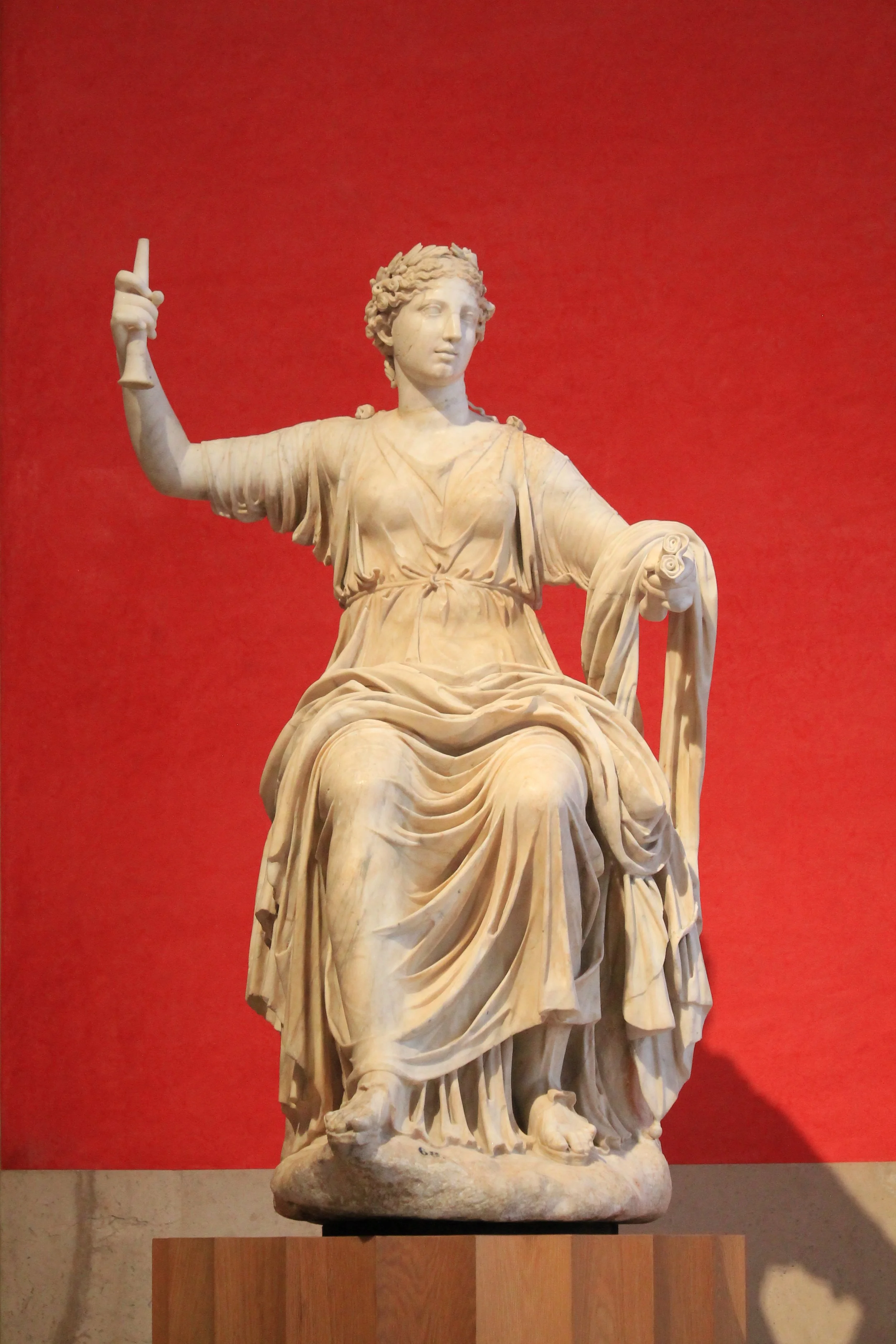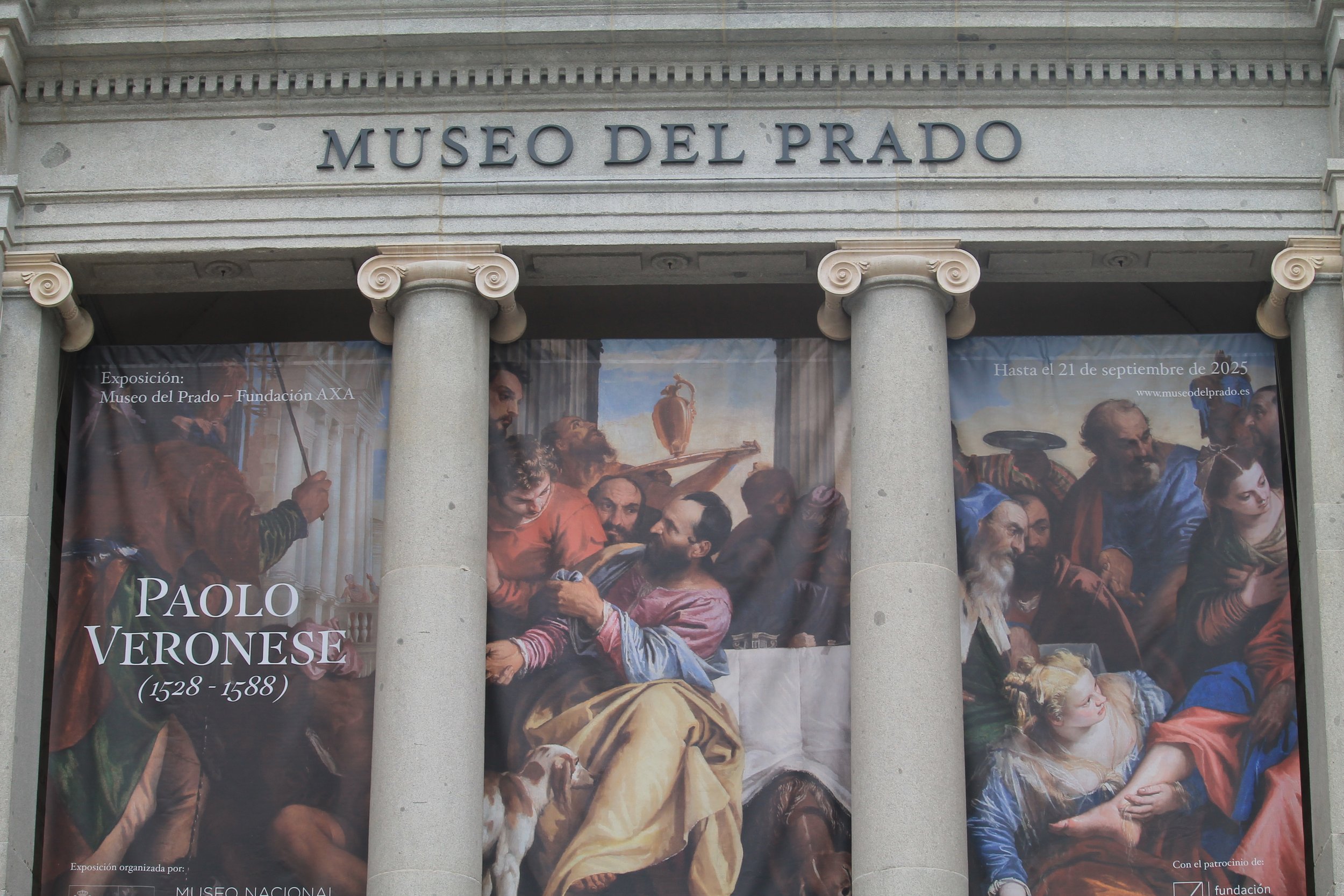
MUSEO DEL PRADO, MADRID, SPAIN.
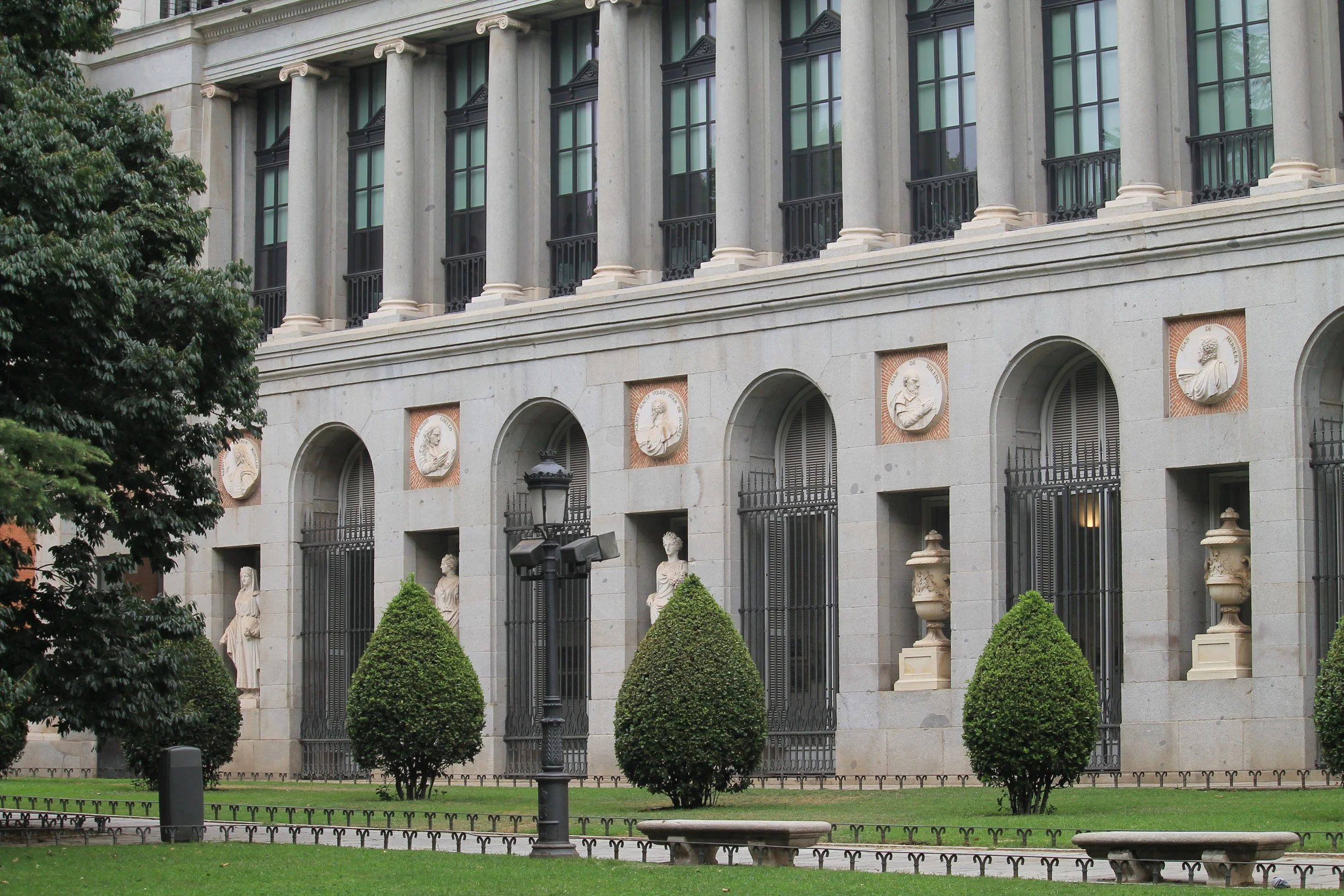
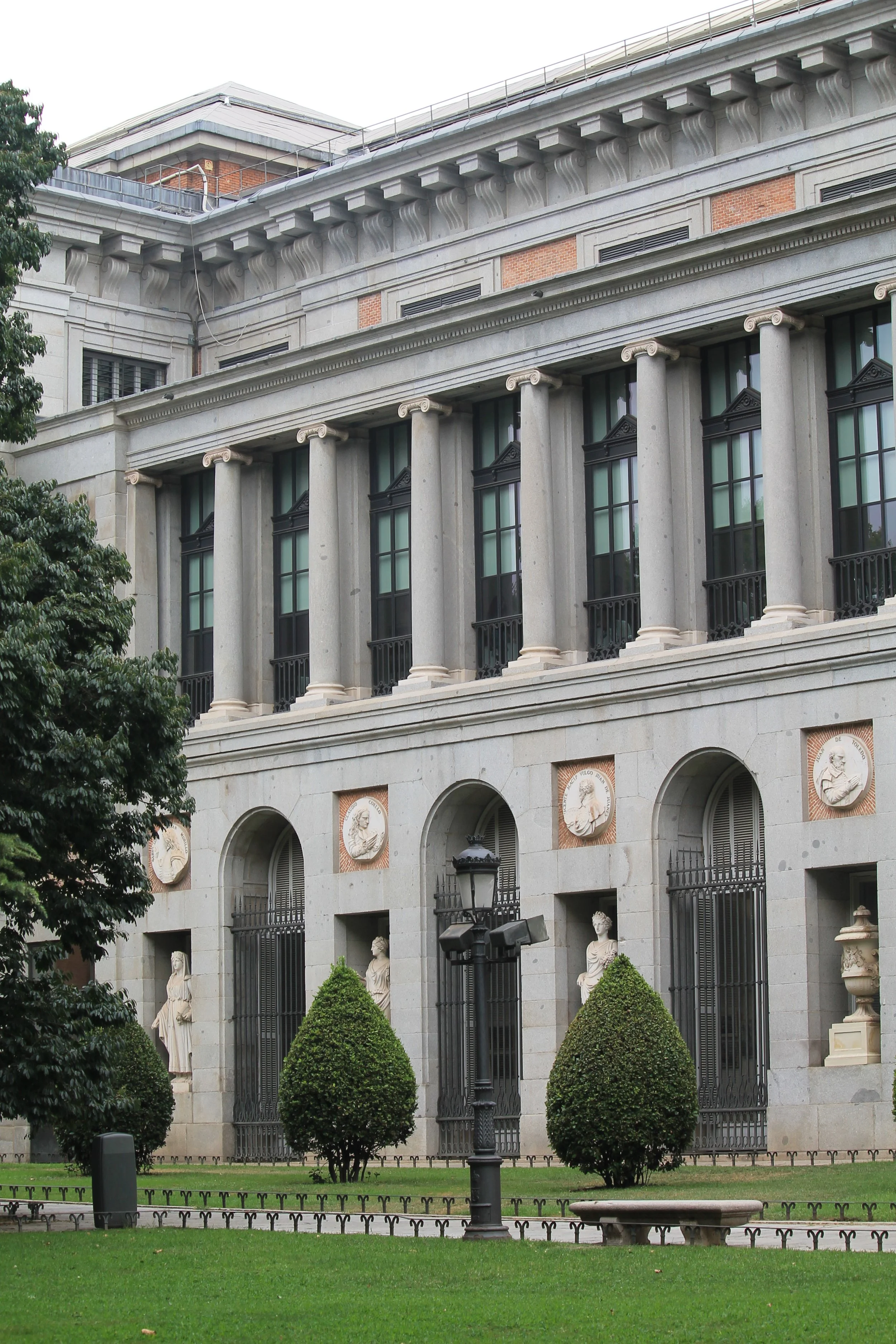
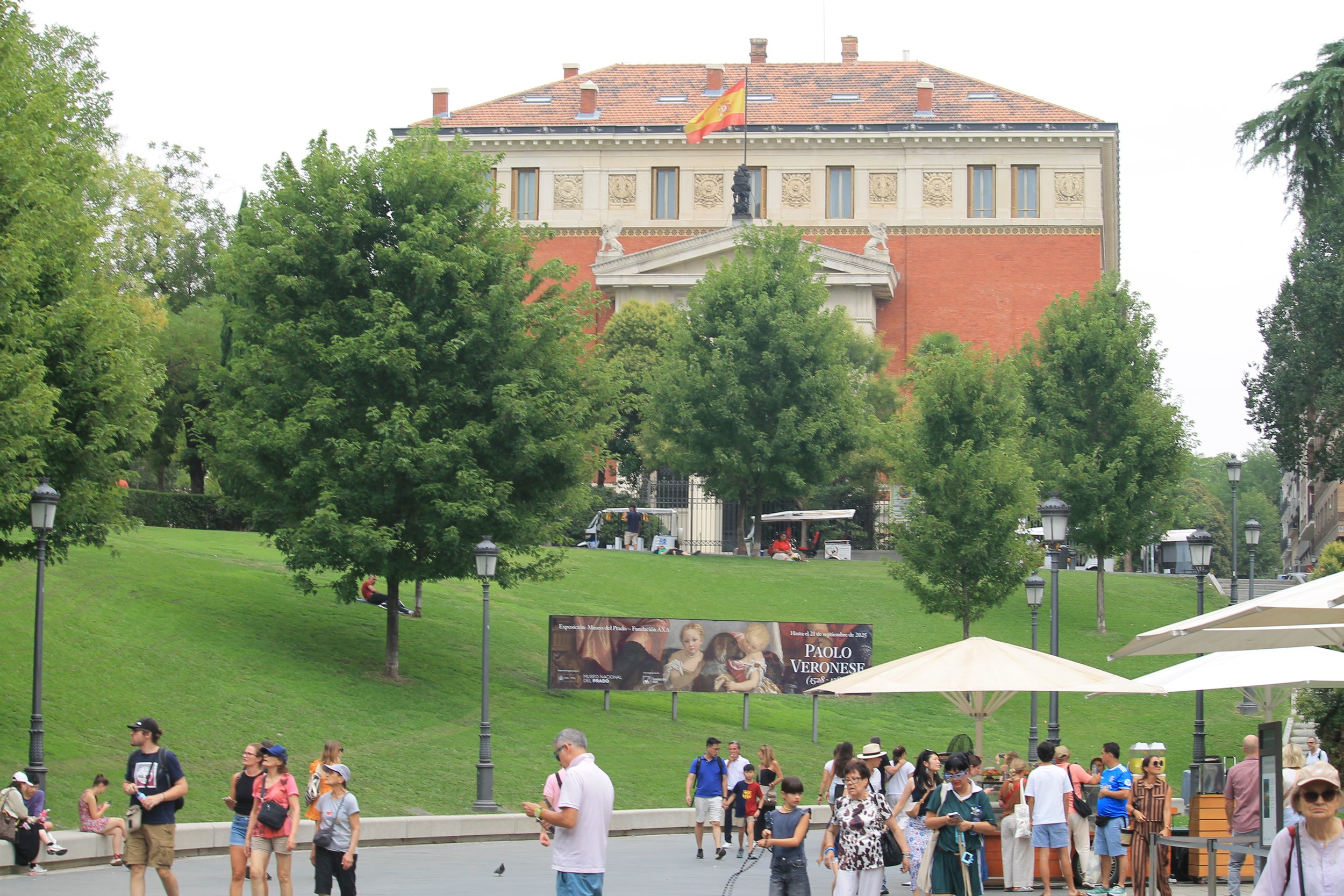
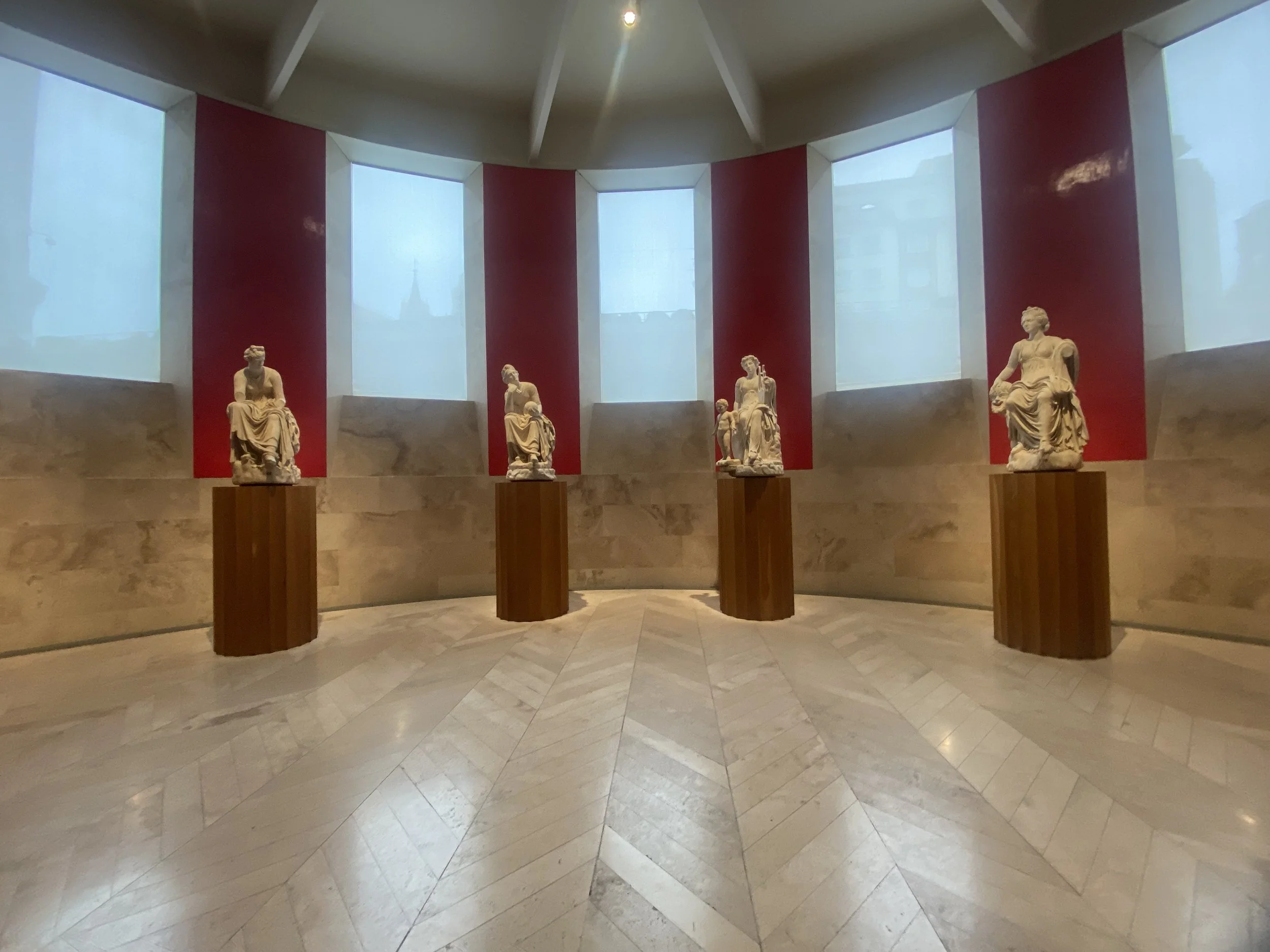
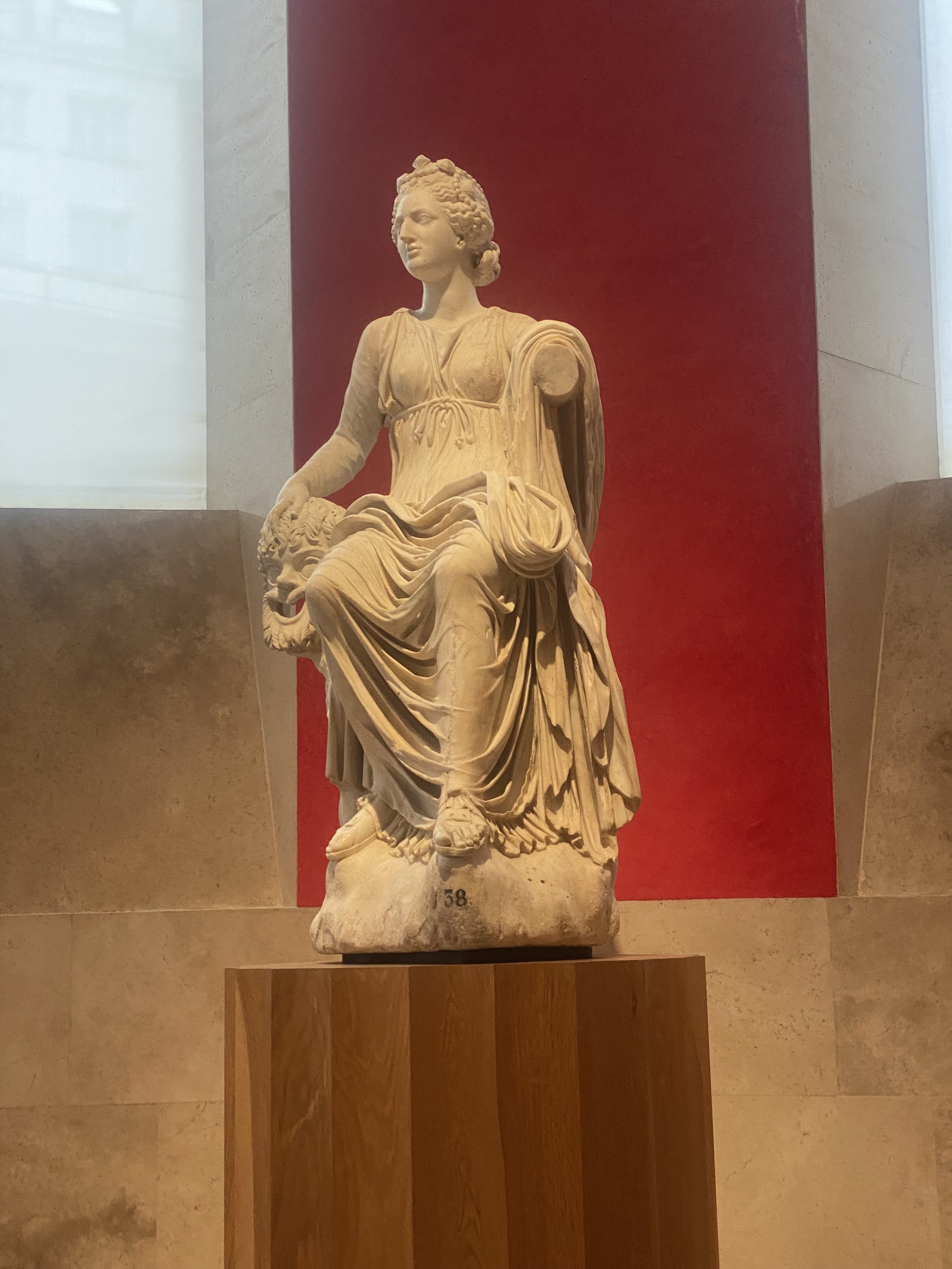
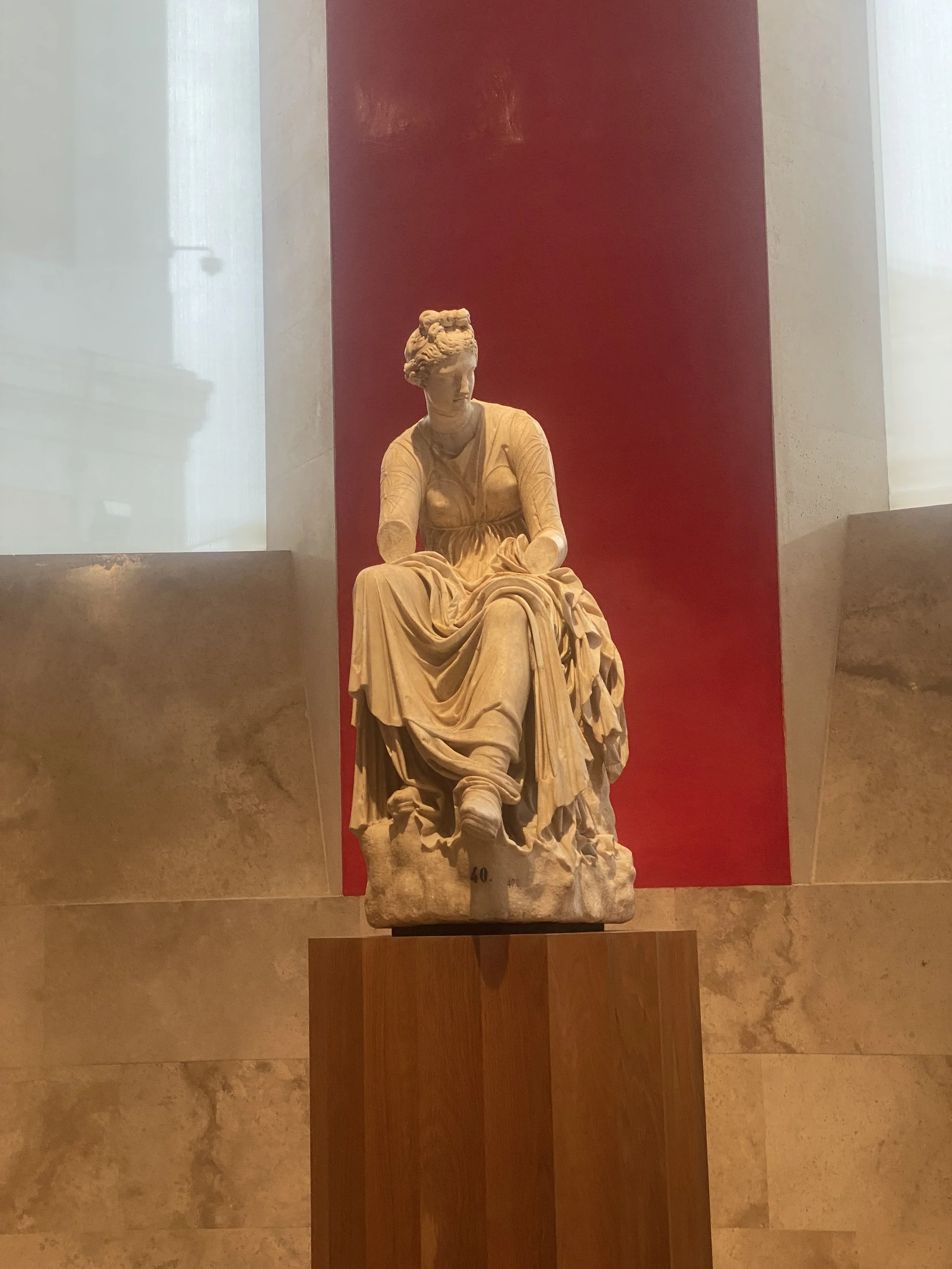
The Museo del Prado is one of the most important and prestigious art museums in the world, located in the cultural heart of Madrid. Founded in 1819 by King Ferdinand VII, it was originally intended to showcase Spain’s royal collection of paintings and sculptures.
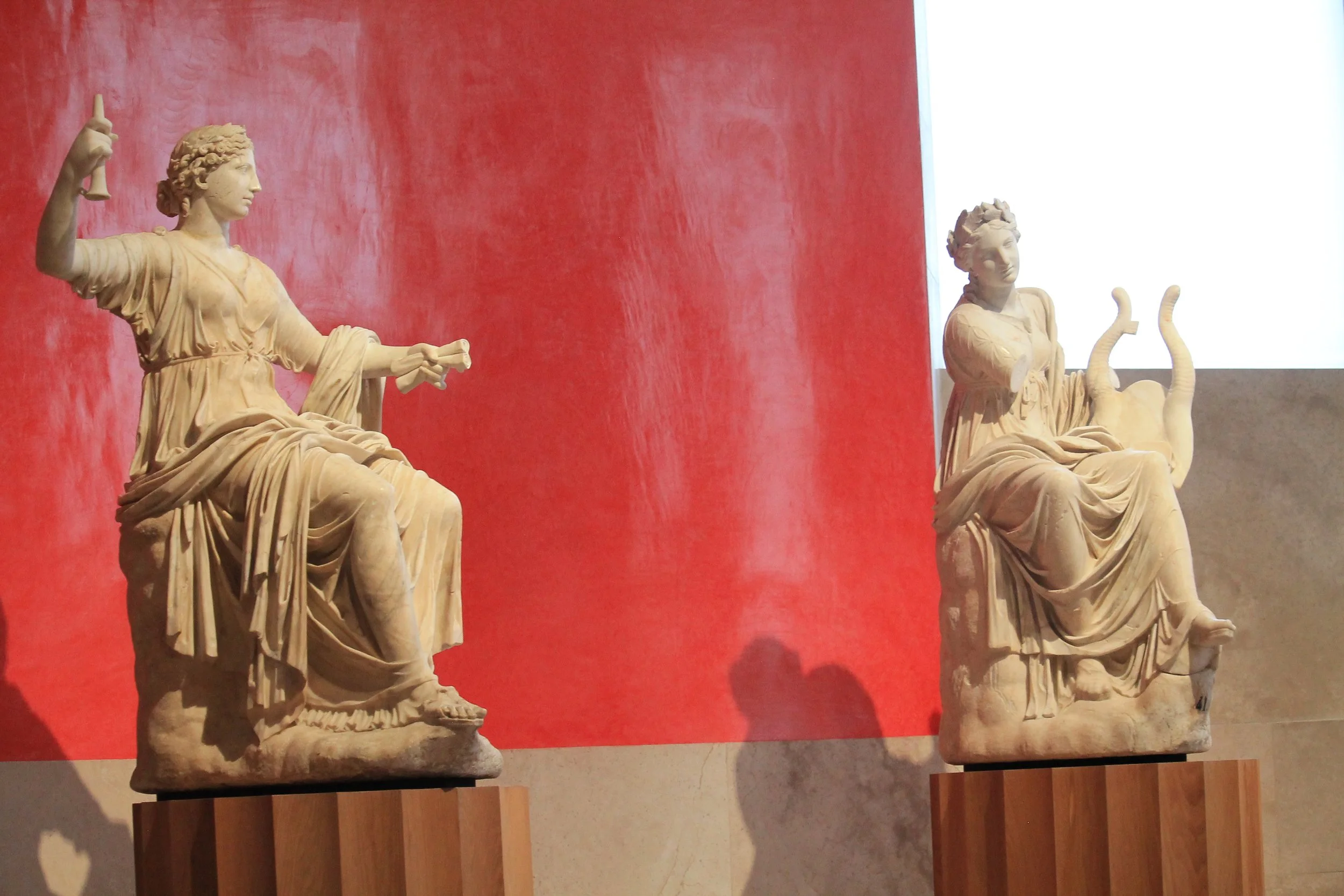
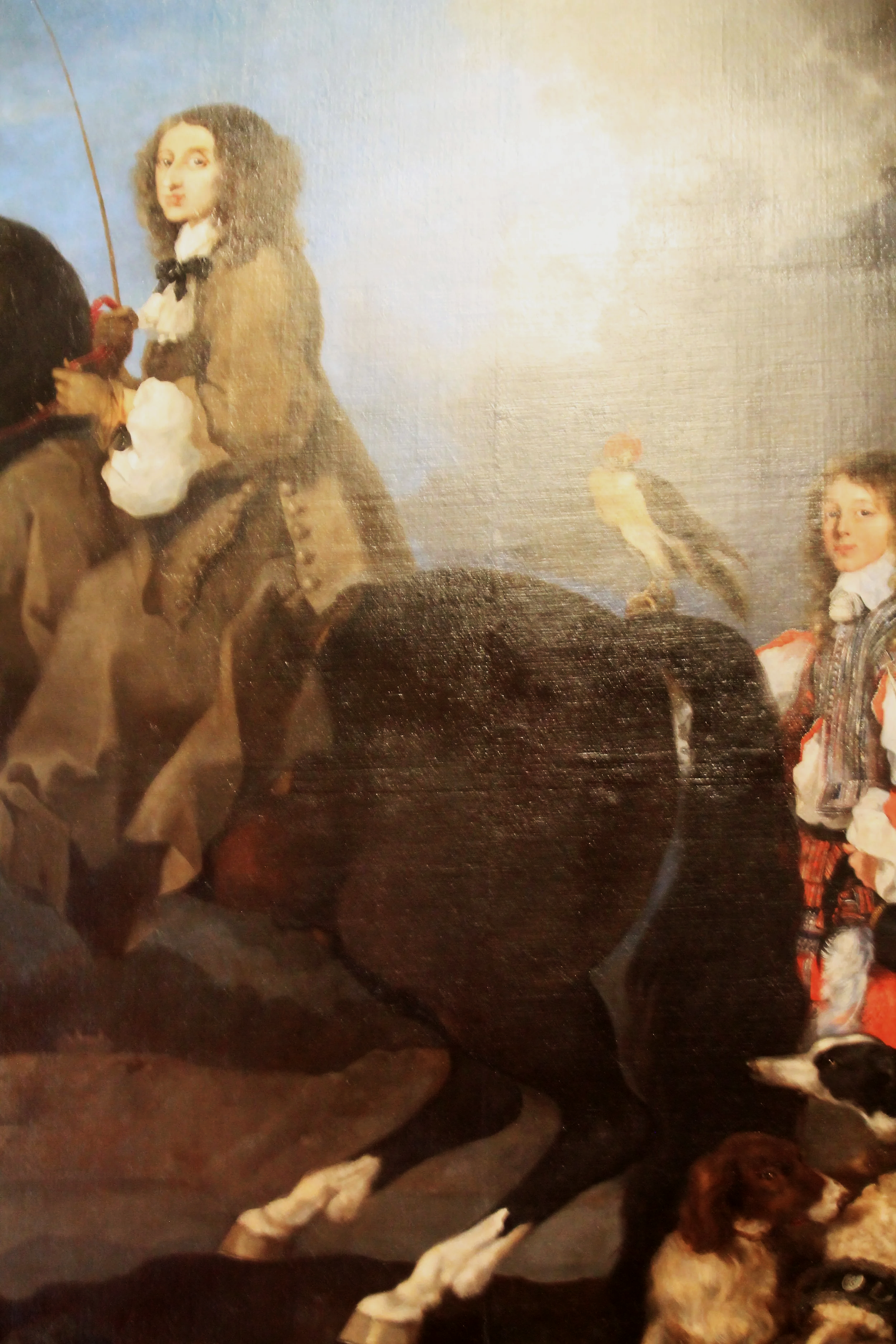
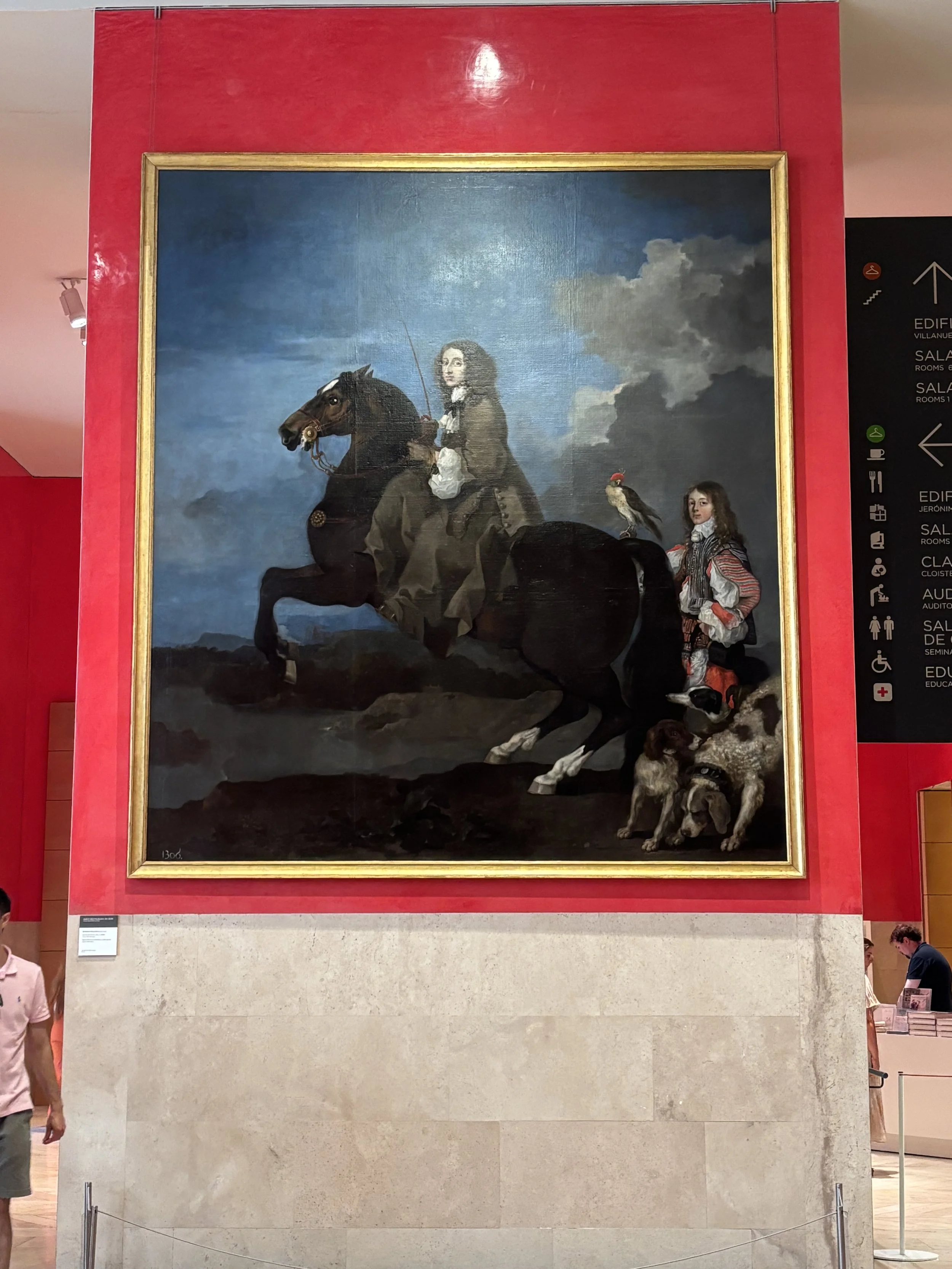
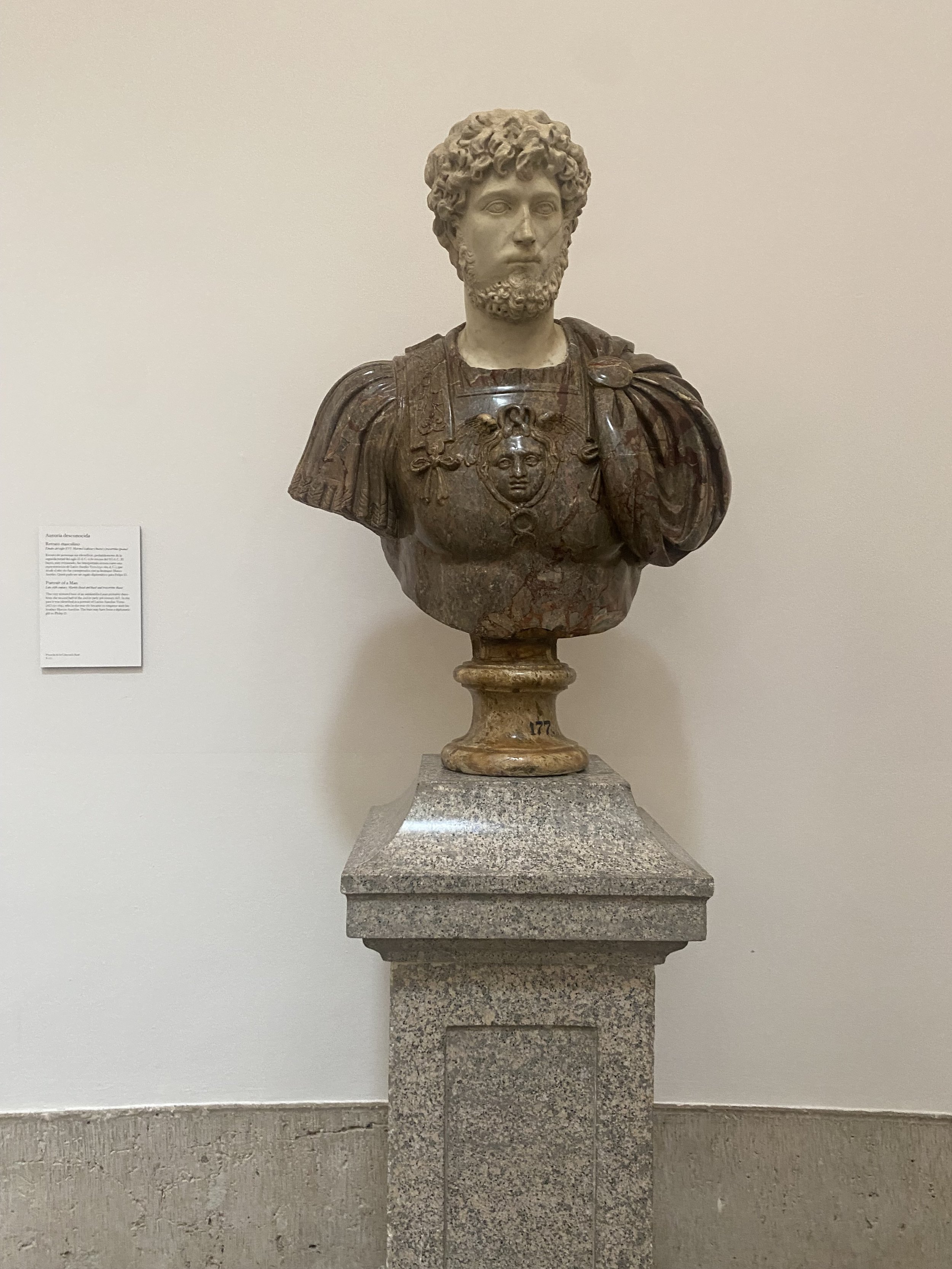
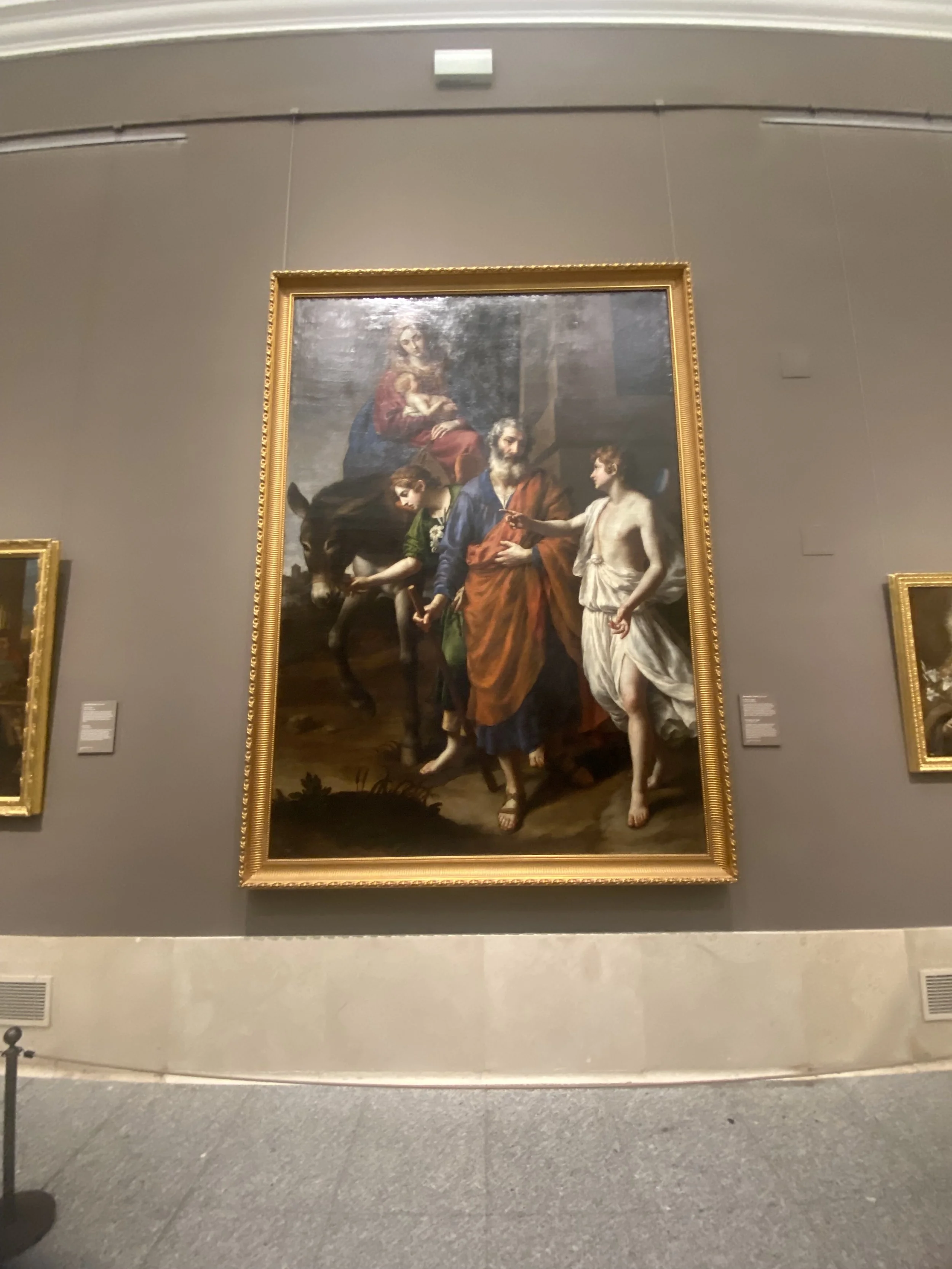
Over the centuries, it has grown into a global treasure, housing more than 7,000 works of art, with an emphasis on European masterpieces from the 12th to the early 20th century.
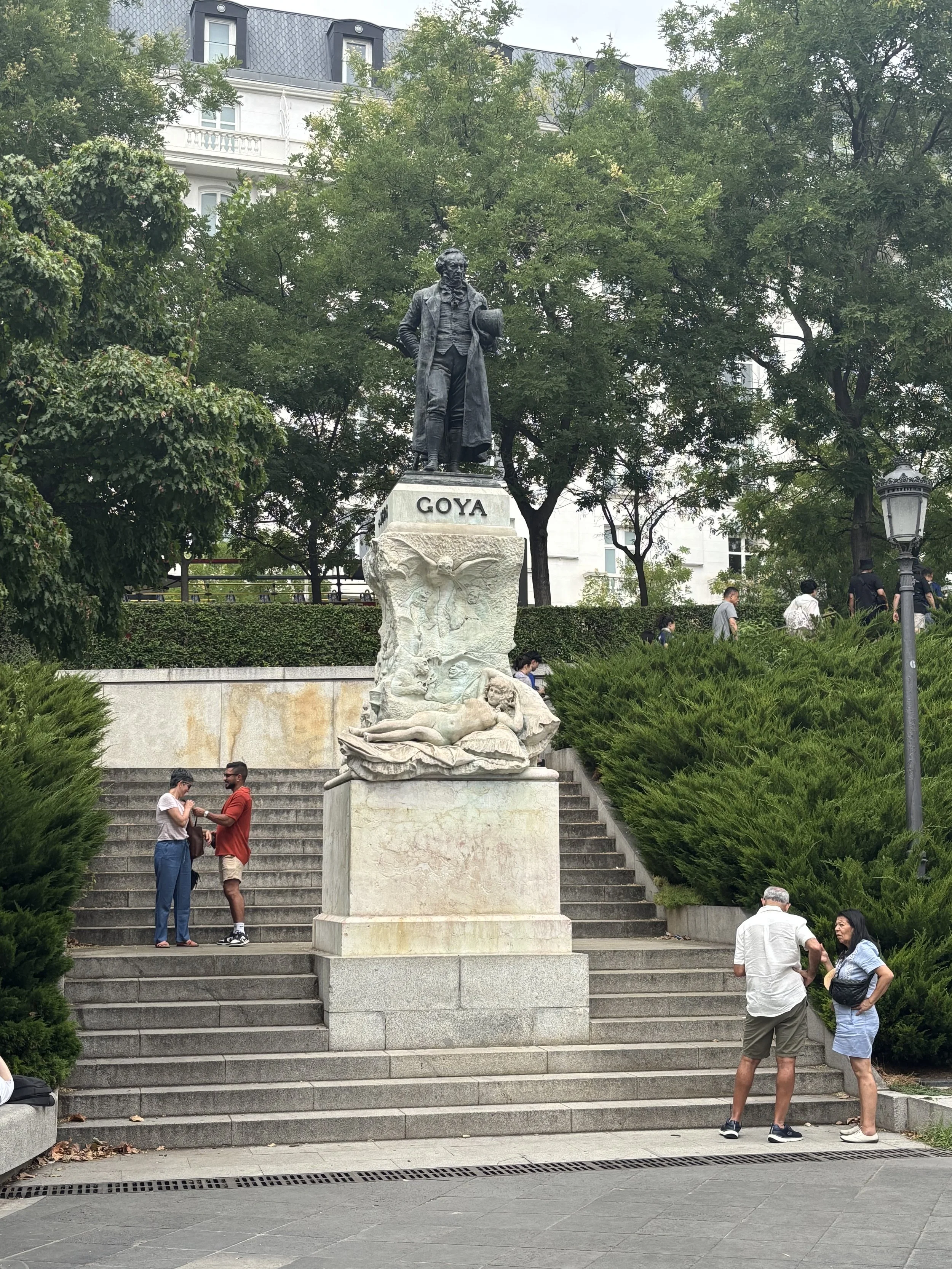
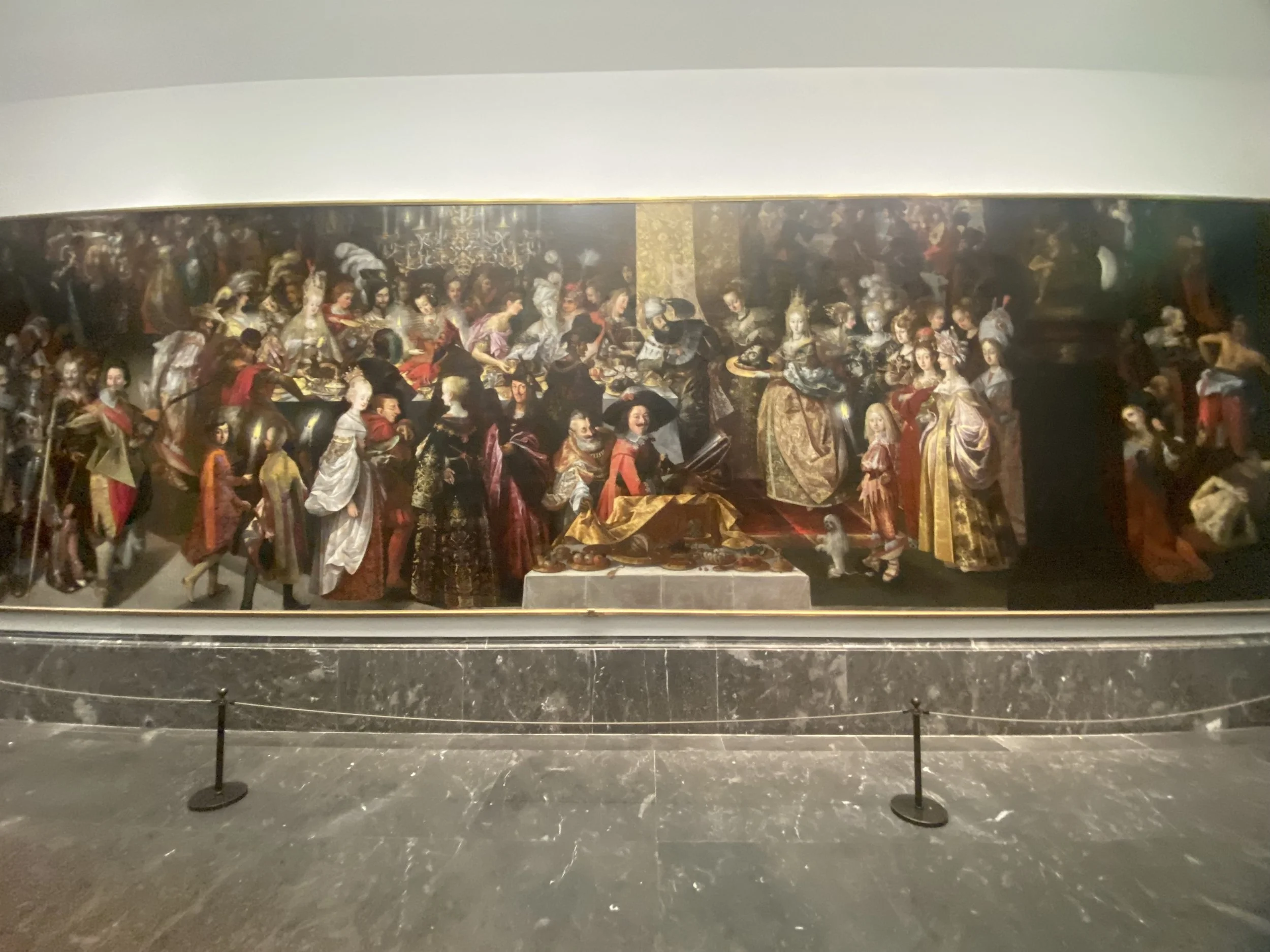
The museum is best known for its extraordinary collection of Spanish painters. Visitors can admire the hauntingly powerful works of Francisco de Goya, whose “The Third of May 1808” and “Black Paintings” remain among the most influential in European art. Diego Velázquez’s celebrated masterpiece “Las Meninas” is another highlight, captivating audiences with its complex play of perspective and royal portraiture. El Greco’s dramatic, elongated figures also hold a central place in the Prado’s galleries, illustrating Spain’s rich artistic heritage.
Beyond Spanish art, the Prado boasts an impressive range of international works. It features a remarkable collection of Italian masters, including Raphael, Titian, and Caravaggio, as well as Flemish artists such as Hieronymus Bosch, whose fantastical triptych “The Garden of Earthly Delights” is one of the museum’s most visited and discussed paintings. These works reflect the wide-ranging influence of European art across centuries.
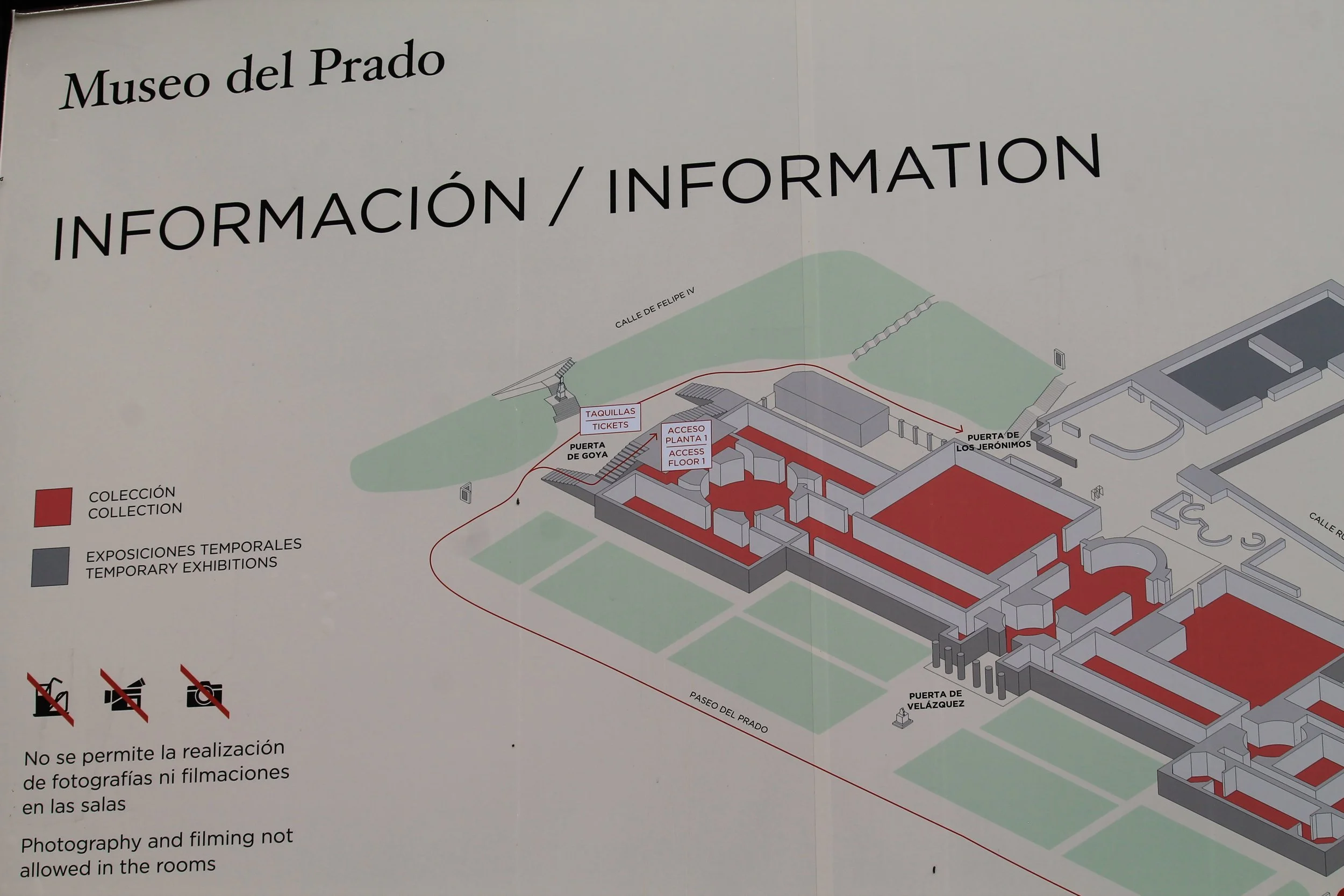
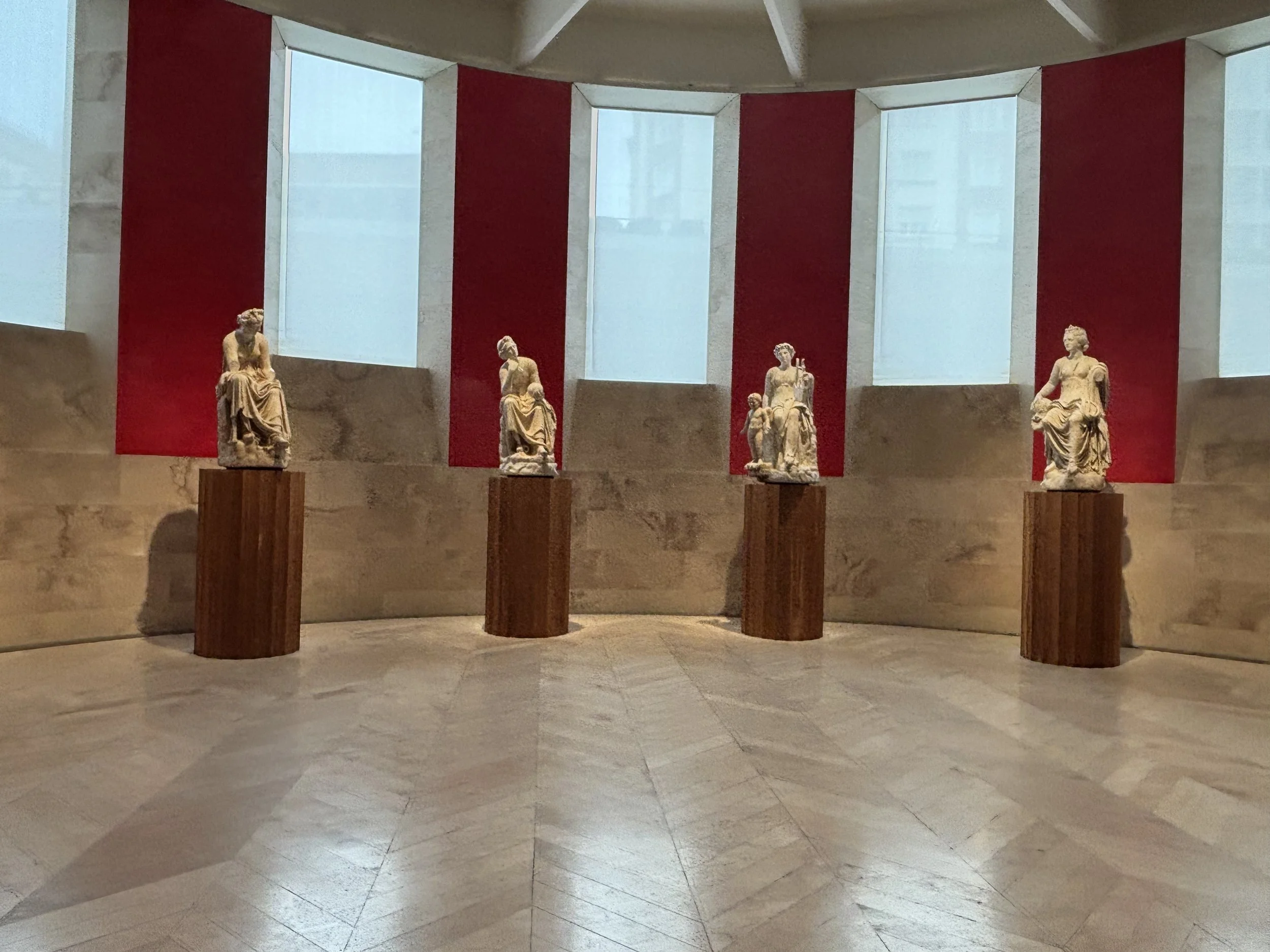
The building itself is a neoclassical gem, designed by architect Juan de Villanueva. Over time, it has been expanded to accommodate its ever-growing collection, yet it has retained its sense of grandeur and elegance. Walking its halls feels like a journey through European history, where each room tells a story of kings, revolutions, religious devotion, and human imagination.
Today, the Museo del Prado is not only a repository of masterpieces but also a symbol of Spain’s cultural pride and global artistic significance. It attracts millions of visitors annually, who come to witness some of the greatest works ever created. For art lovers, it is more than a museum — it is a pilgrimage site that celebrates the timeless power of creativity.




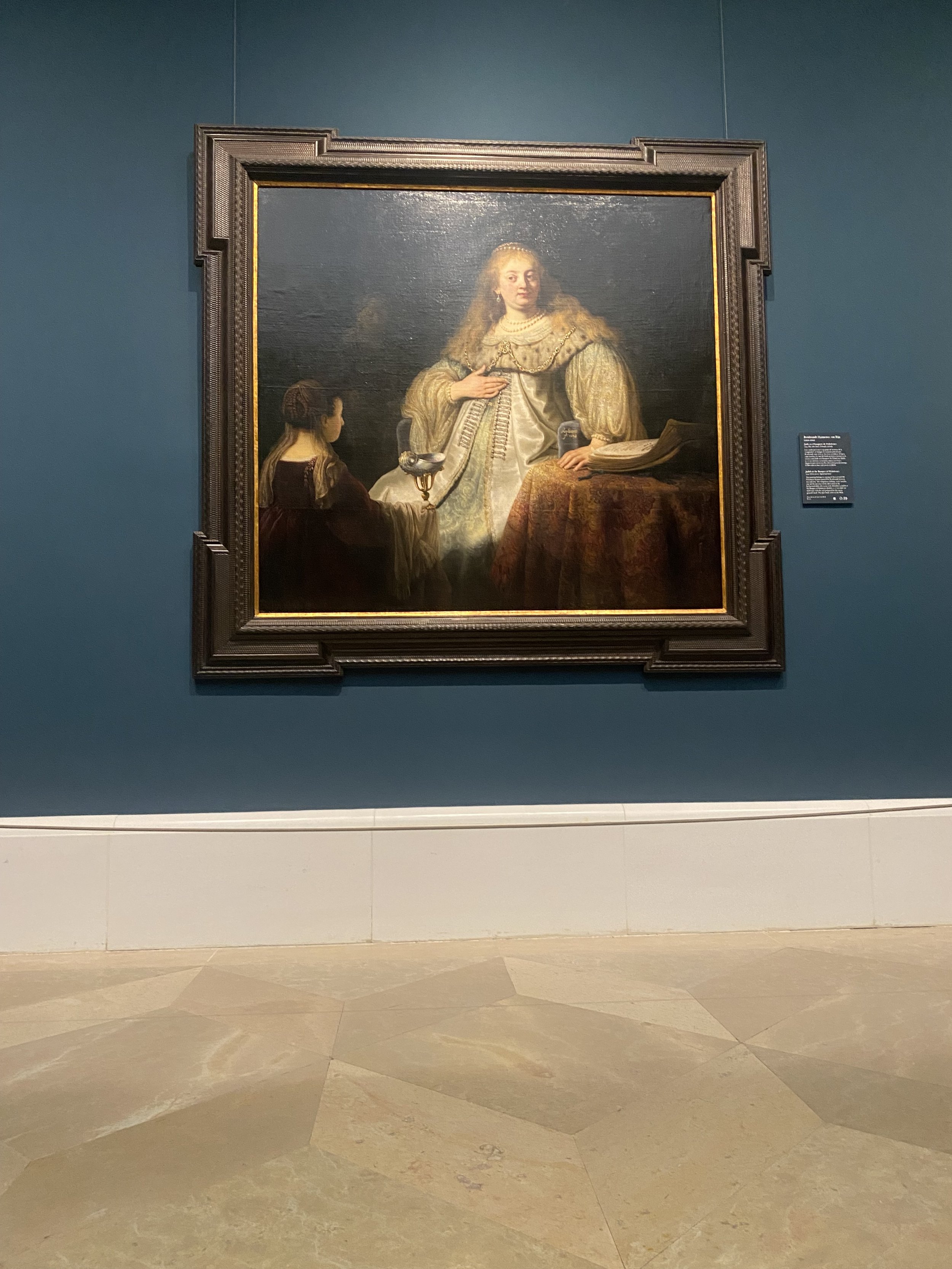
the most famous Rembrandt painting in its collection is "Artemisia" (1634), which some scholars also identify as Queen Sophonisba Receiving the Poisoned Cup. It shows a richly dressed woman lifting a golden cup, painted with Rembrandt’s signature mastery of light and shadow. While the Prado is best known for its Spanish and Flemish masters like Velázquez, Goya, and Bosch, this Rembrandt adds depth to its representation of the Dutch Golden Age.