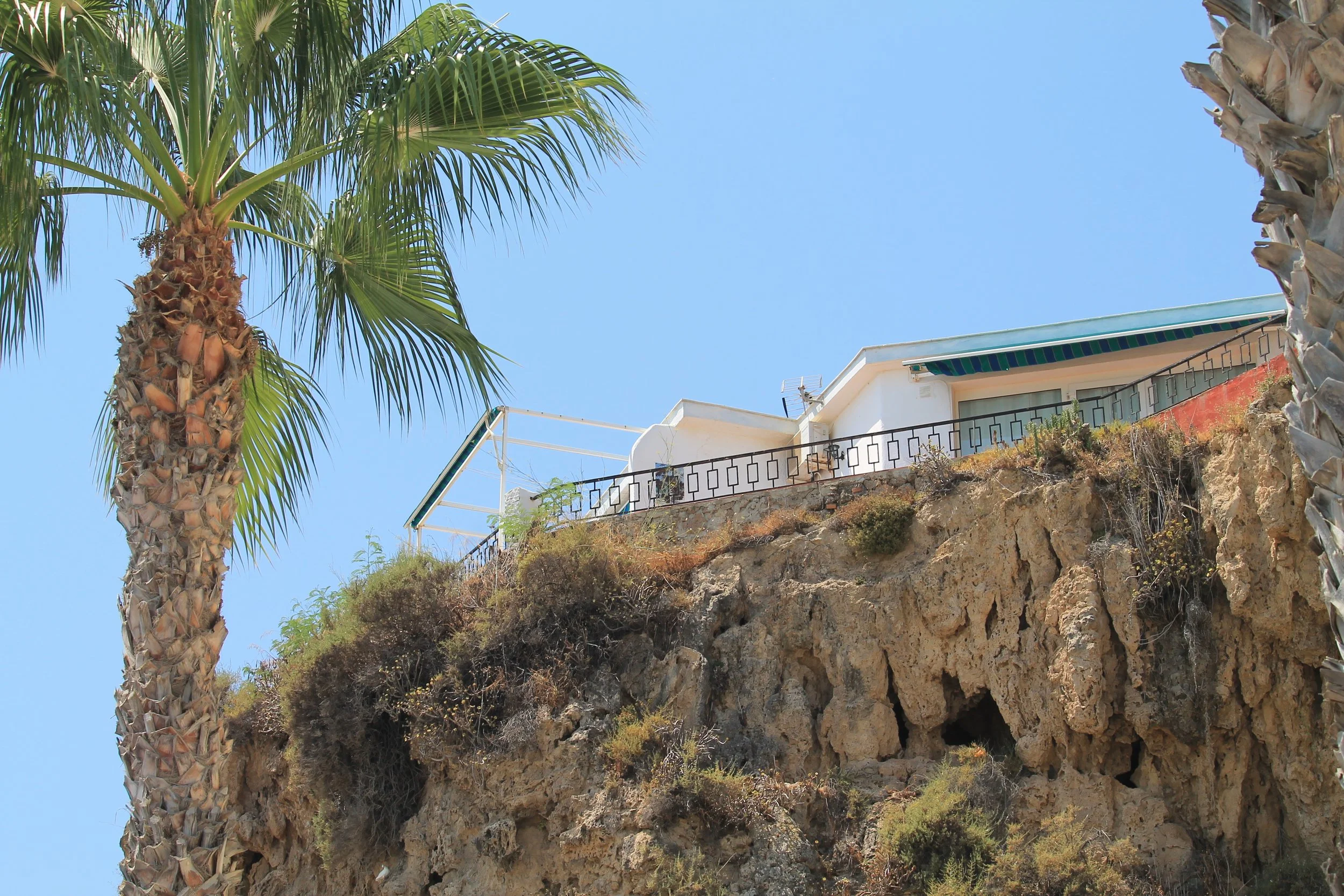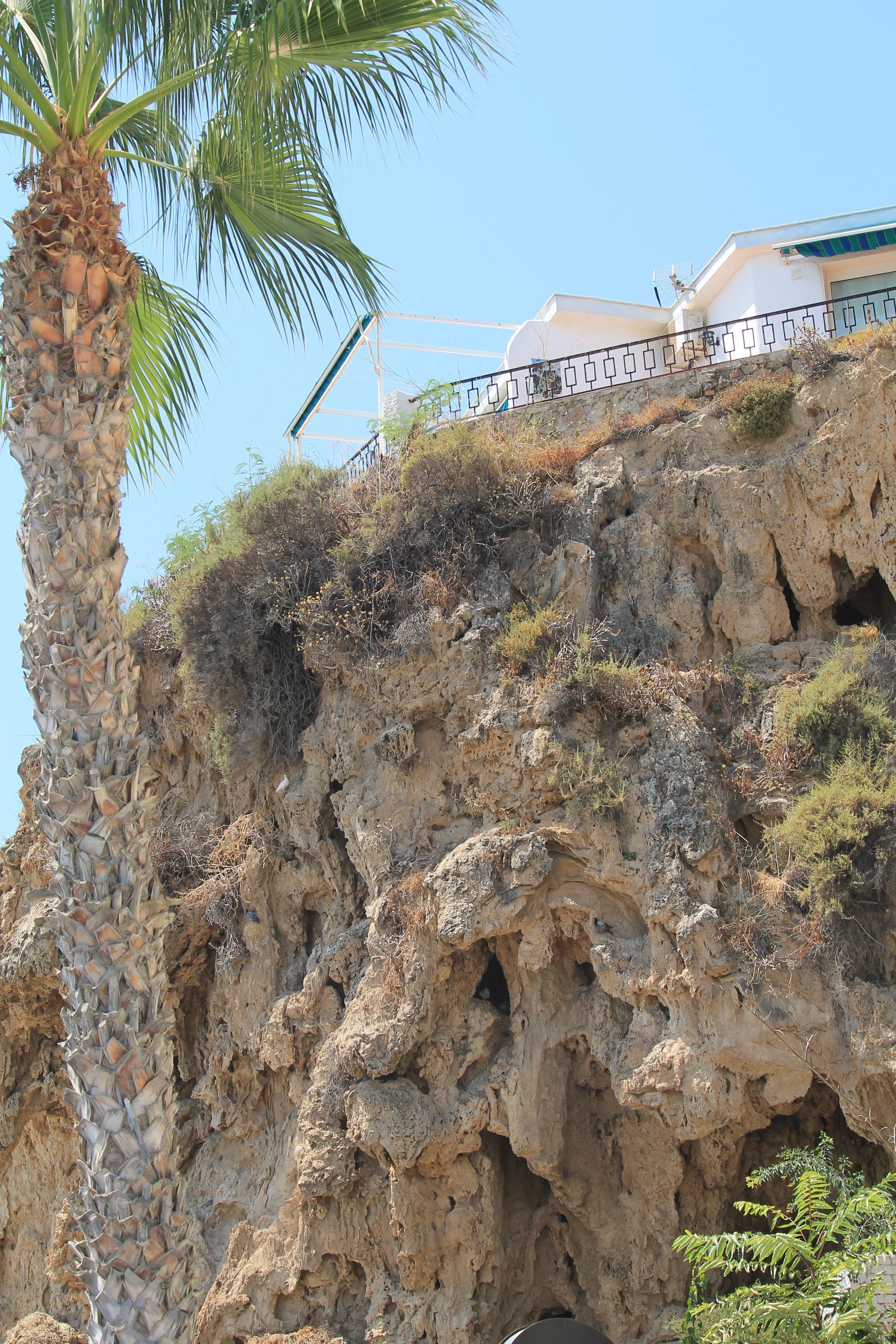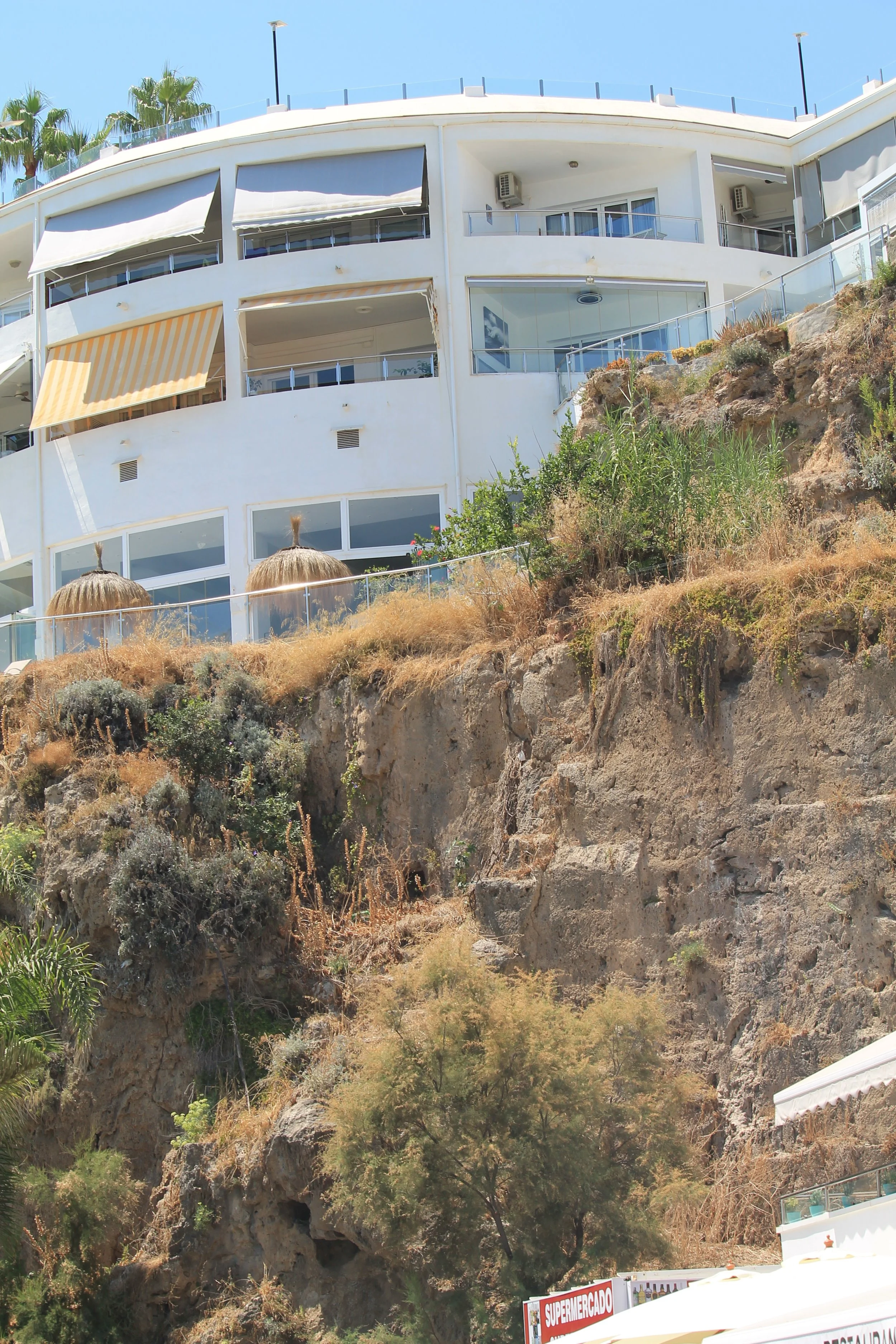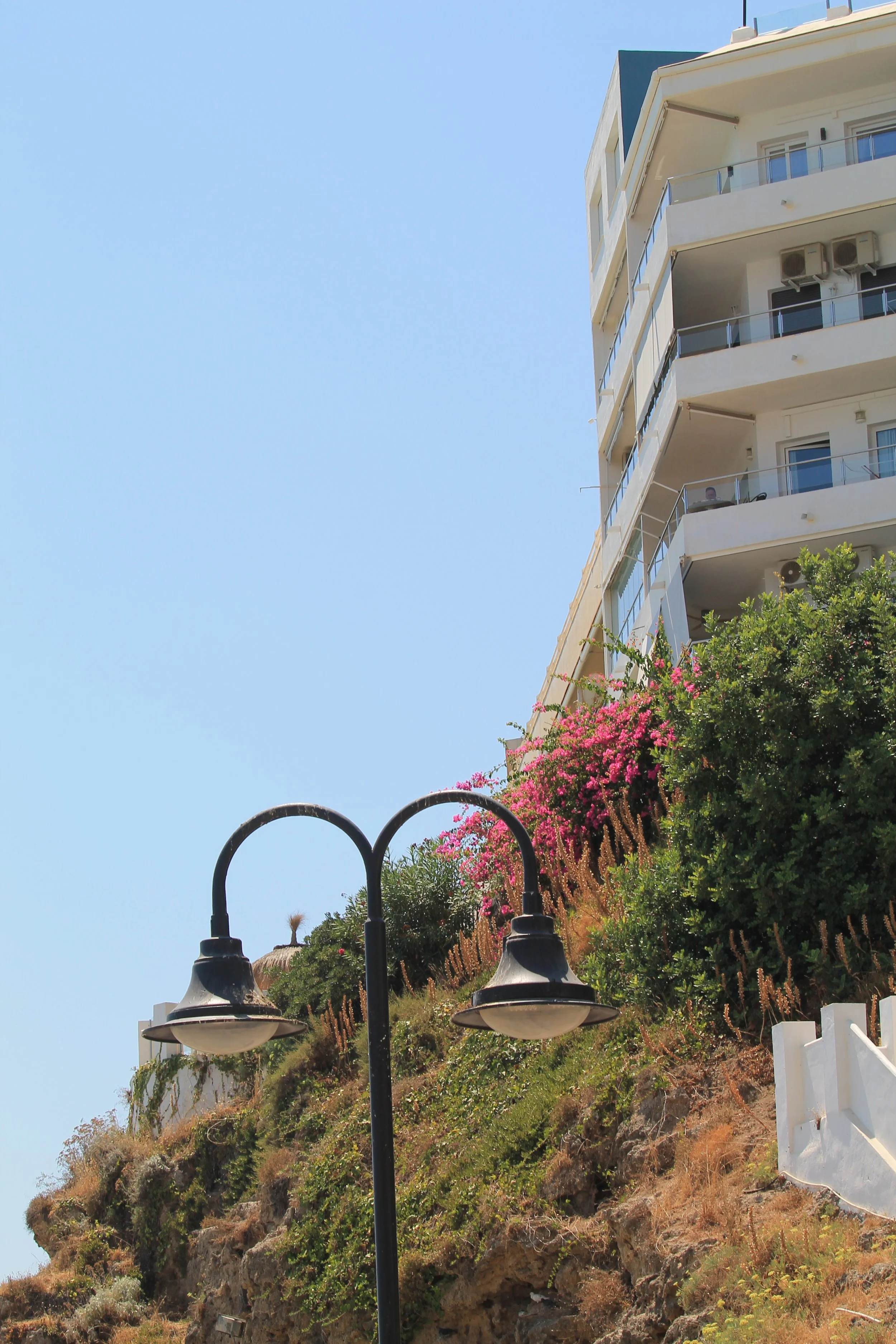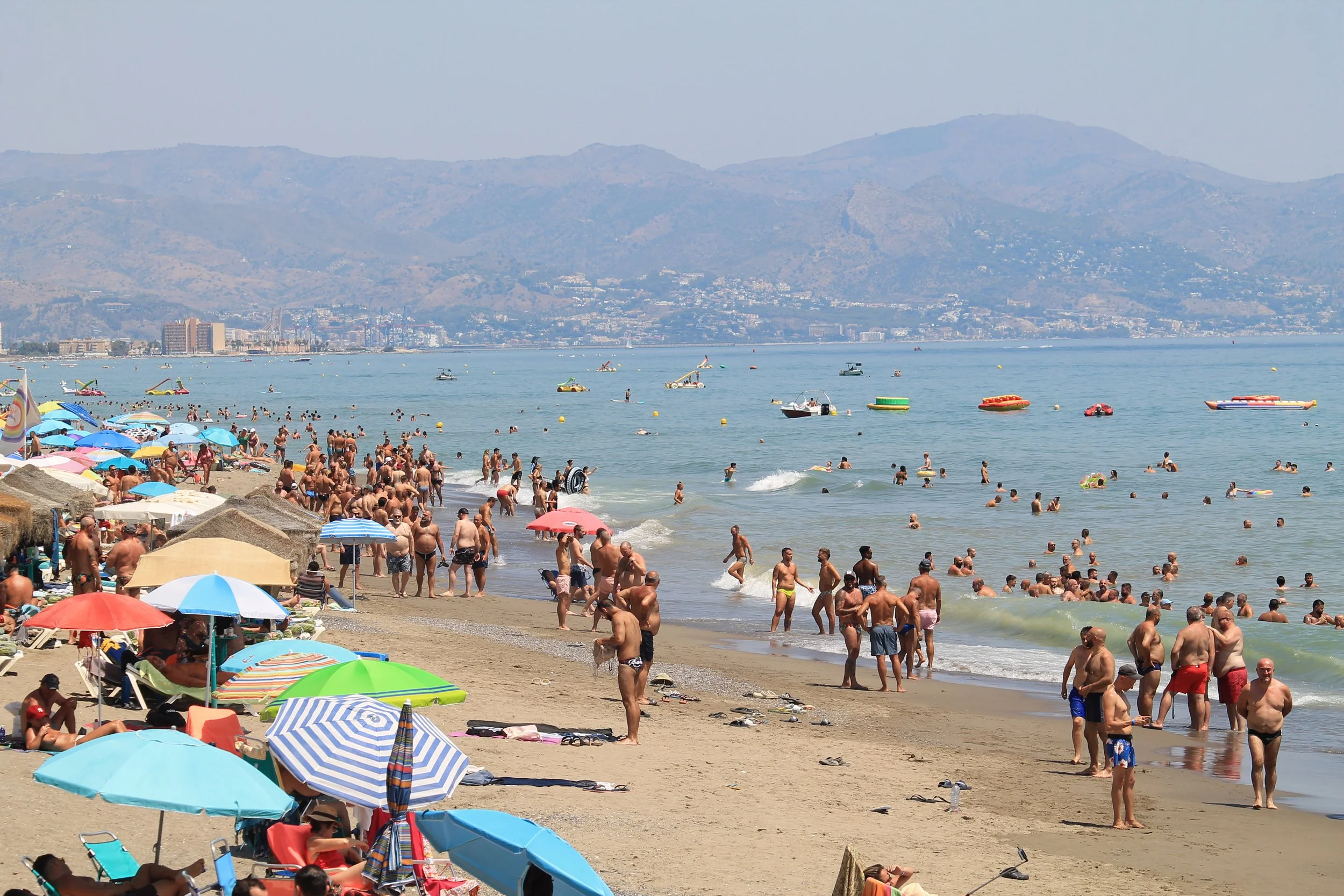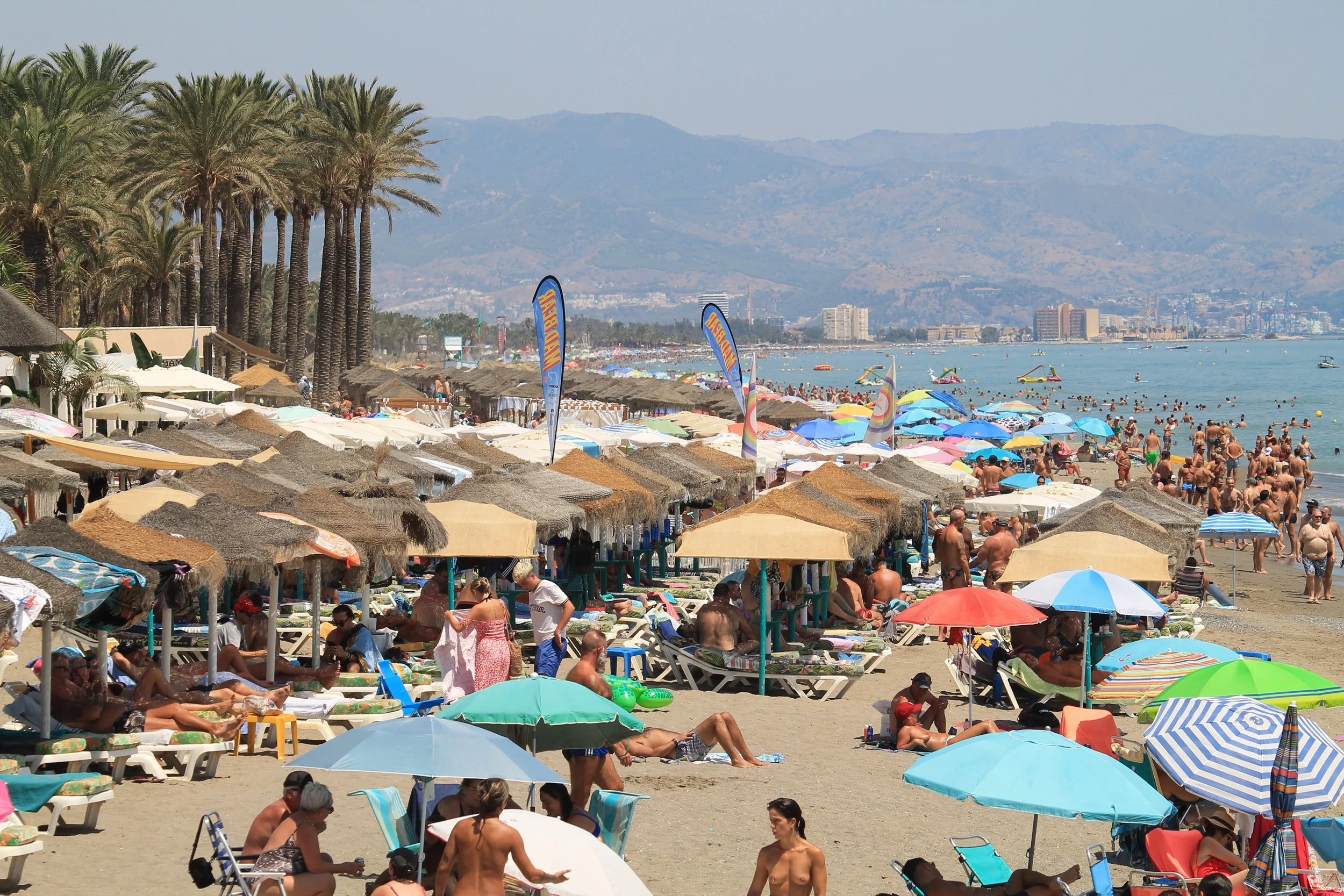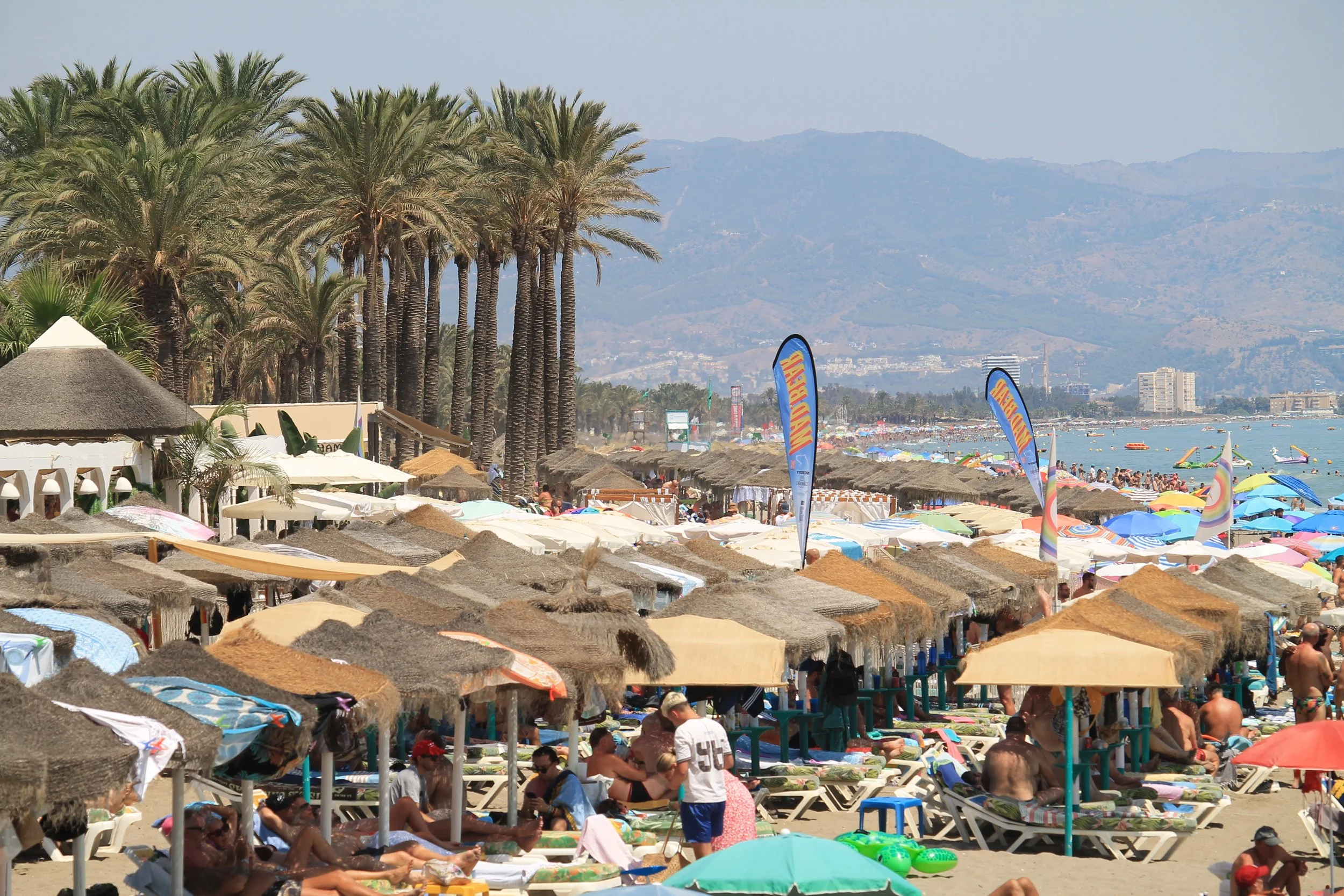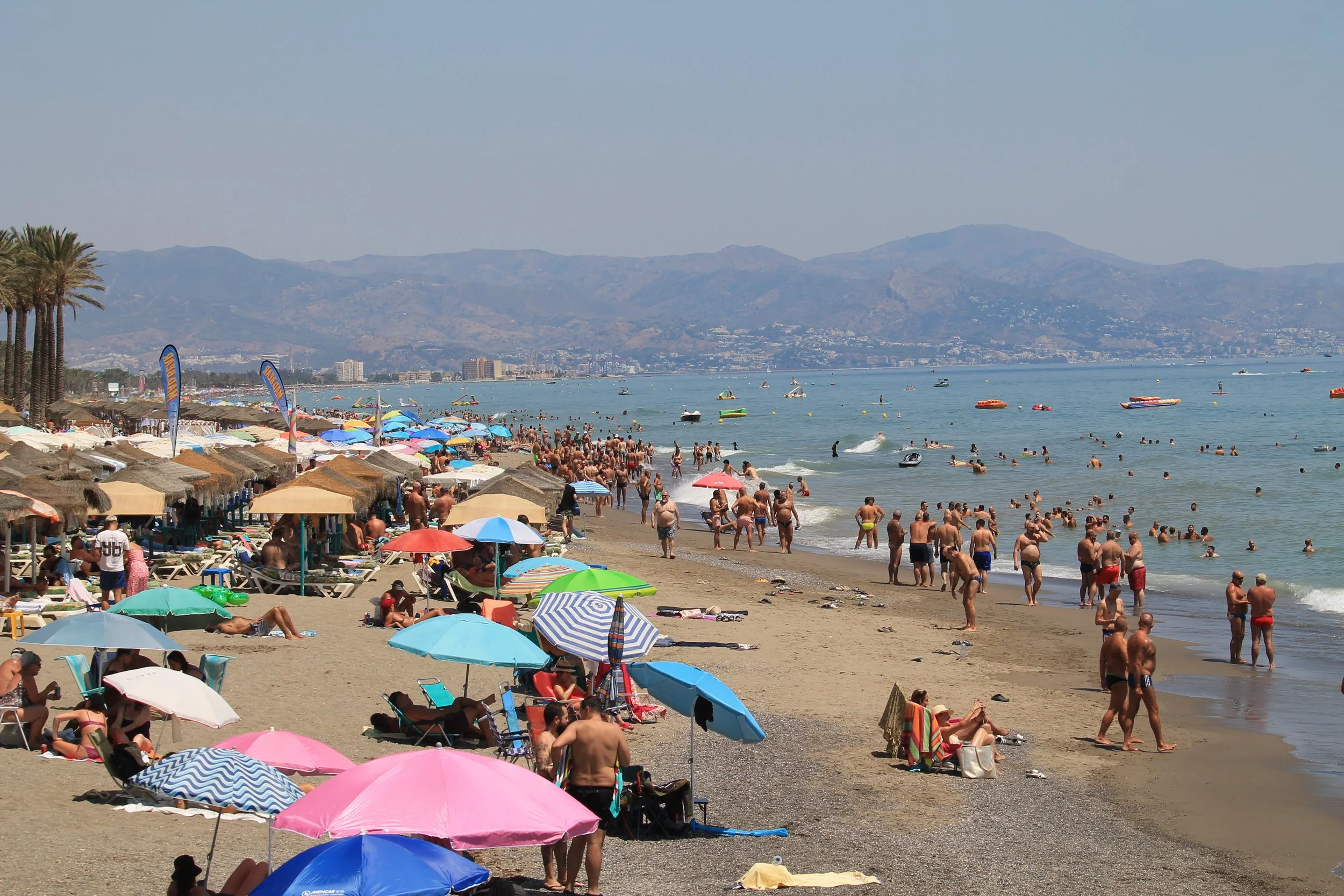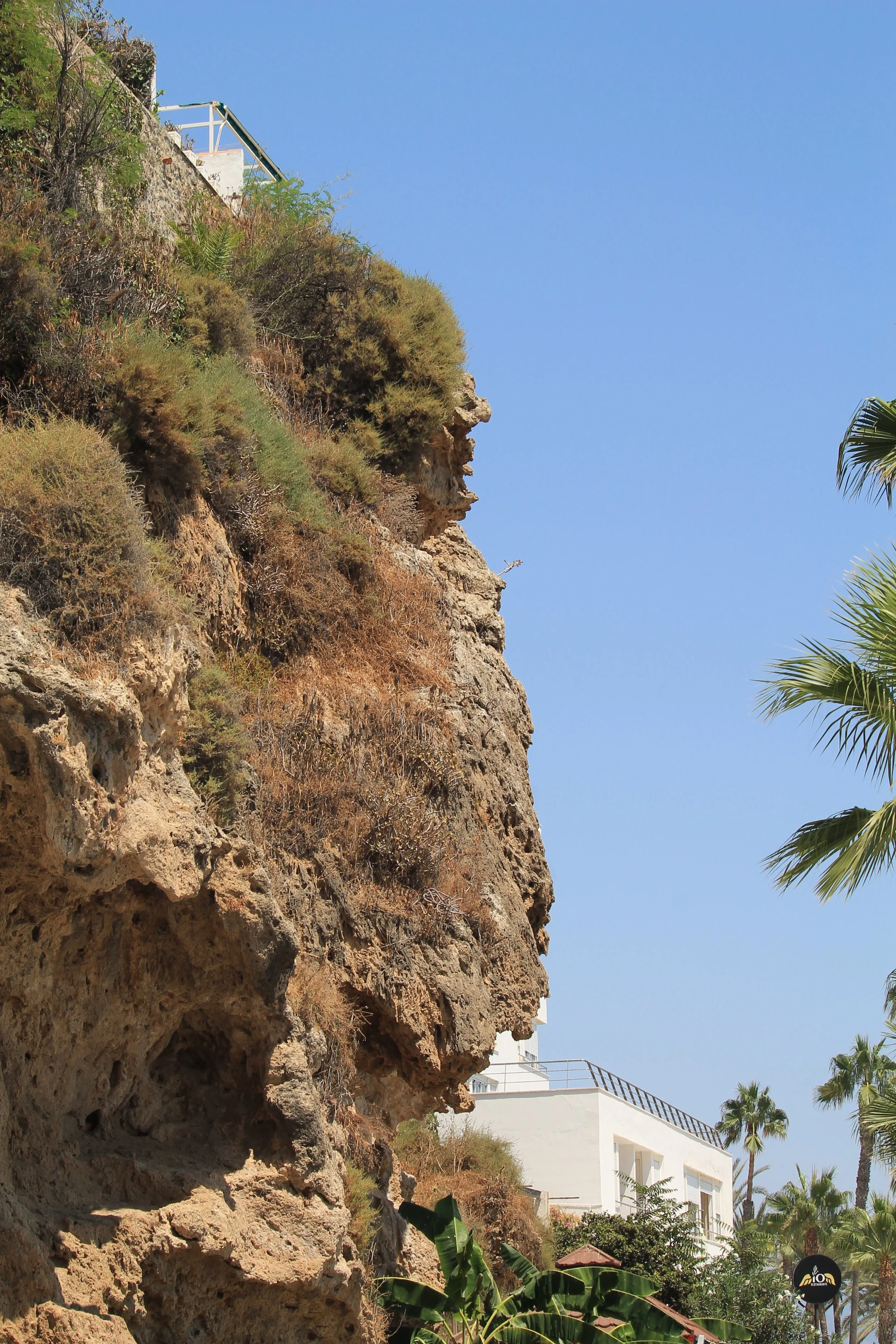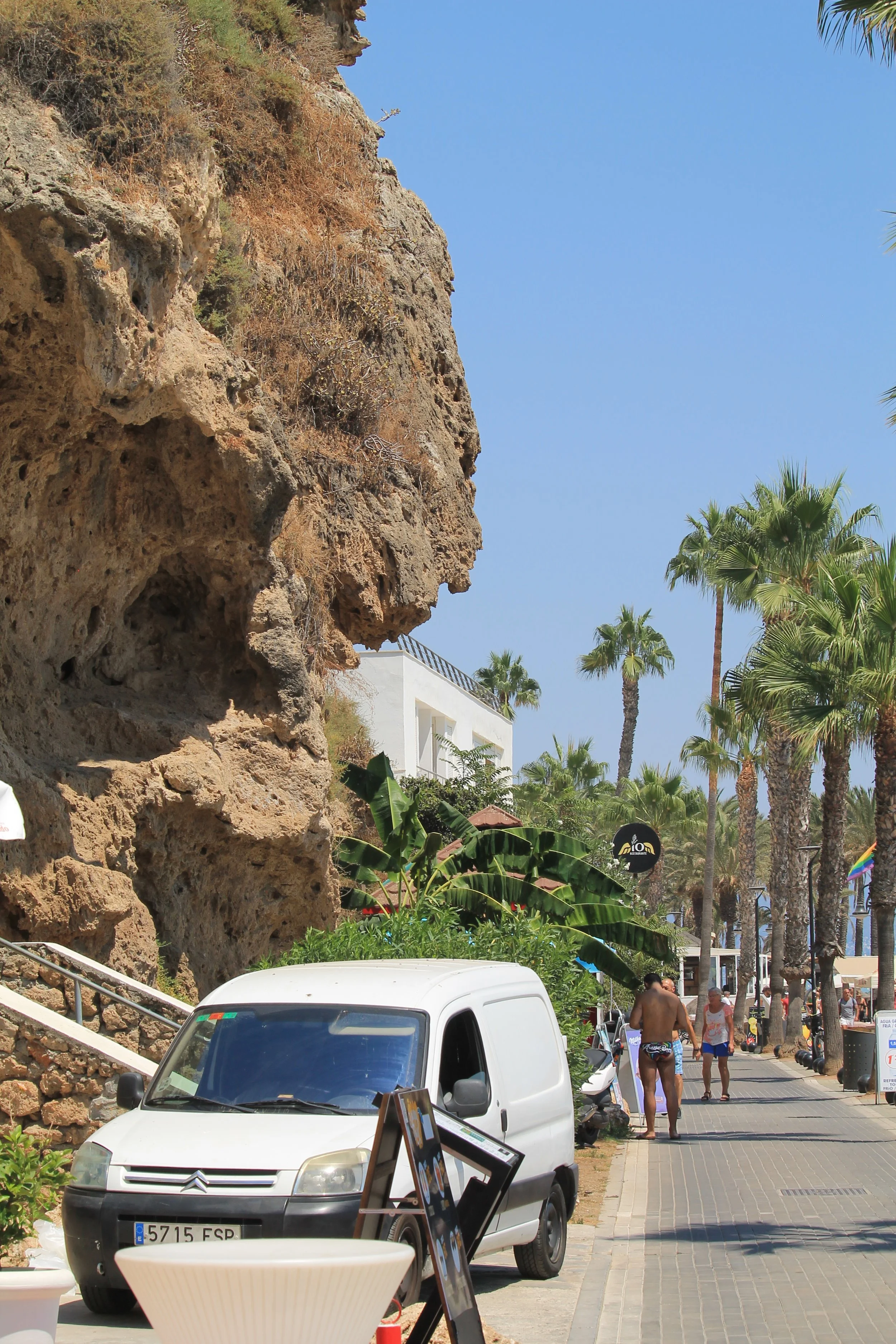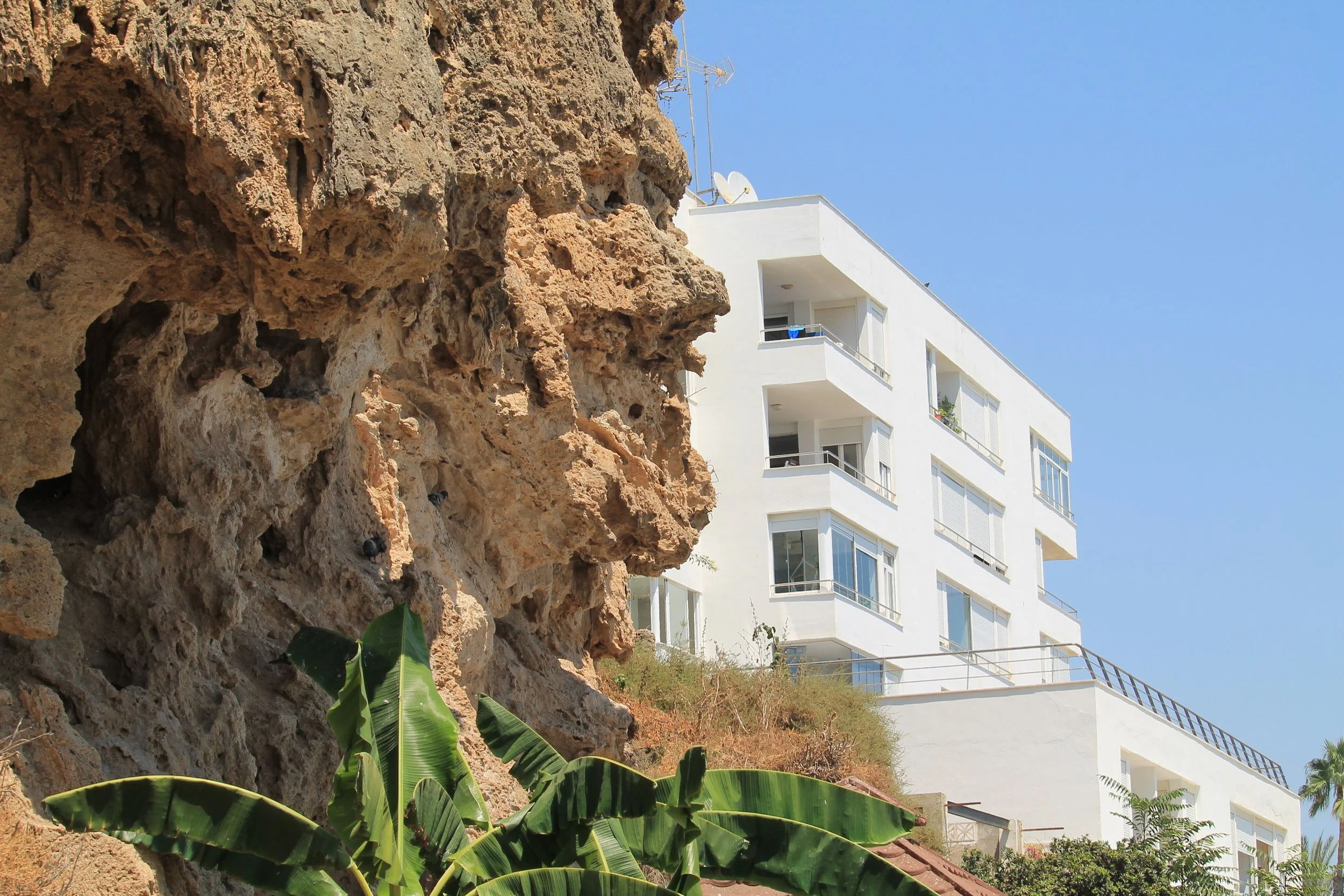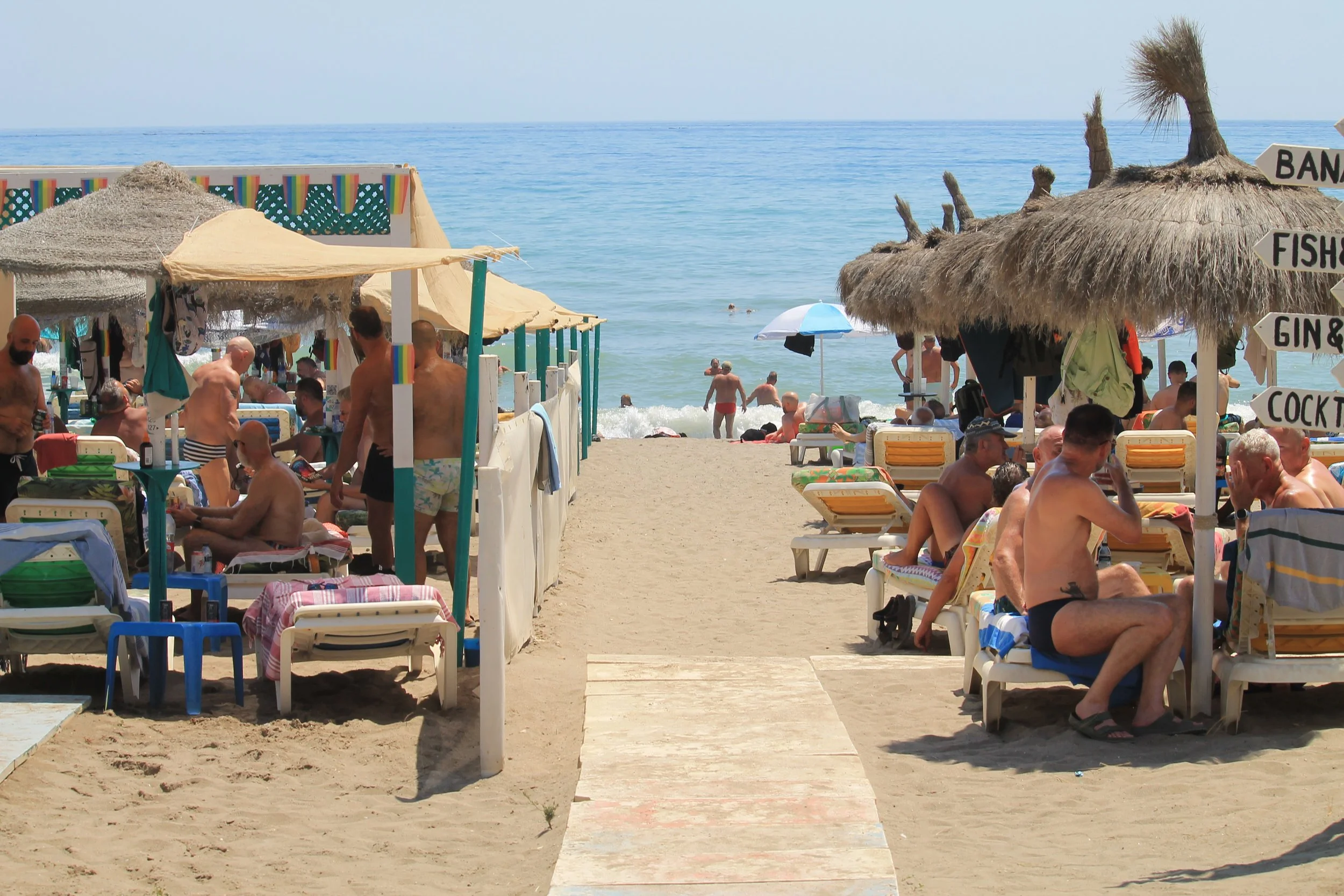
TORREMOLINOS, MÁLAGA, SPAIN
History of Torremolinos
Torremolinos began as a small fishing village on Spain’s Costa del Sol, its name derived from the combination of “torre” (tower) and “molinos” (mills), referencing the old watchtower and flour mills that once dotted the area. In the mid-20th century, it transformed into one of the first major tourist resorts in southern Spain. By the 1950s and 1960s, Torremolinos became internationally famous as a glamorous holiday destination, attracting celebrities like Frank Sinatra, Brigitte Bardot, and Ava Gardner. Its growth as a hub for leisure, nightlife, and beach tourism helped put the Costa del Sol on the map.
Interesting Historical Facts
Torremolinos was officially separated from Málaga in 1988, becoming its own municipality.
The Casa de los Navajas, a Moorish-inspired mansion built in 1925, reflects the region’s Andalusian and Mudéjar heritage.
In the 1960s and 1970s, Torremolinos became a symbol of freedom and modernity in Spain, especially during Franco’s dictatorship, due to its liberal nightlife and cosmopolitan atmosphere.
The town’s old watchtower (Torre de Pimentel) still stands, dating back to the 14th century, and is the origin of the town’s name.
Top Tourist Attractions in Torremolinos
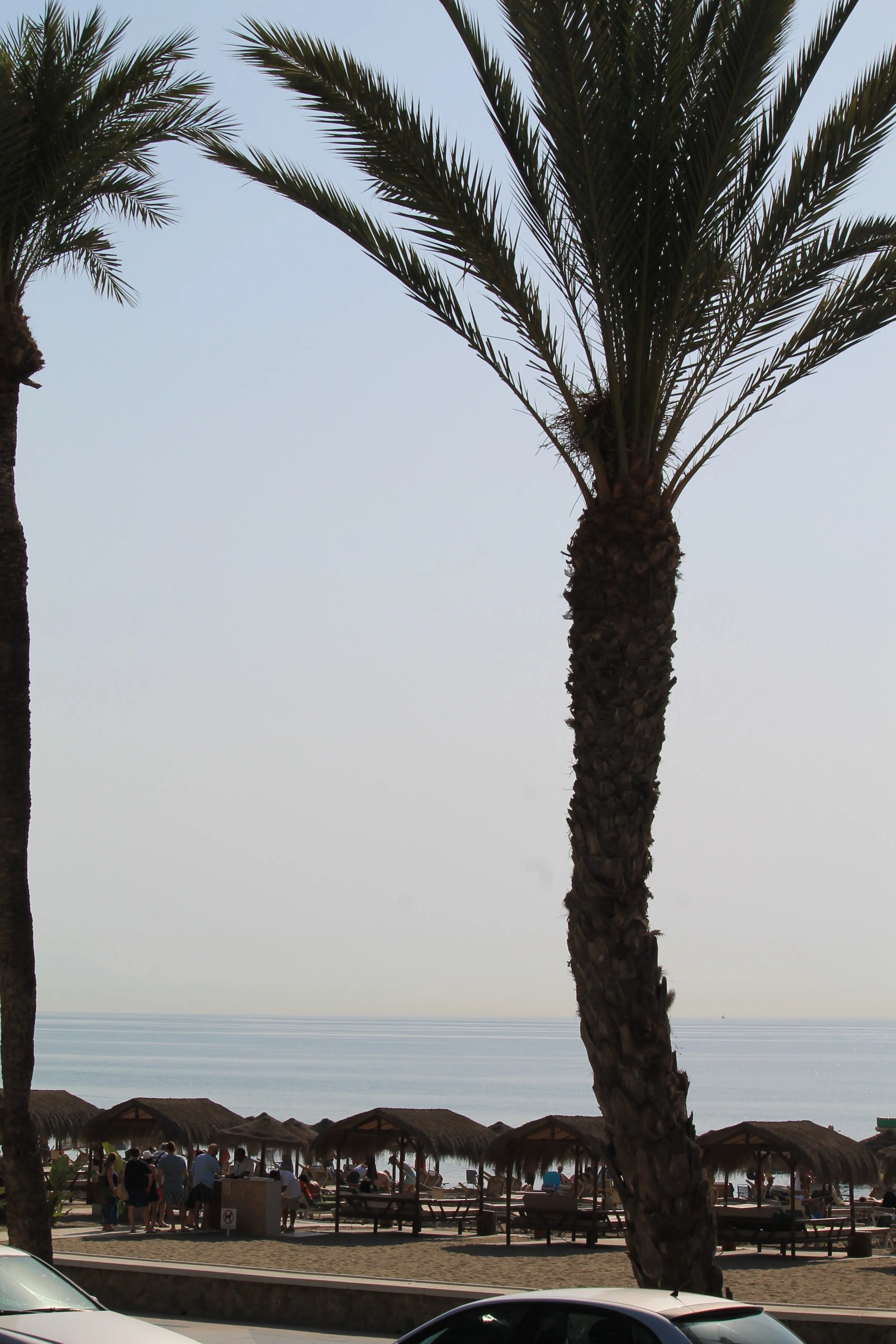
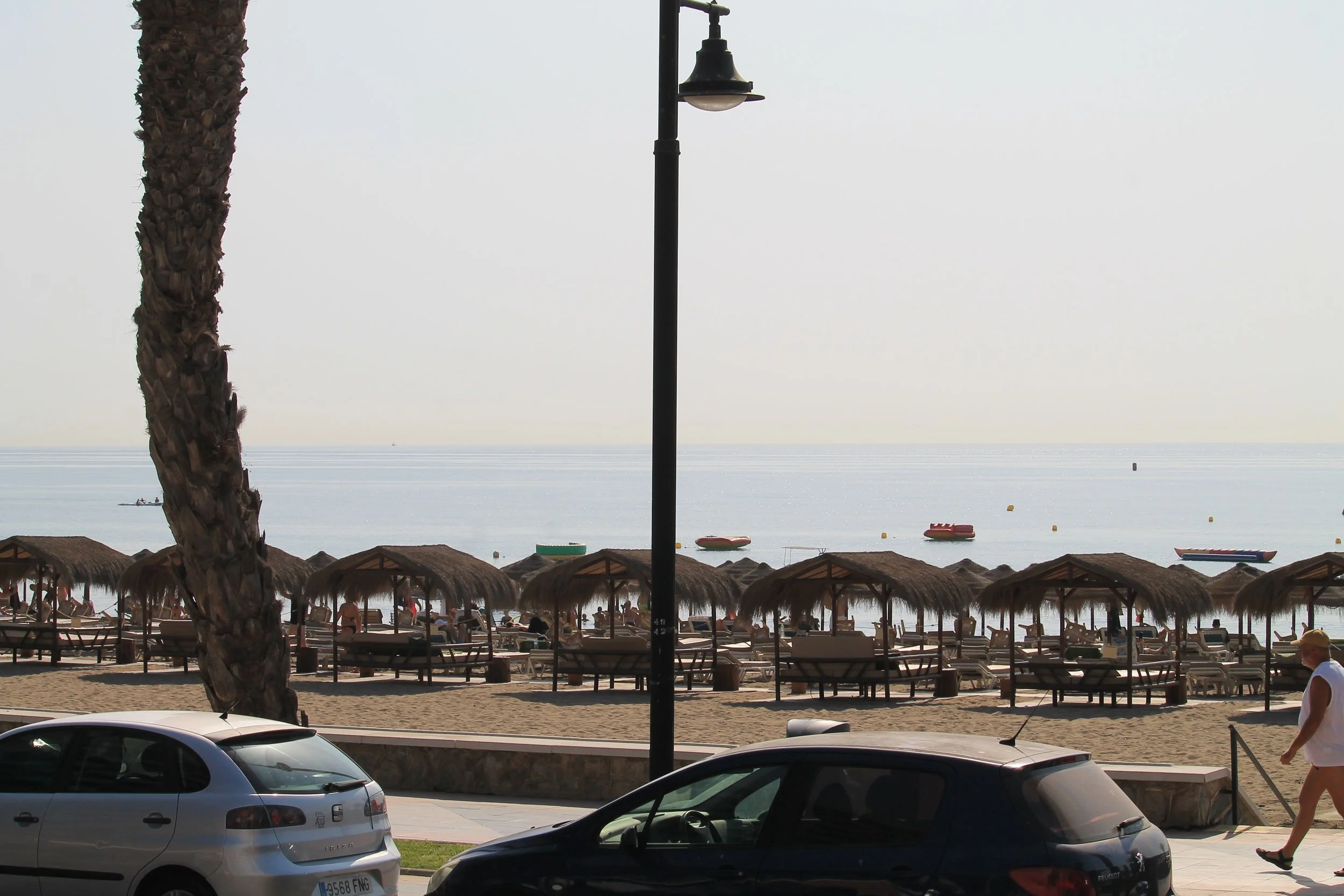
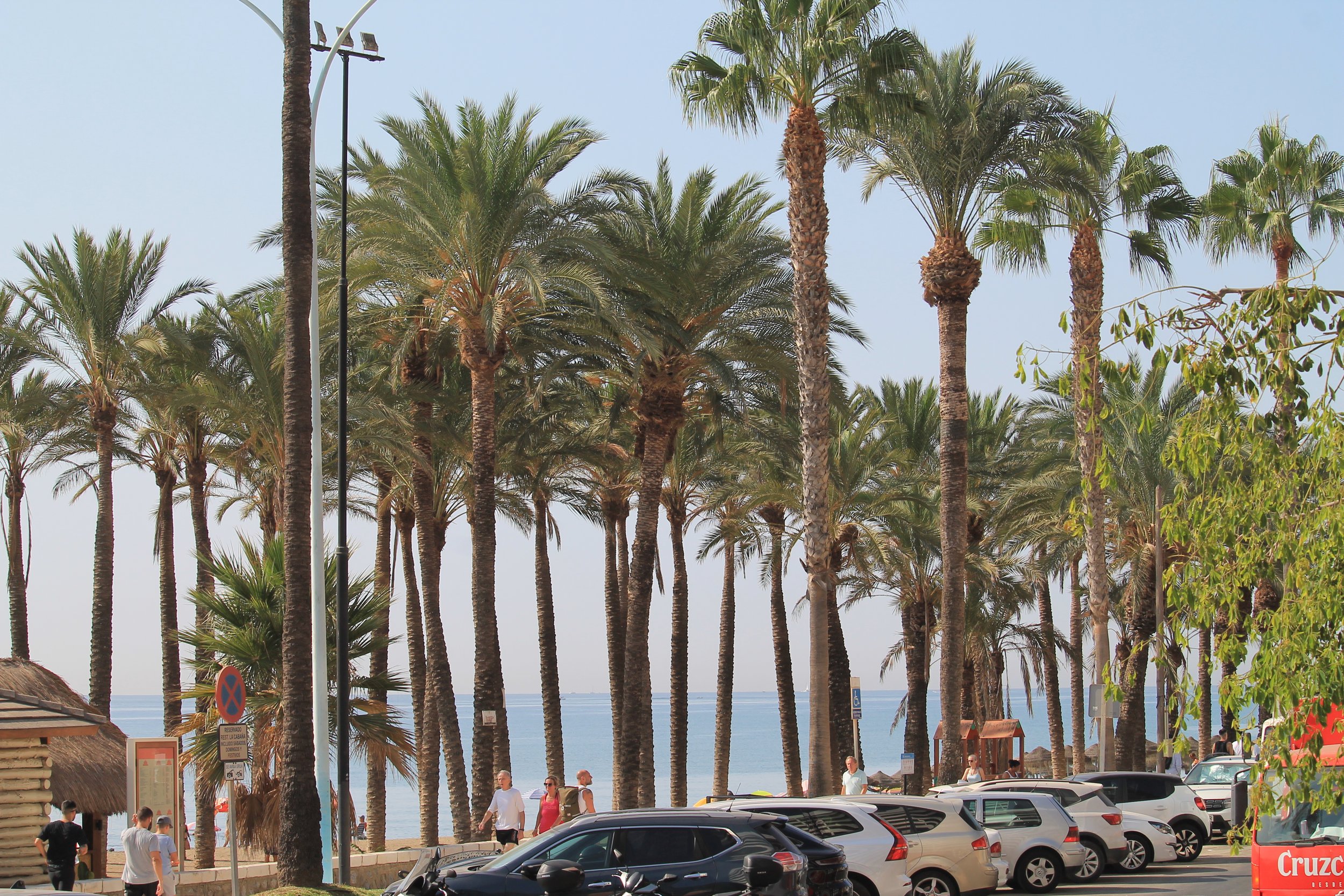
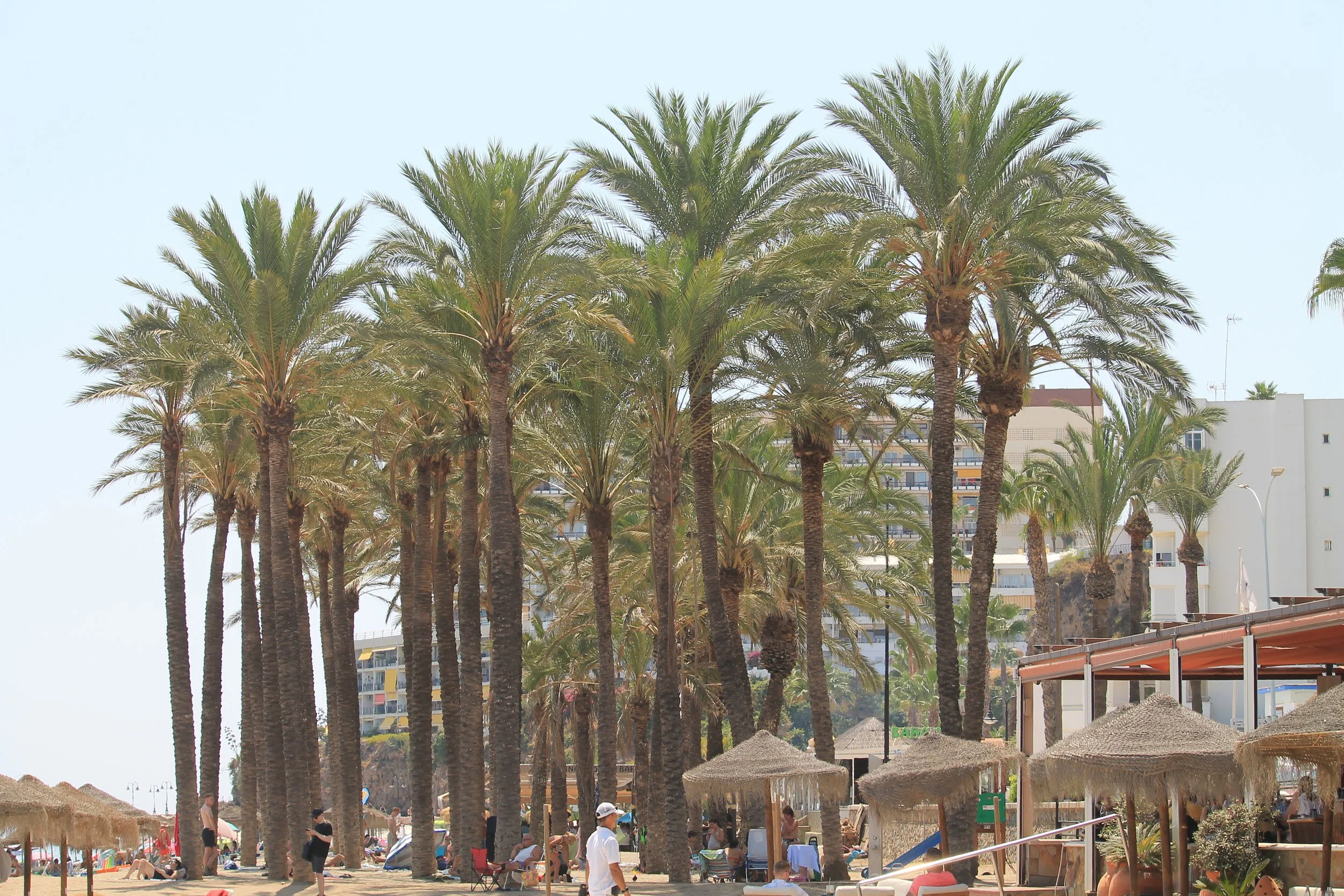
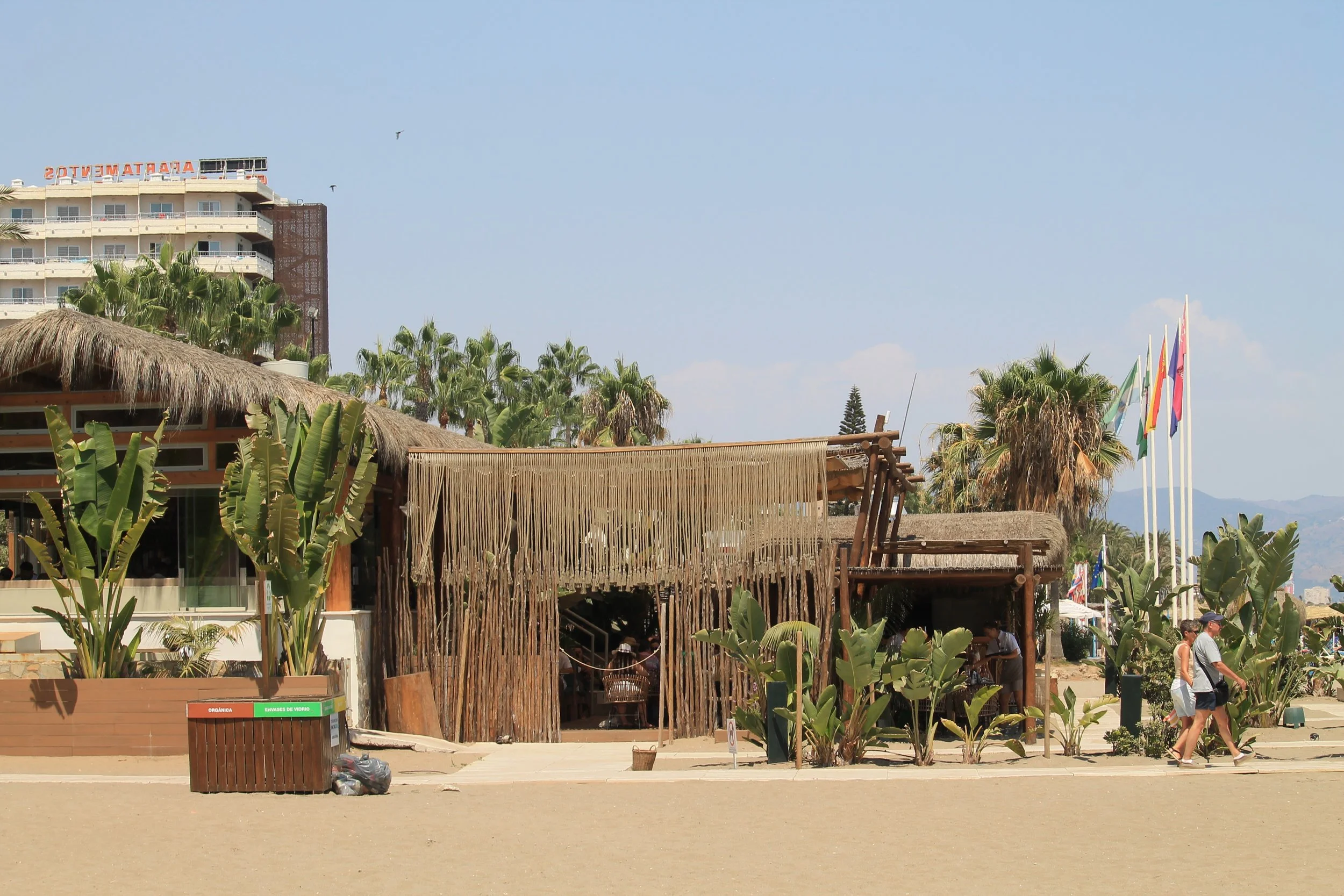
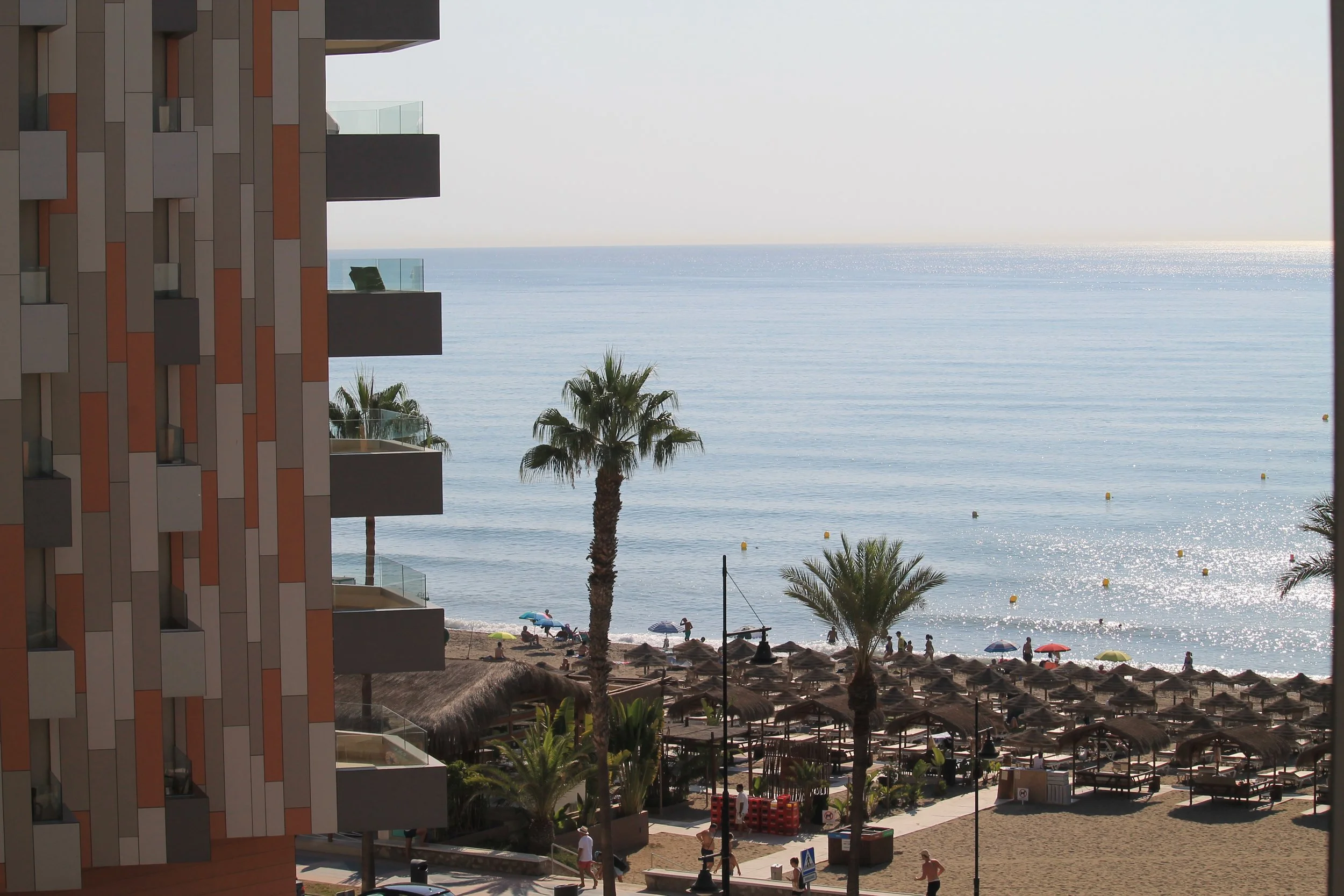
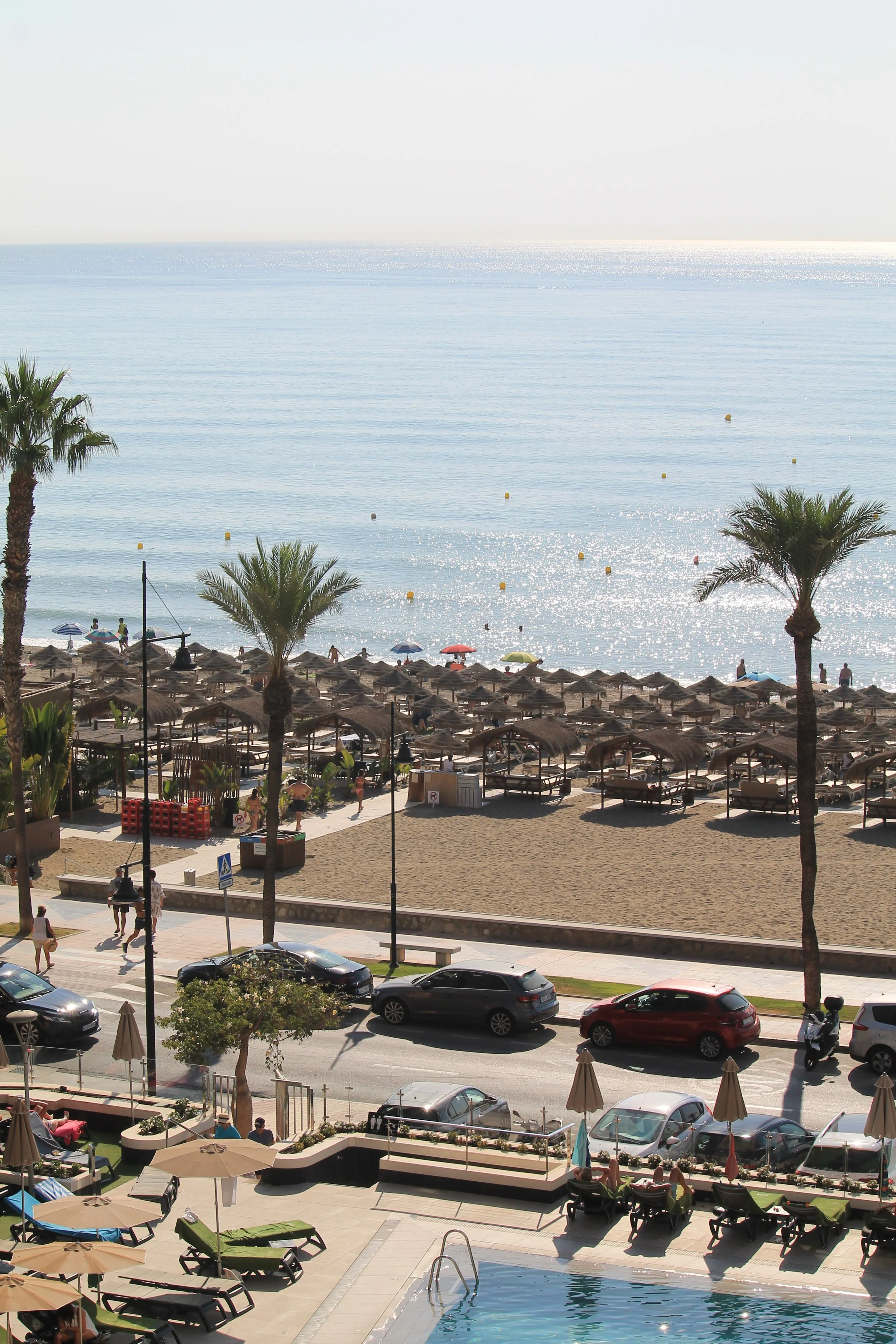
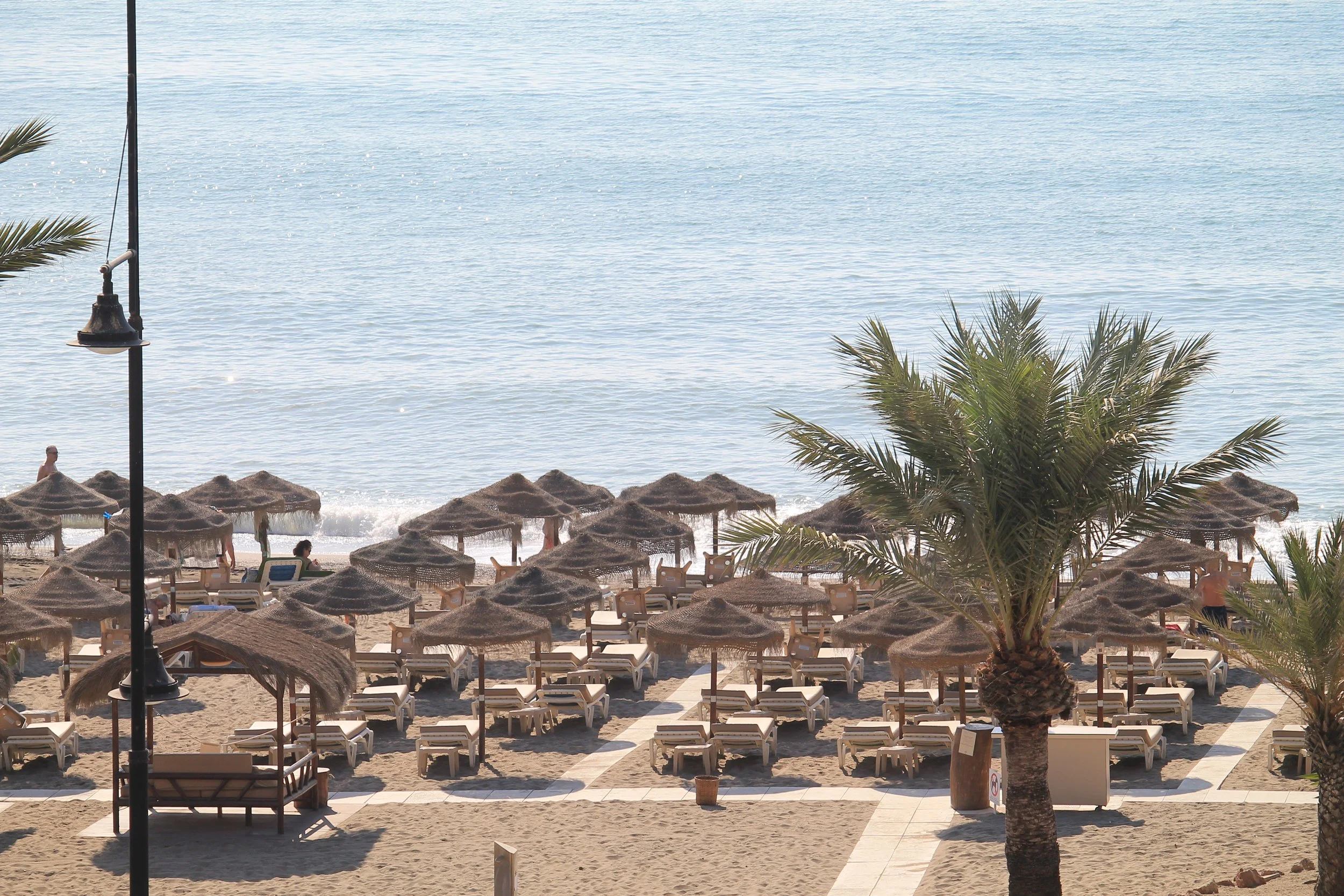
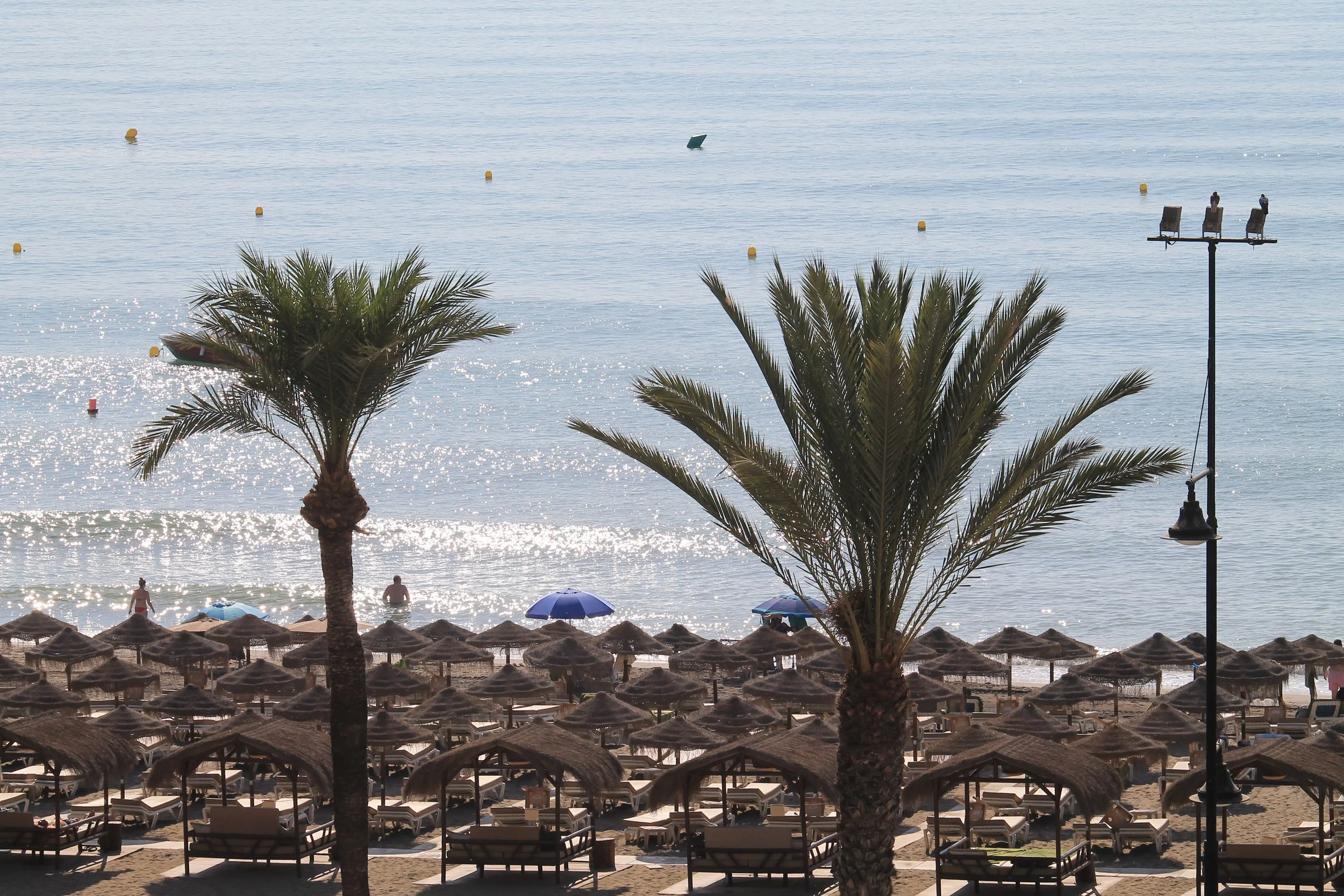
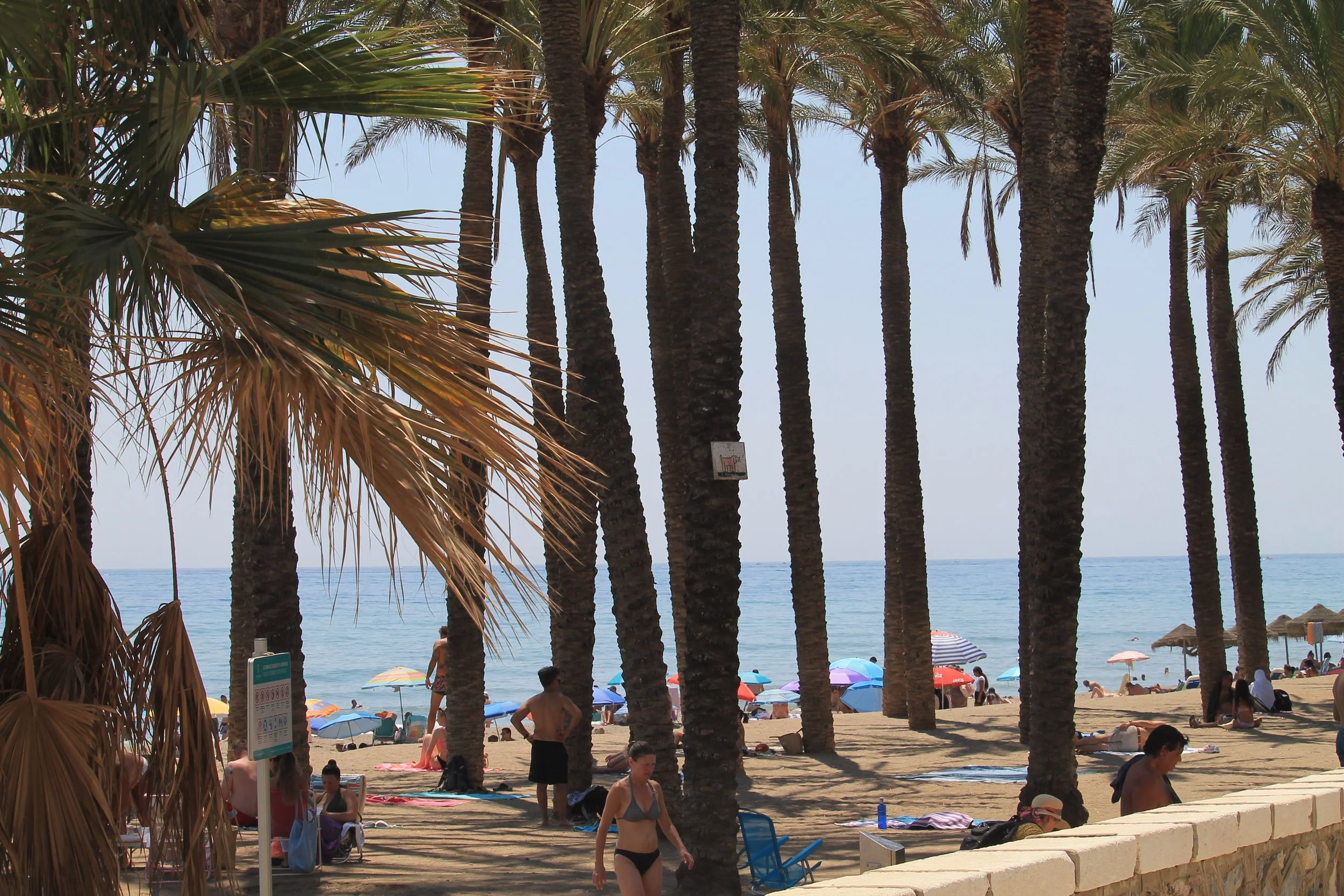
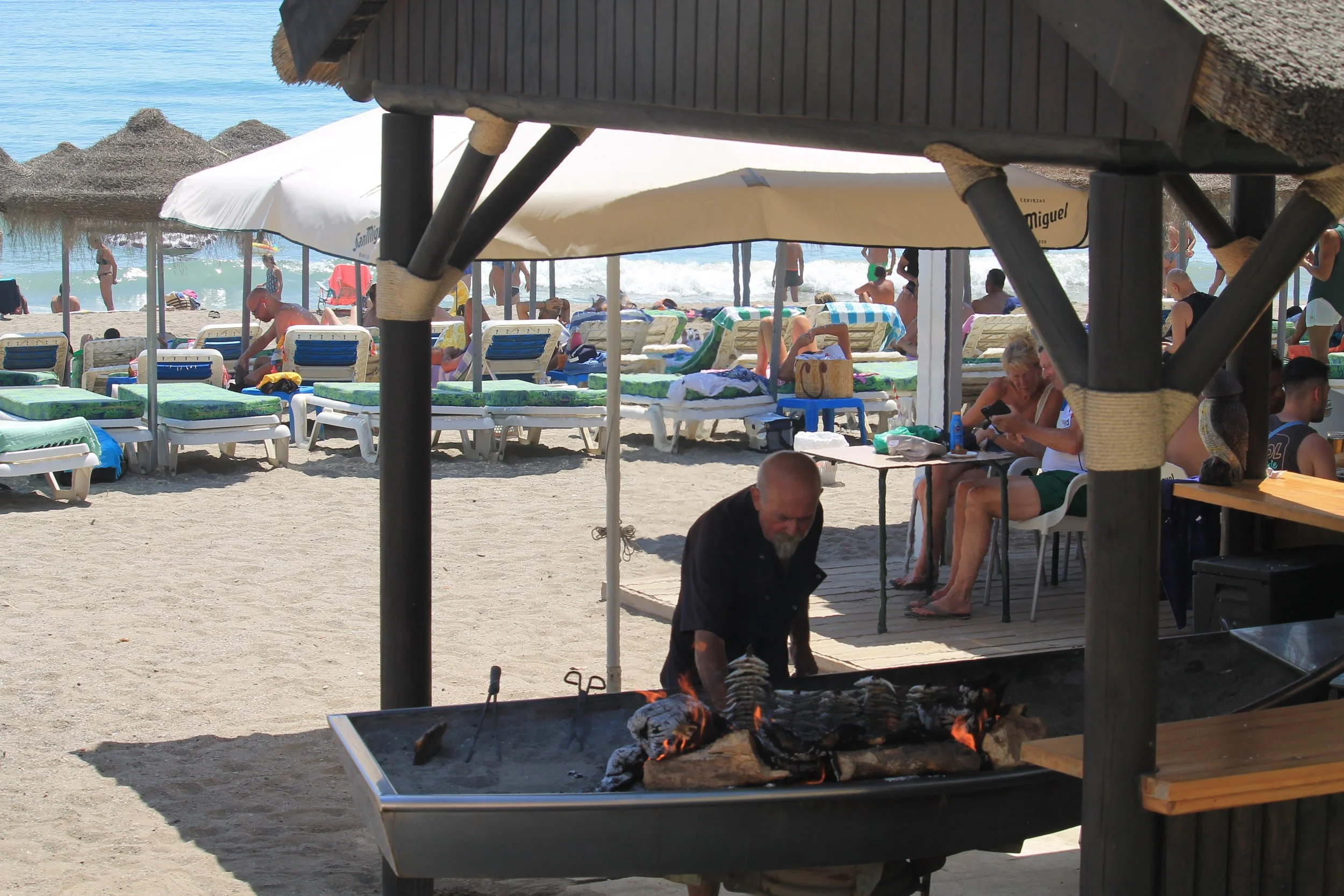
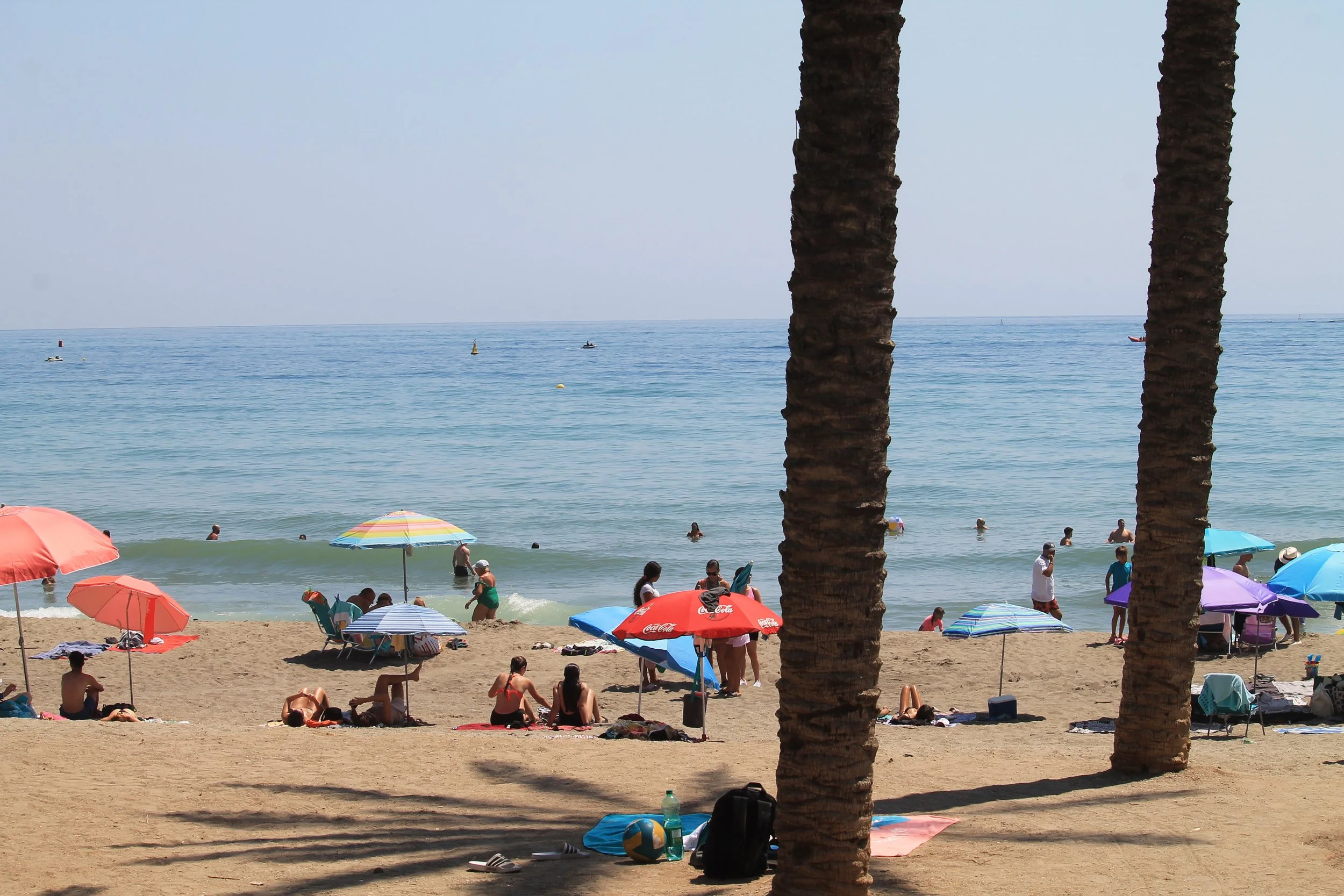
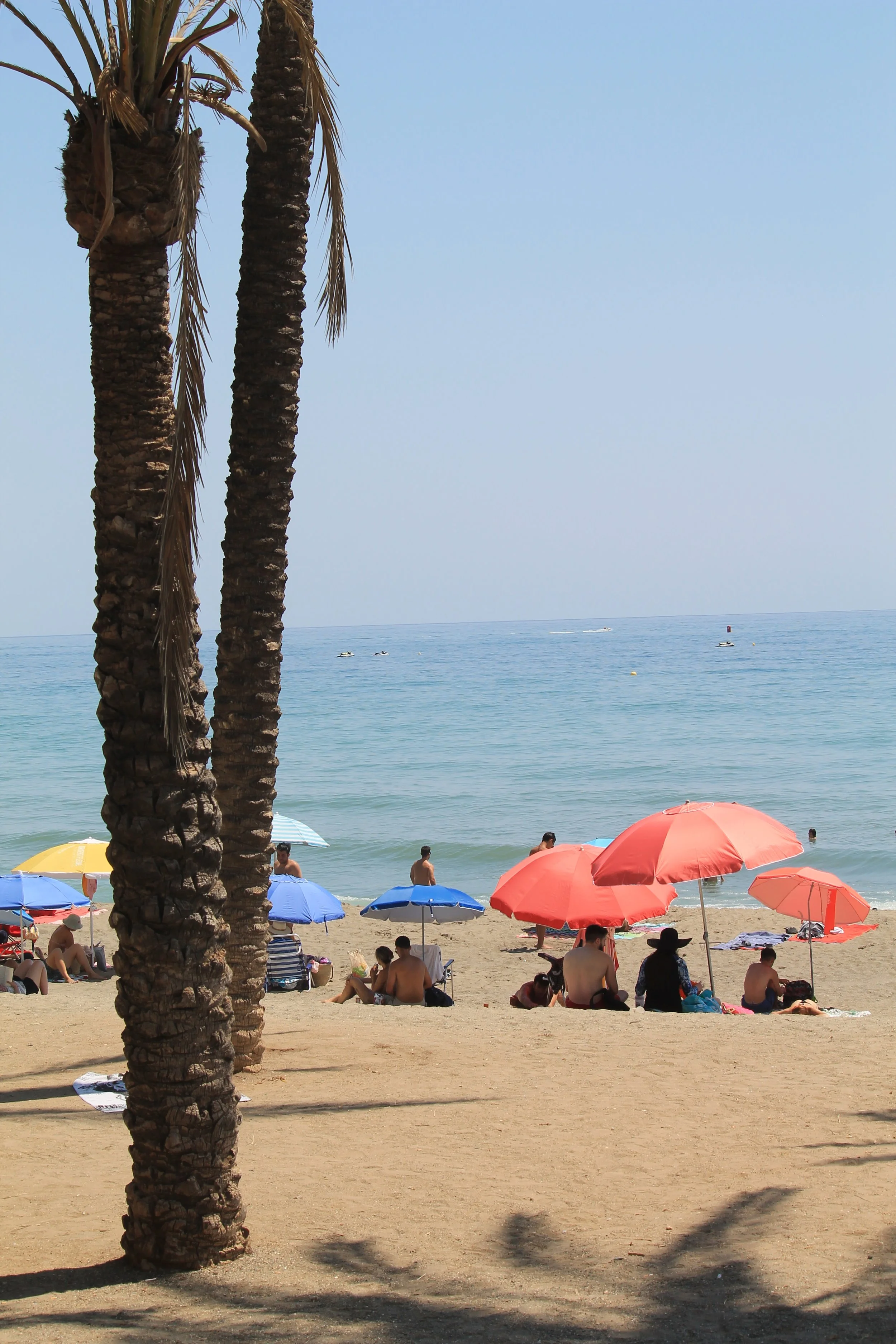
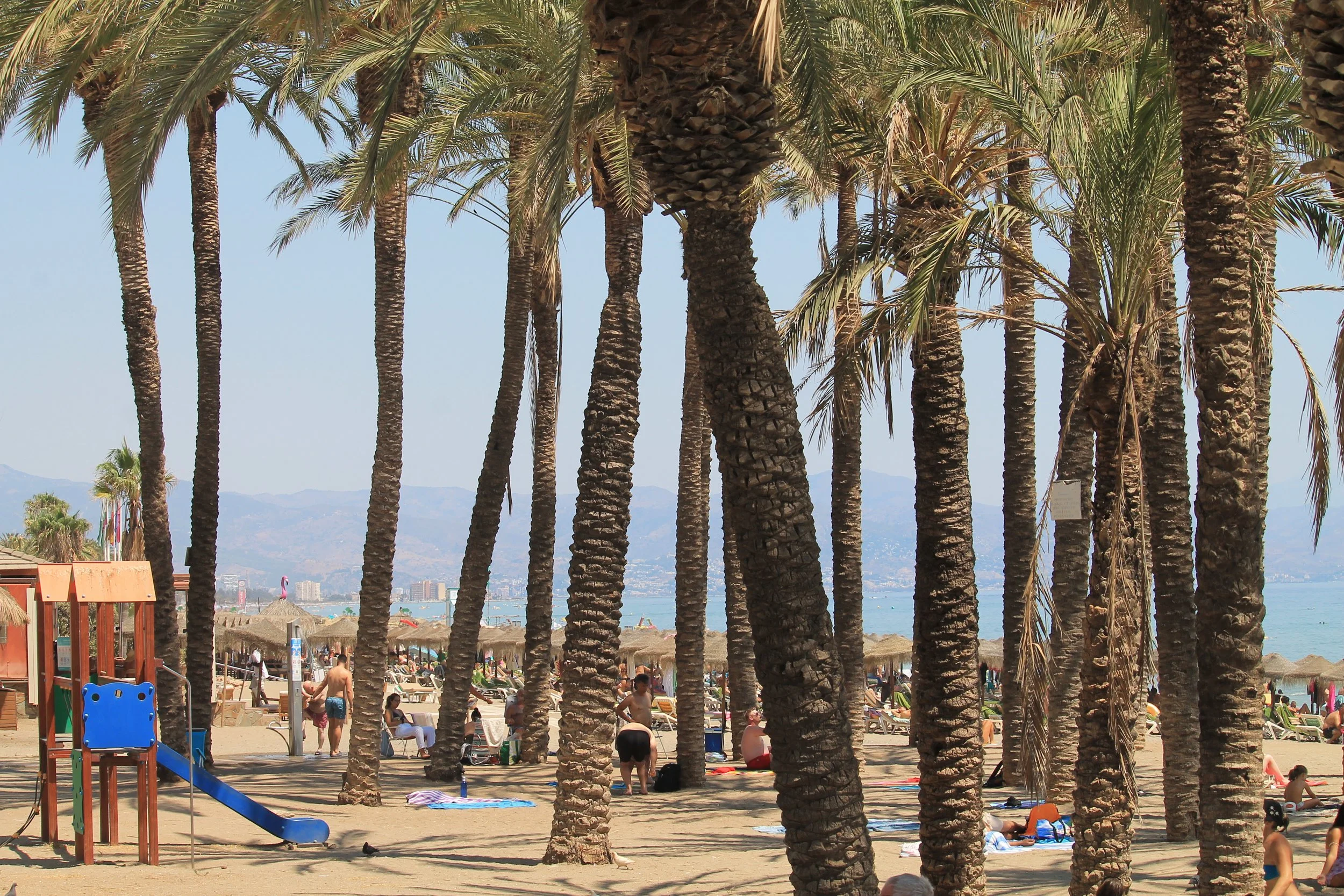
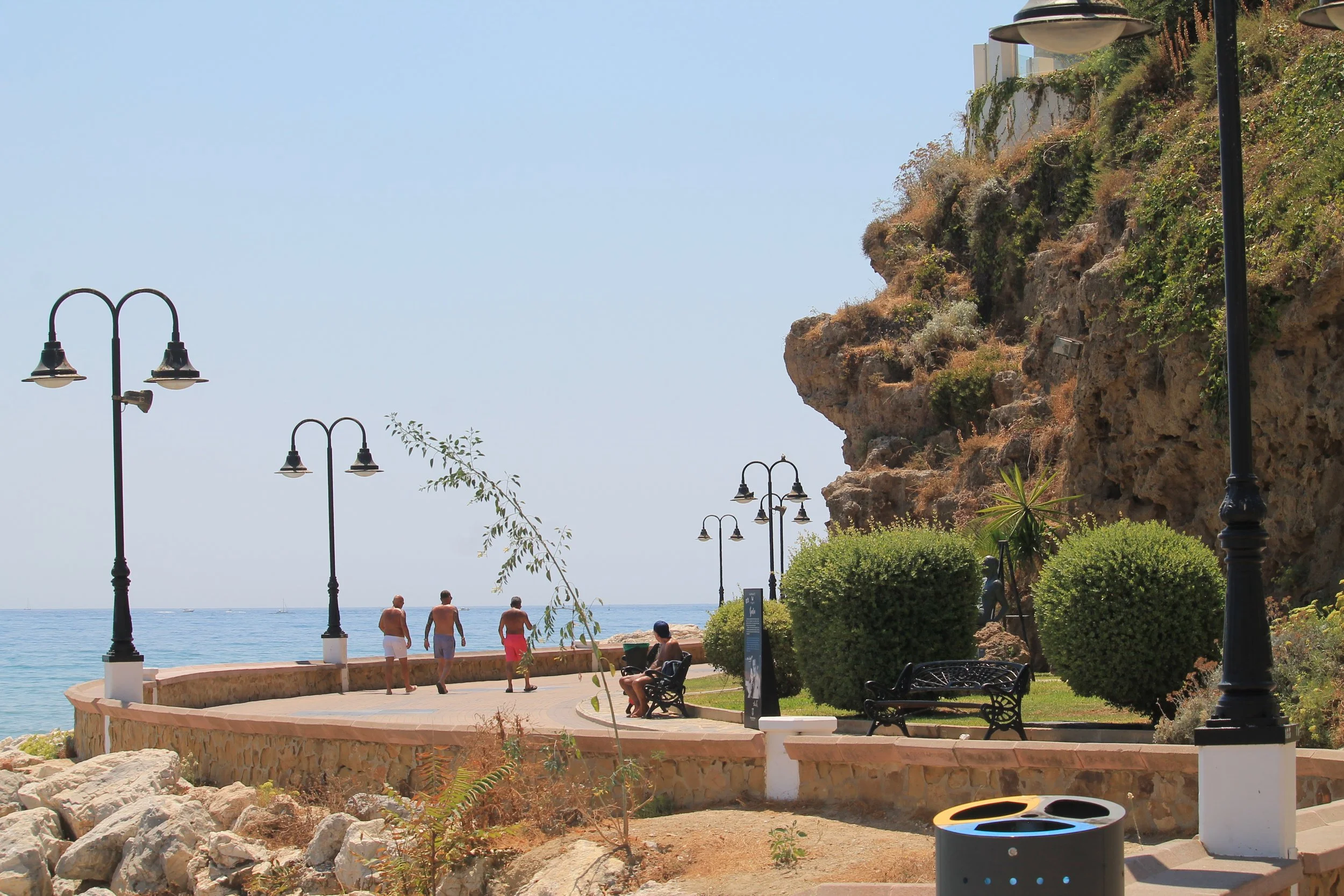
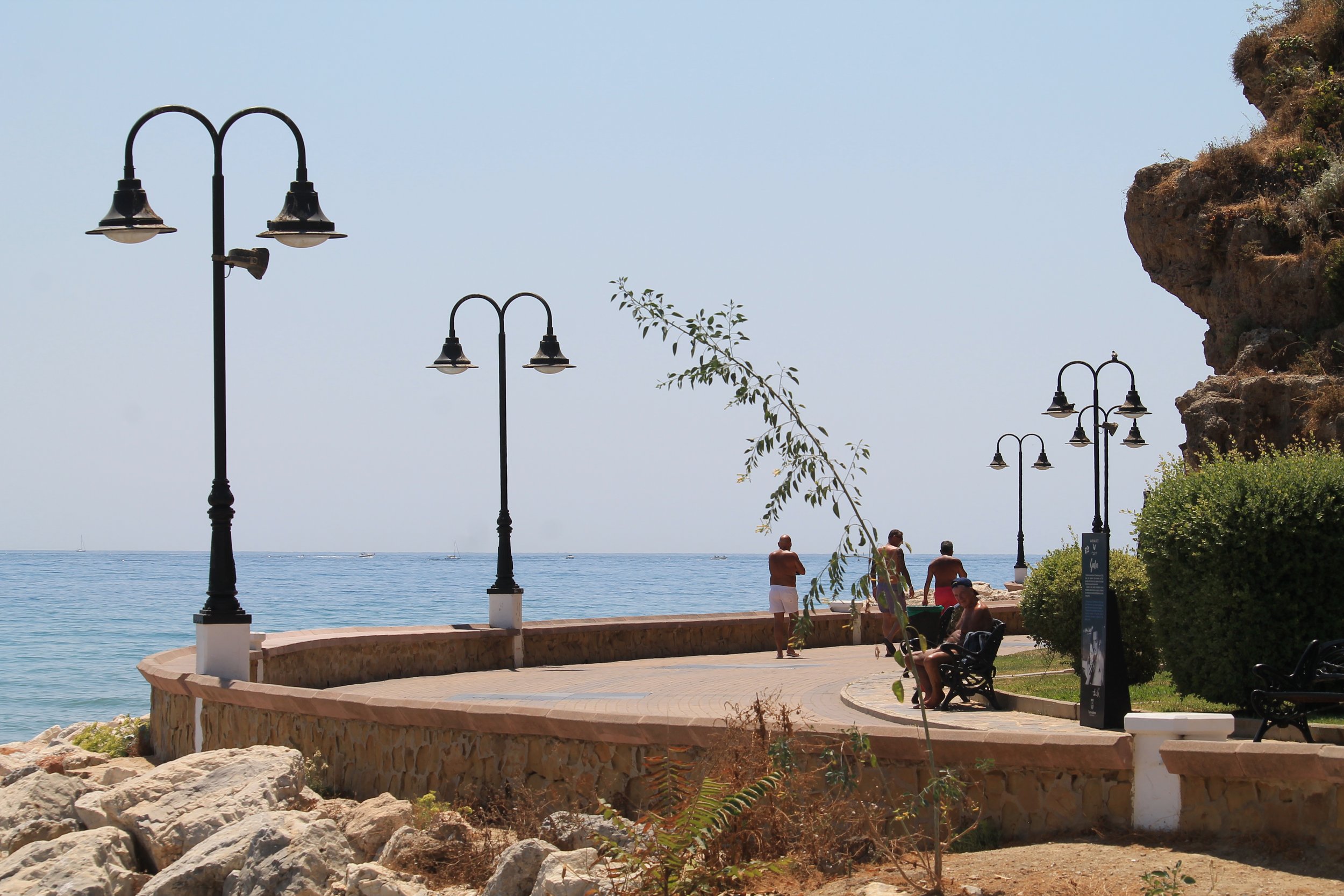
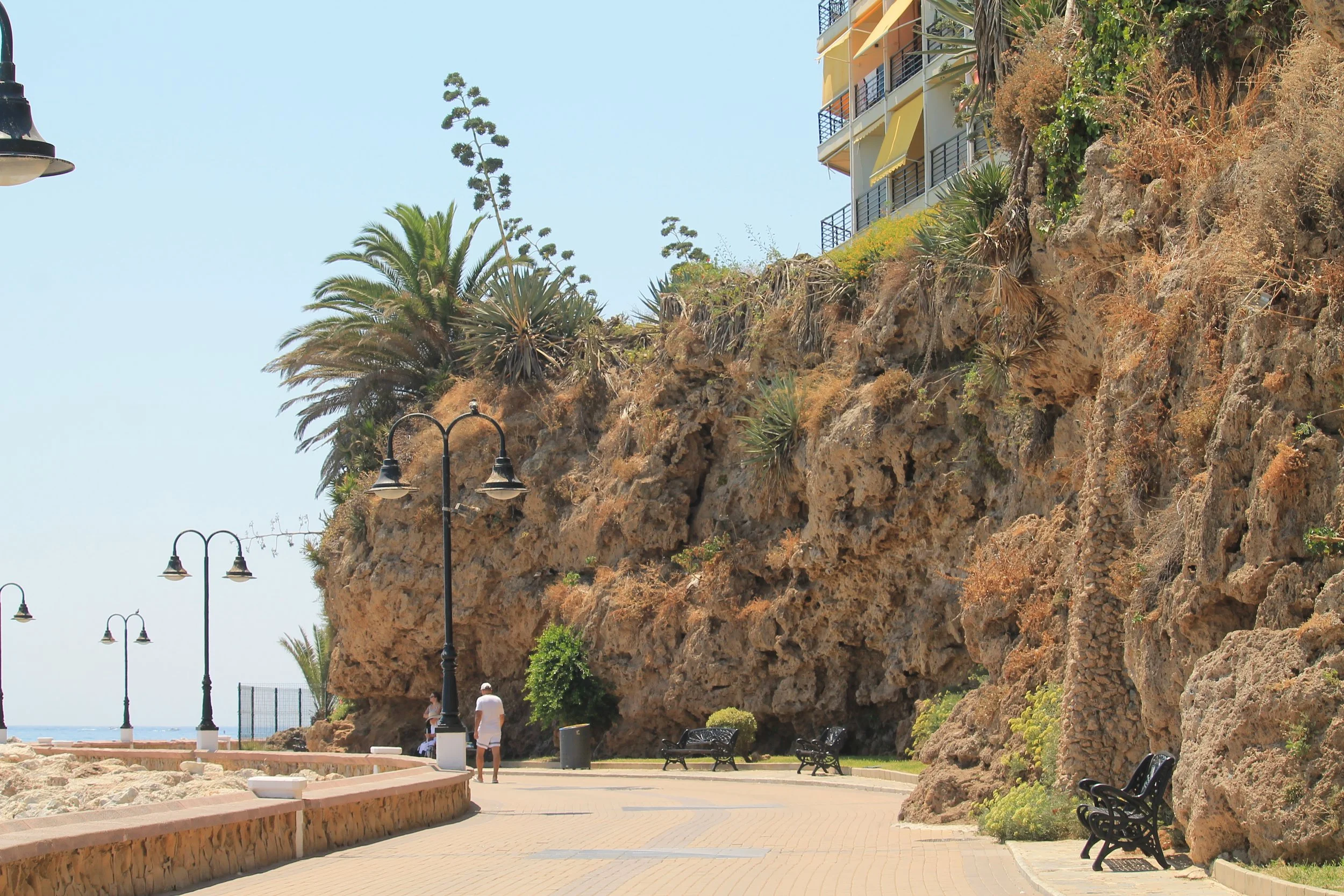
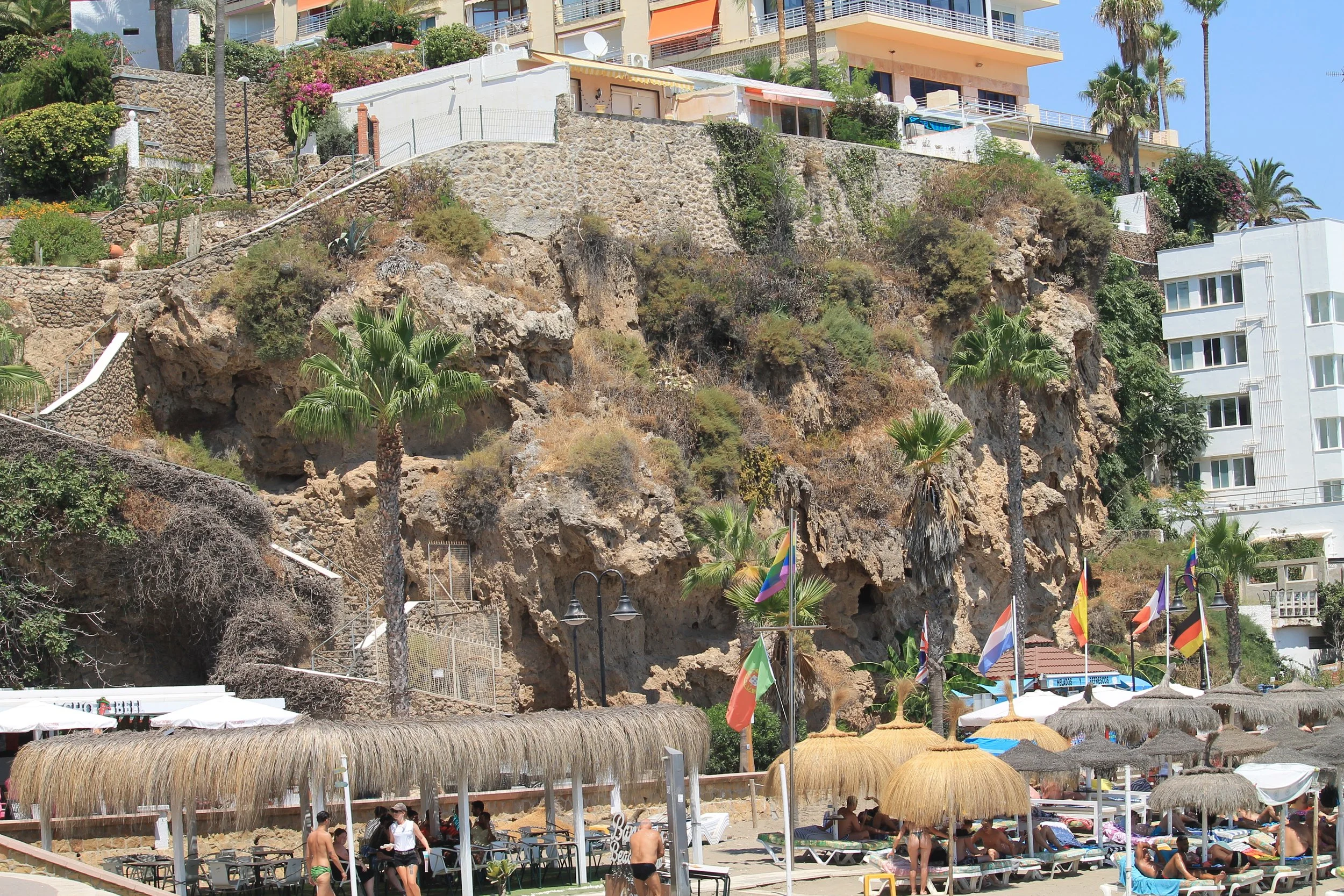
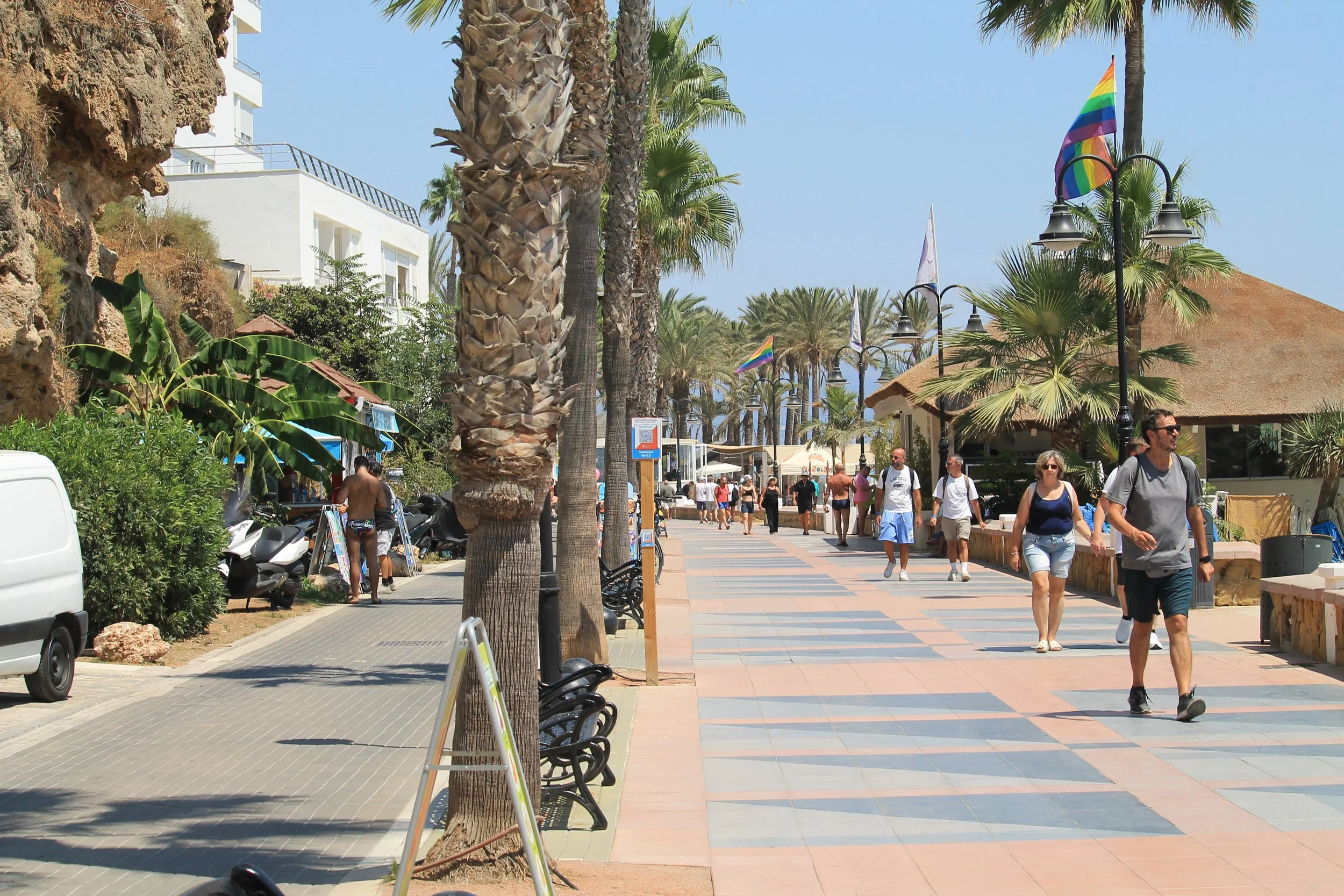
La Carihuela Beach – Once a fishing district, now a lively beach area known for seafood restaurants and long promenades.
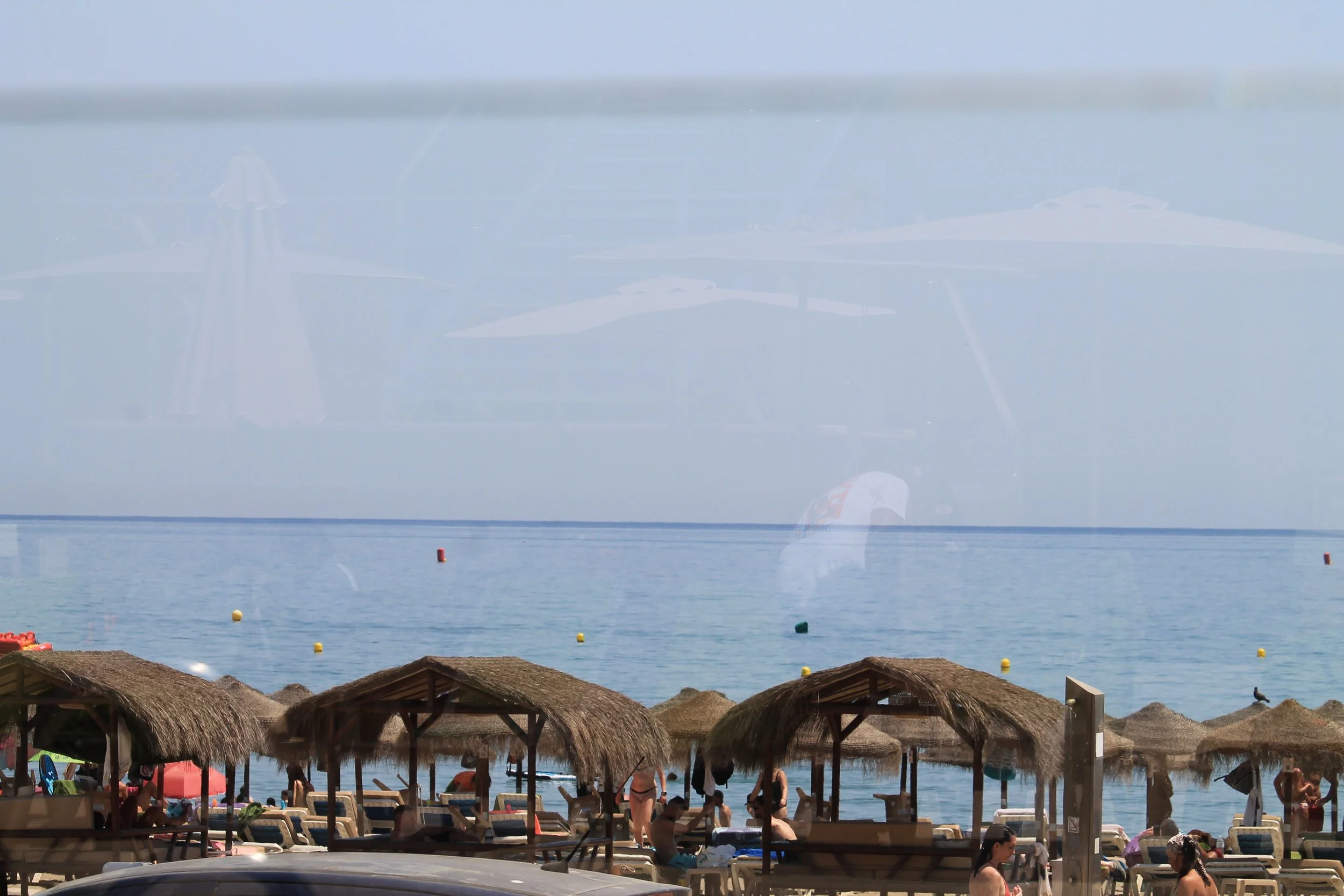
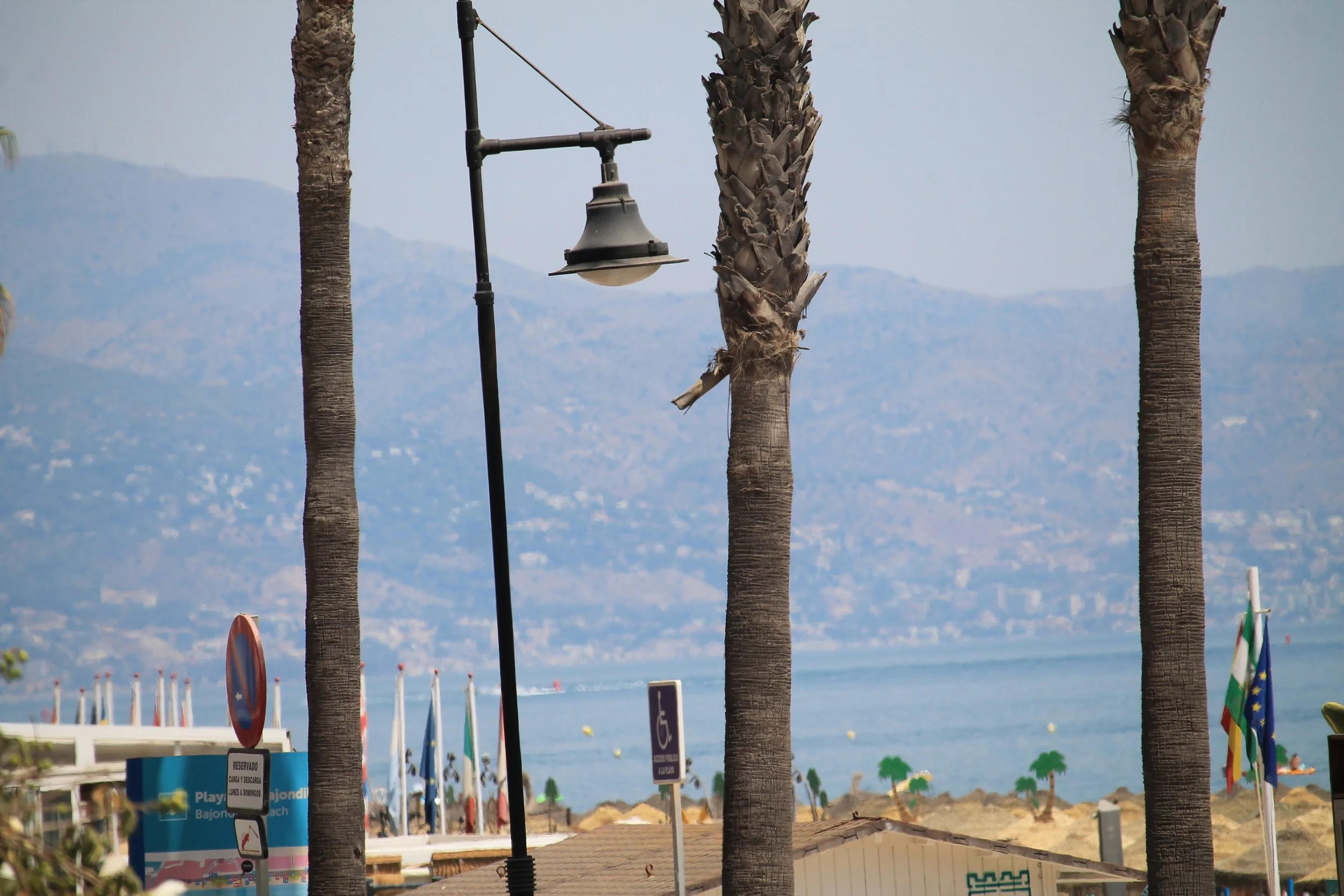
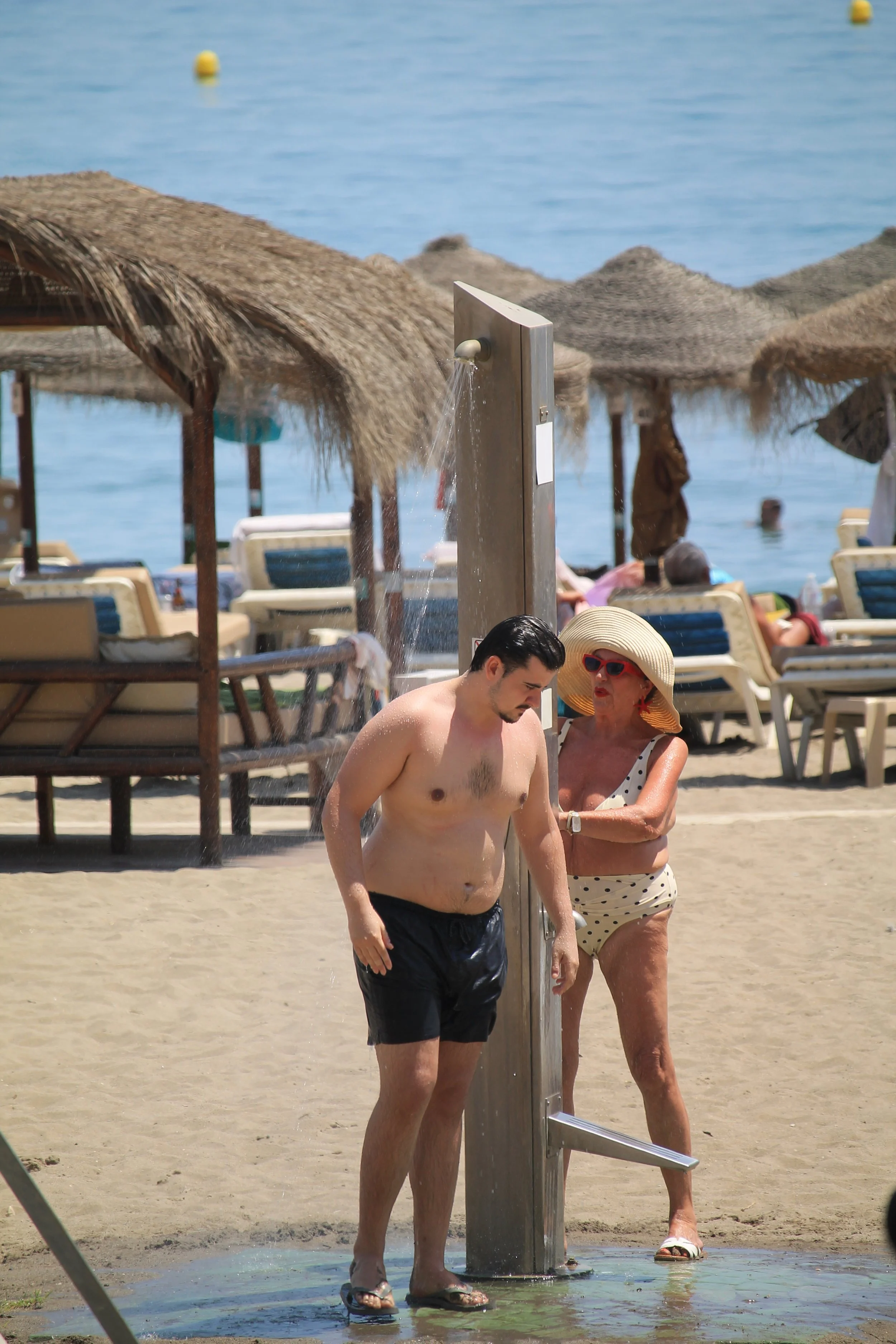
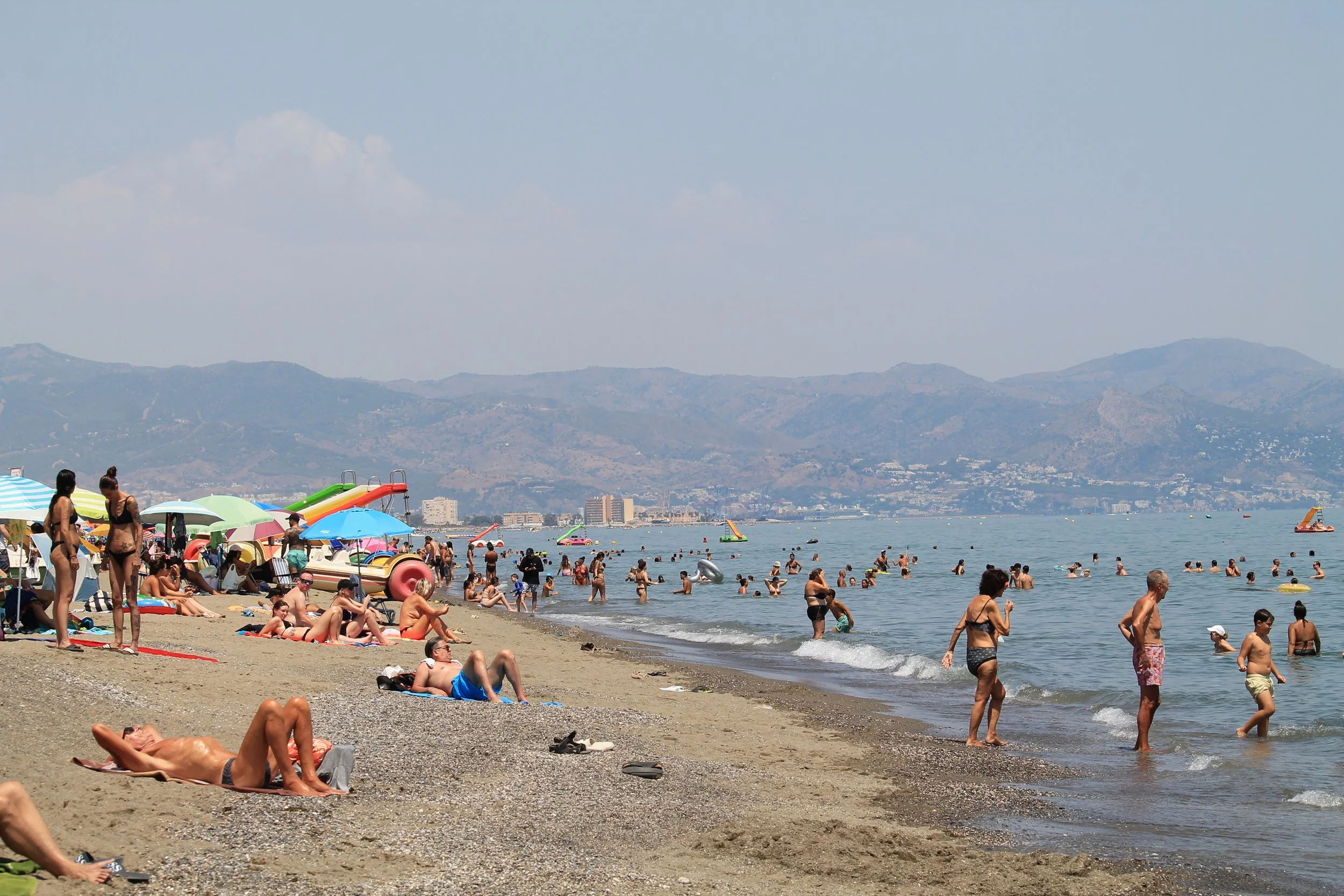
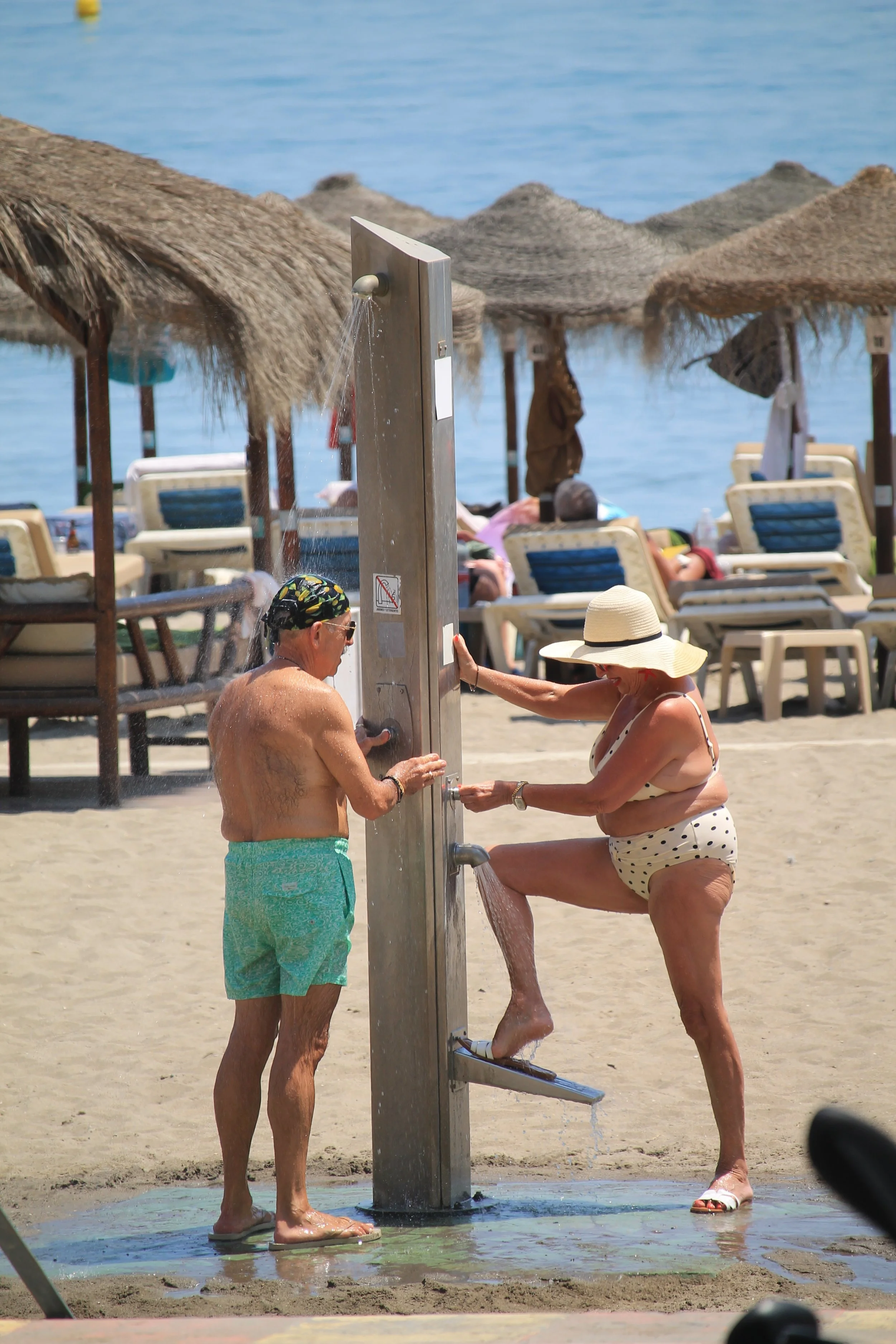
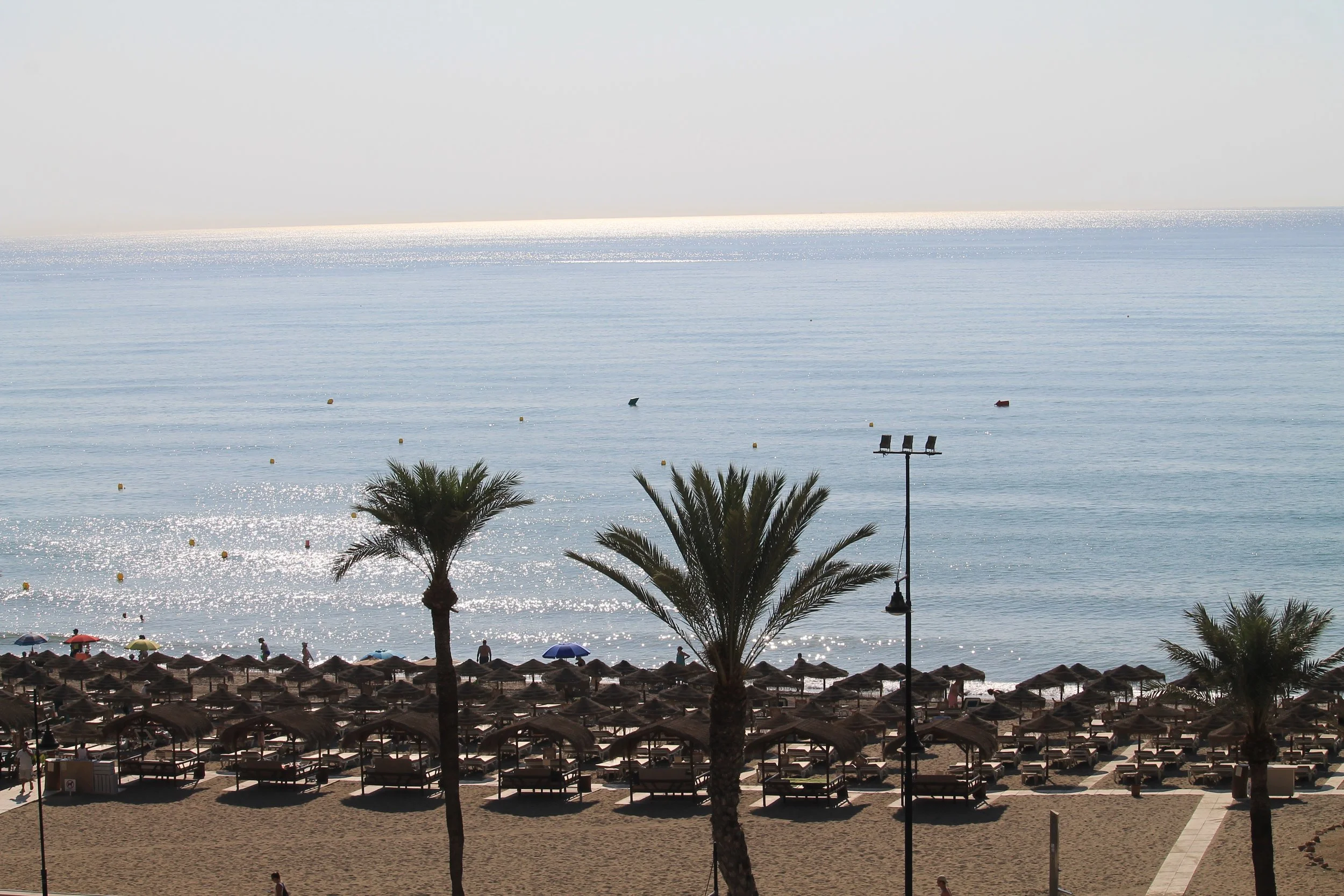
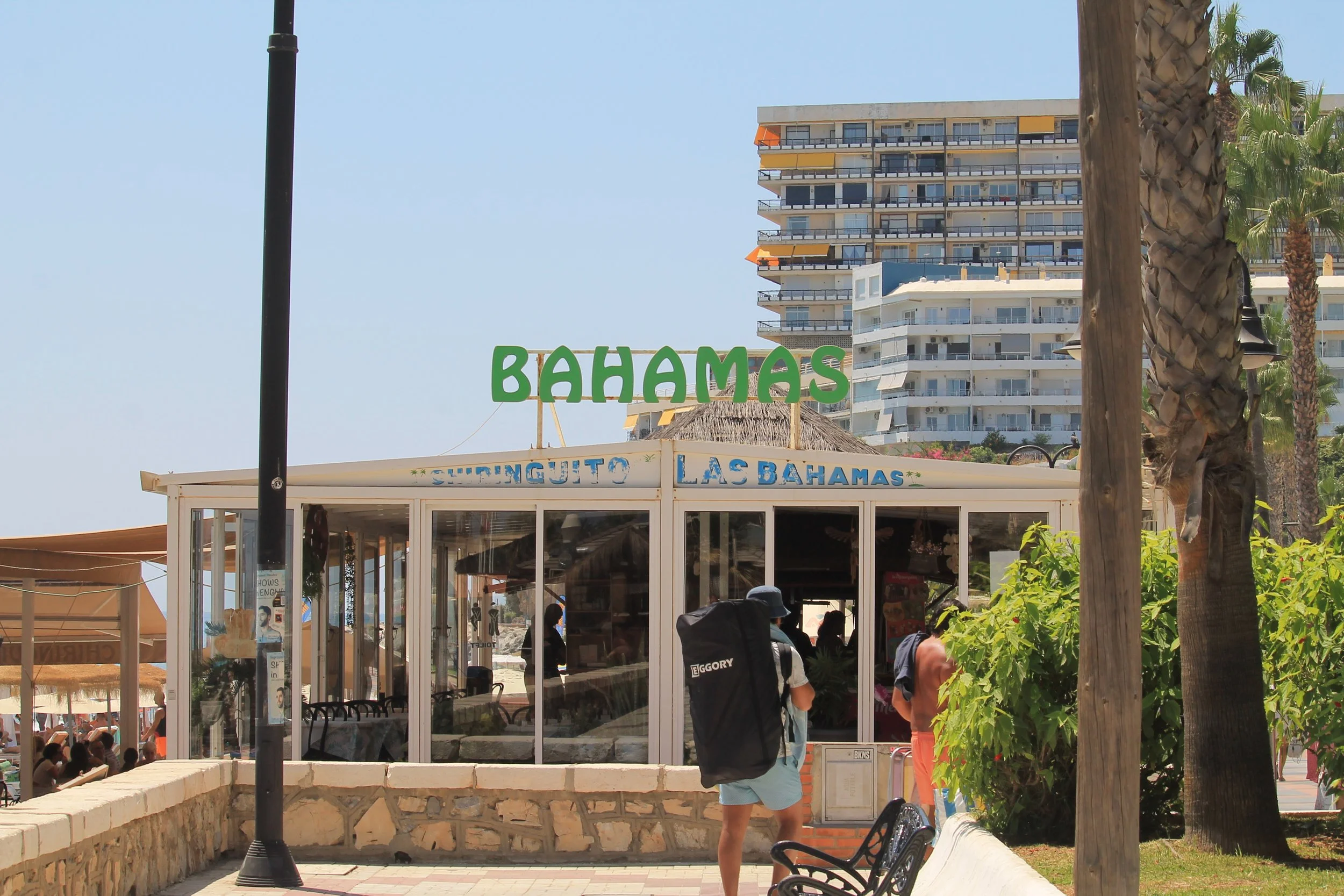
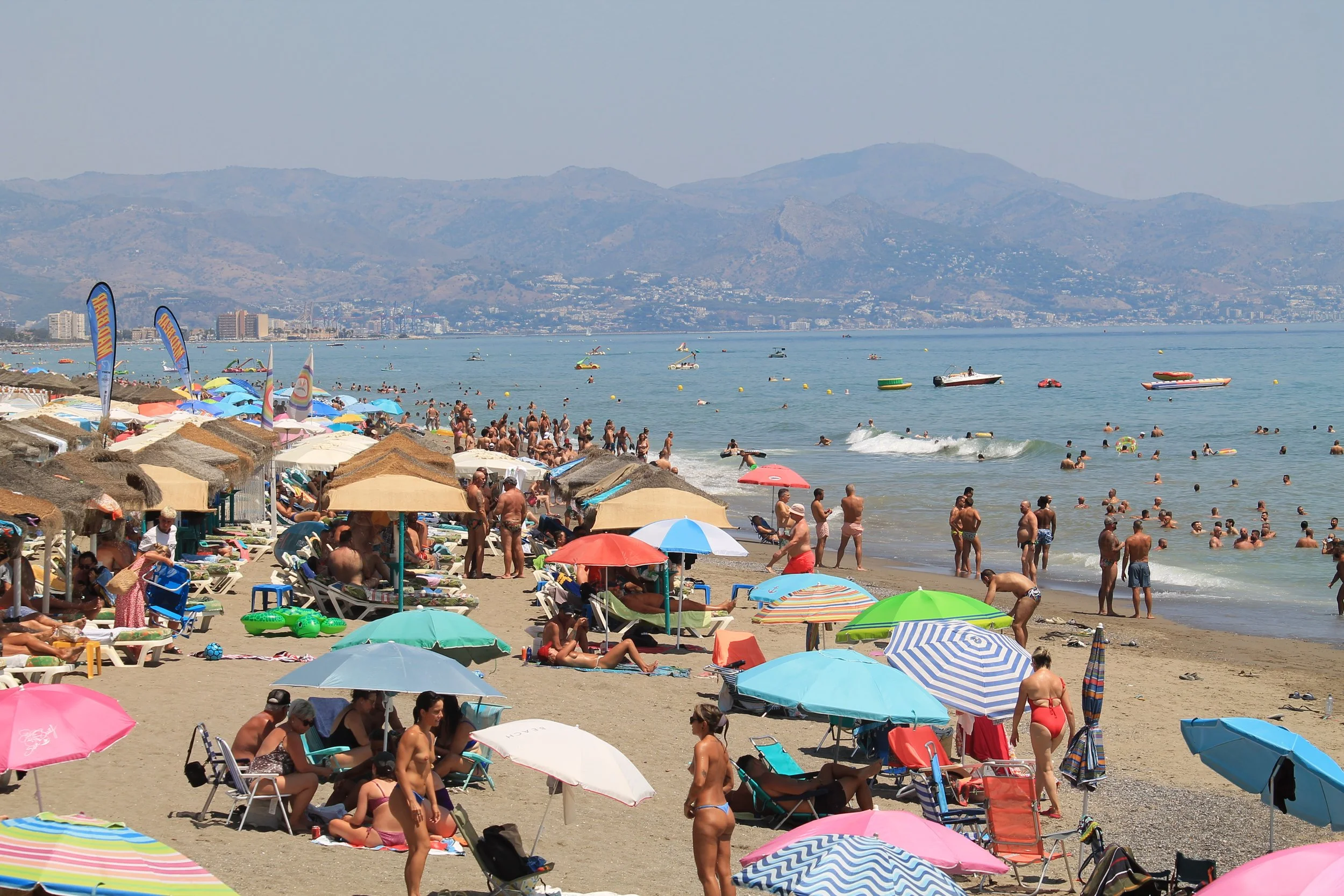
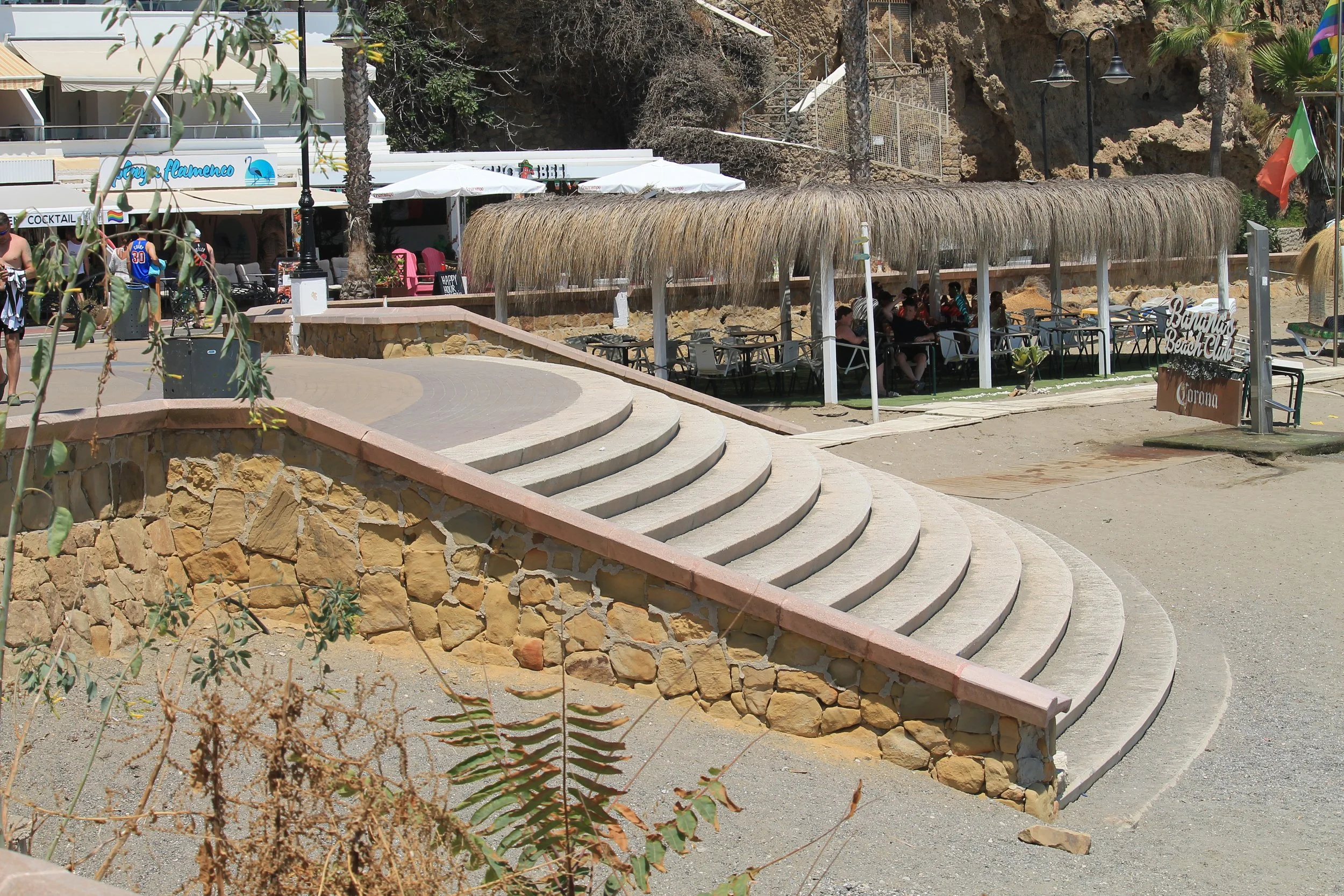
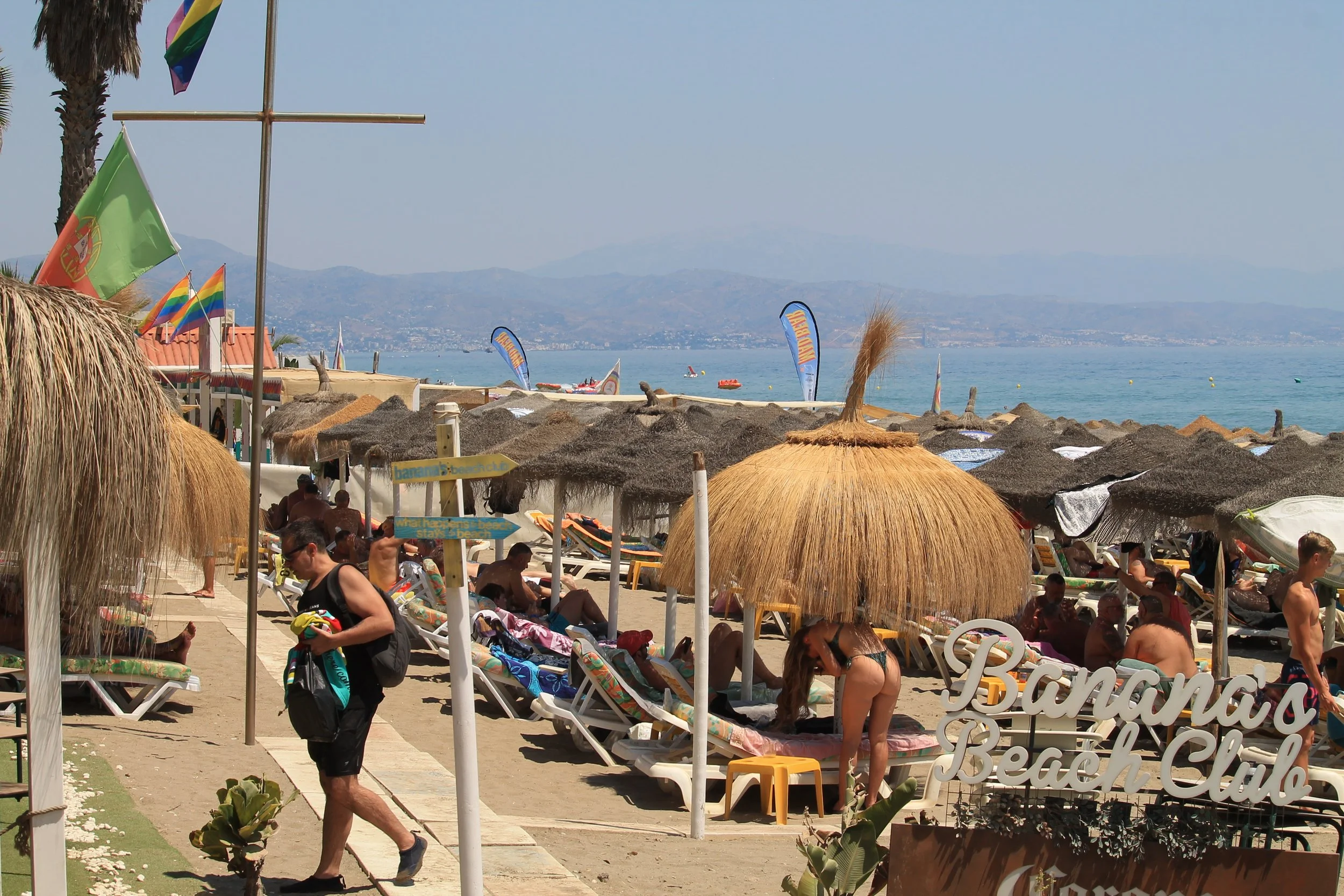
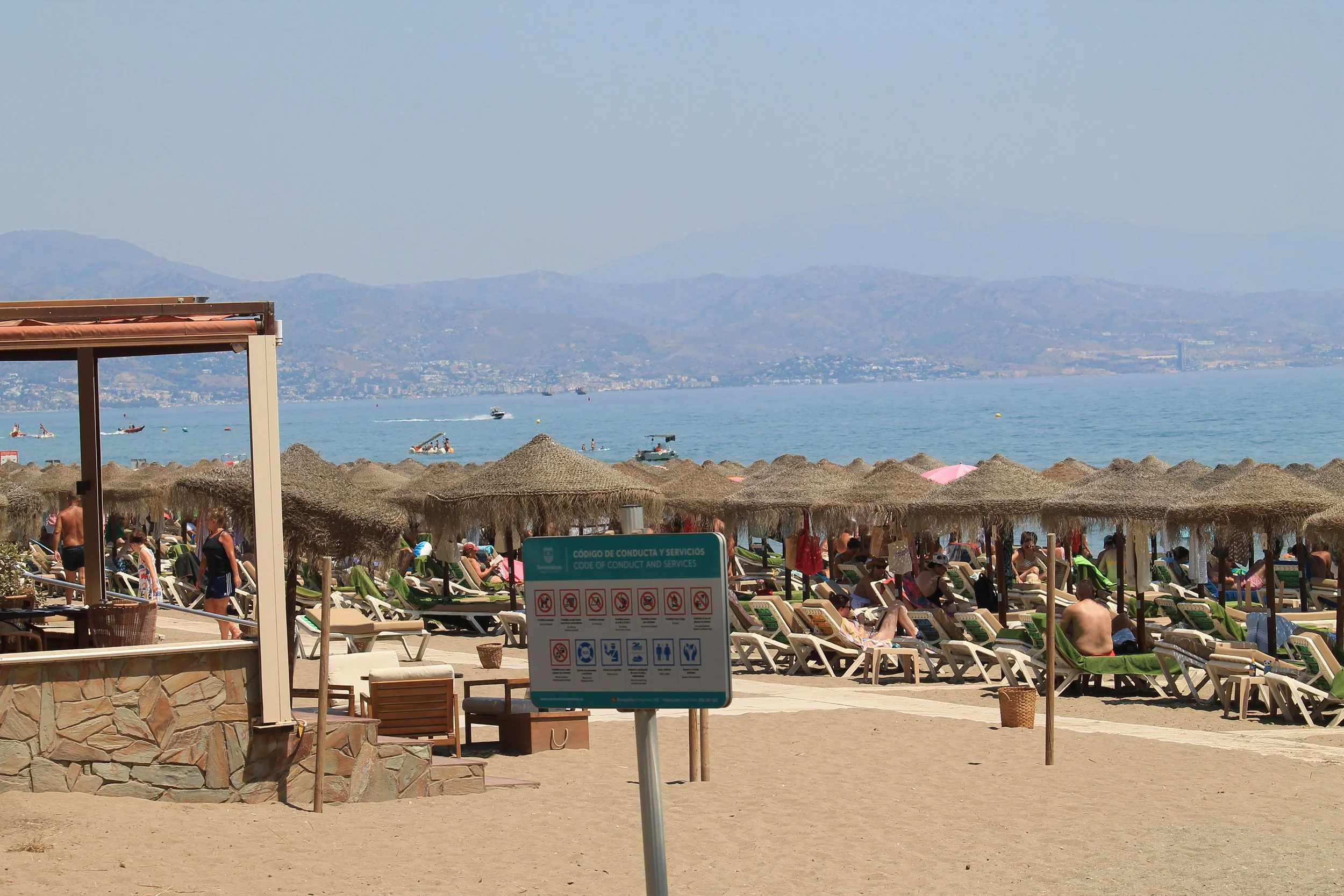
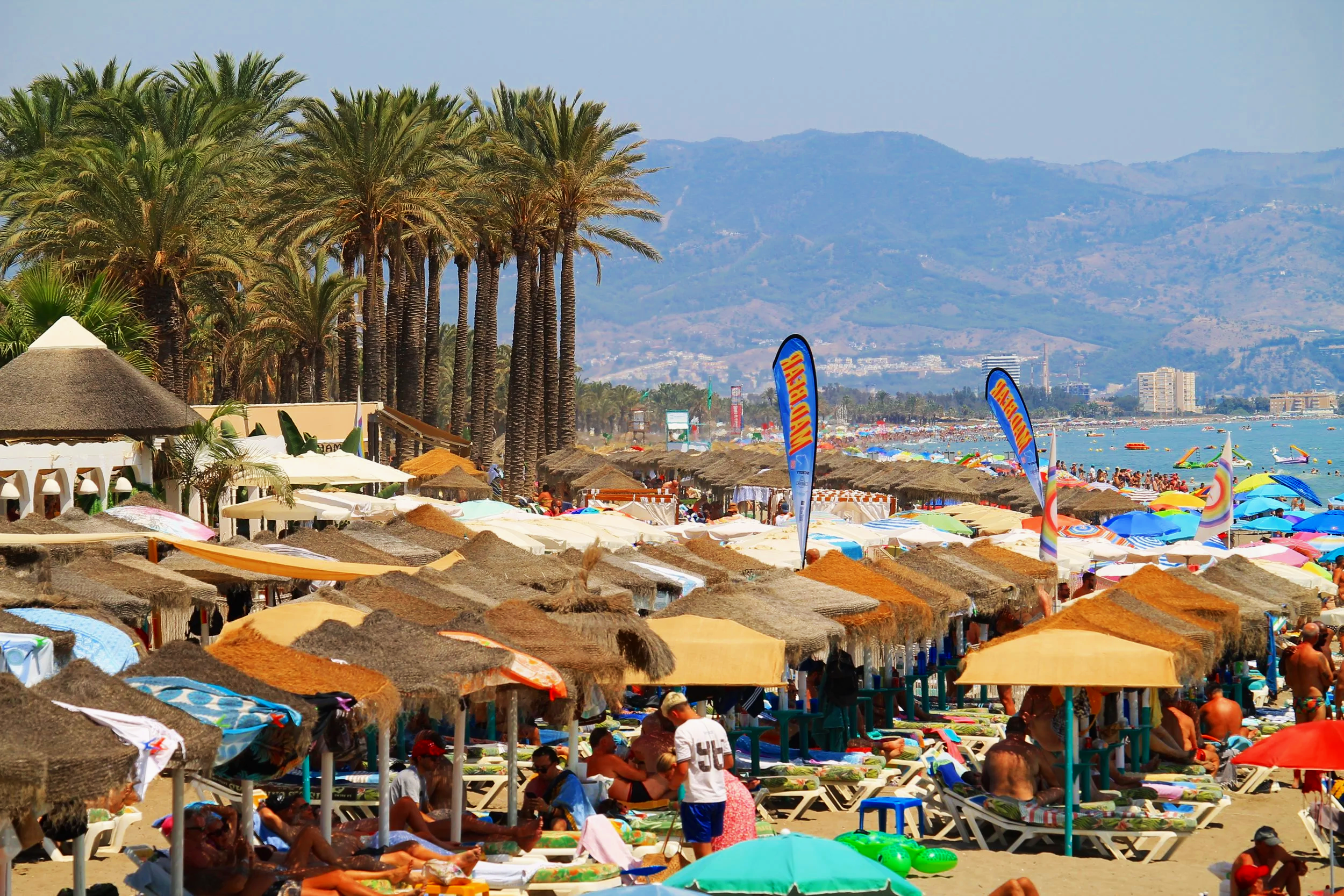
Bajondillo Beach – One of the most popular beaches, with plenty of sunbeds and beach bars.
Casa de los Navajas – A restored neo-Mudéjar style mansion with stunning sea views.
Crocodile Park – Home to hundreds of crocodiles, offering guided tours and unique experiences.
Aqualand Torremolinos – A family-friendly water park with slides and pools.
Jardín Botánico Molino de Inca – A beautiful botanical garden built around a restored flour mill.
Torre de Pimentel – A 14th-century watchtower that is one of the town’s most historic landmarks.